

Read more
October 12th, 2026
Heat Pump Subsidy Cut: What Homeowners Should Know
Written by: Gareth Whitehill
News
Switching to an air source heat pump (ASHP) is a fantastic way to live more sustainably while also lowering your home’s energy bills.
With rising electricity costs and a bigger focus on moving away from fossil fuels to protect the planet, more homeowners are considering this as an alternative to traditional heating systems. But what exactly does installing an ASHP involve?
In this blog post, we’ll walk you through the entire process, from the initial site survey to the final post-installation steps, so you know what you can expect.
Key Takeaways
The process for installing a heat pump varies depending on the type of heat pump you want.
Generally, installing an air source model is quicker and easier than a ground source heat pump installation. That being said, whether you want one to improve your central heating or support your traditional boiler, there are three key phases that will be found in any project:
Let’s take a look at each in a little more detail.
Before the installation begins, your heat pump installer will carry out a thorough site survey to figure out if your home is suitable.
This involves heat loss calculations to figure out the right size and type of heat pump for your property.
The size of your home, the quality of insulation, and your specific heating needs are all taken into account.
Your installer will then design a system tailored to your home, specifying what you’ll need, including:
This pre-installation phase makes sure the system is designed to be as efficient and effective in your specific property as possible.
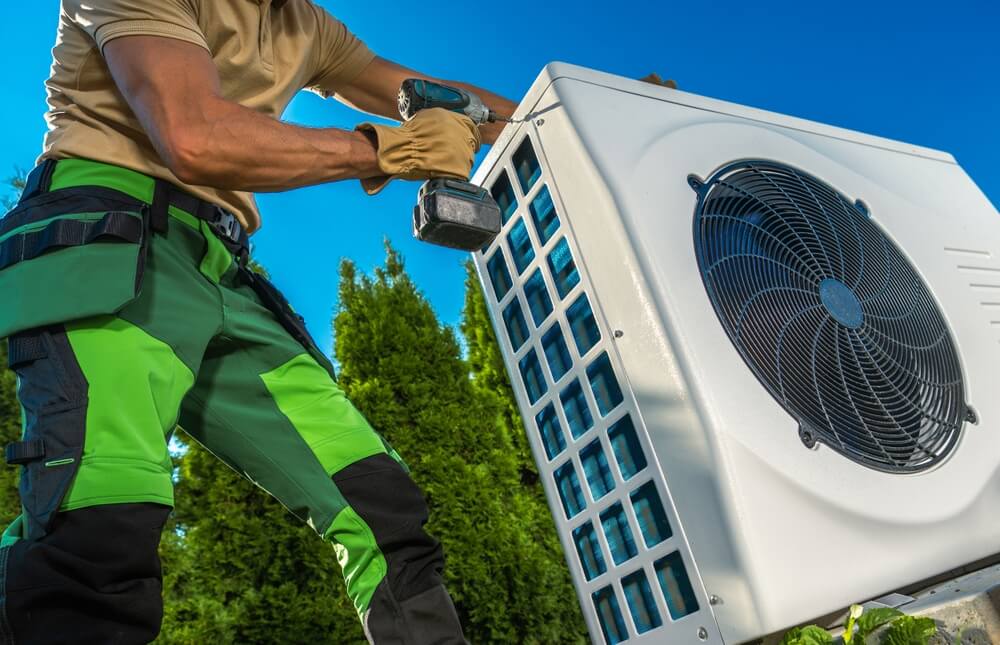
The installation of an air source heat pump involves several steps. Let’s break them down so you can get a better idea of what to expect.
The outdoor unit can be installed on a base or on a wall bracket, and is connected to your home’s heating pipes.
The indoor part of the system includes:
These units are interconnected through refrigerant lines and electrical wiring, which can sometimes involve drilling through walls.
During this stage, your heat pump installer will make sure everything is connected properly, from the outdoor unit to the indoor heating elements so that you can enjoy seamless heating throughout your entire home from the get-go.
Once the installation is complete, your new heat pump system is thoroughly tested to make sure it meets the highest standards. Your installer will also walk you through the air source heating system, explaining how to use the controls and thermostats.
While air source heat pumps need only low maintenance, it’s important to keep the filters and fans clean to make sure the system stays efficient.
Your installer may offer a maintenance package to help with this, but regular check-ups can be enough to keep your heat pump working well. Done properly, air source heat pumps can often last over 20 years.
Are you interested in booking your own heat pump installation?
While it might be tempting to DIY your installation to save money, this process is complex and needs expertise that can only come from a trained professional.
Certified installers, like those accredited by the Microgeneration Certification Scheme (MCS), make sure the installation complies with industry standards and runs smoothly. They handle everything from the initial assessment to the final commissioning, giving you peace of mind that your system will function efficiently for years.
Our team at Grant Store is fully accredited and certified, so if you’re looking for an installer you can trust, there’s no better name to turn to.
There’s no one size fits all answer to this question, as it depends on your property and where your heat pump is going to be installed. For example, if there is easy access to the location, it can be a faster process compared to if the heat pump is in a tricky spot. Once we have the full details of your project, we’ll be able to give you an accurate estimate.
At Grant Store, our heat pump installers have years of experience and are MCS certified. This means you can trust us to carry out the work in the most efficient way, without compromising on quality. We will always aim to cause the least amount of disruption to your daily life as possible.
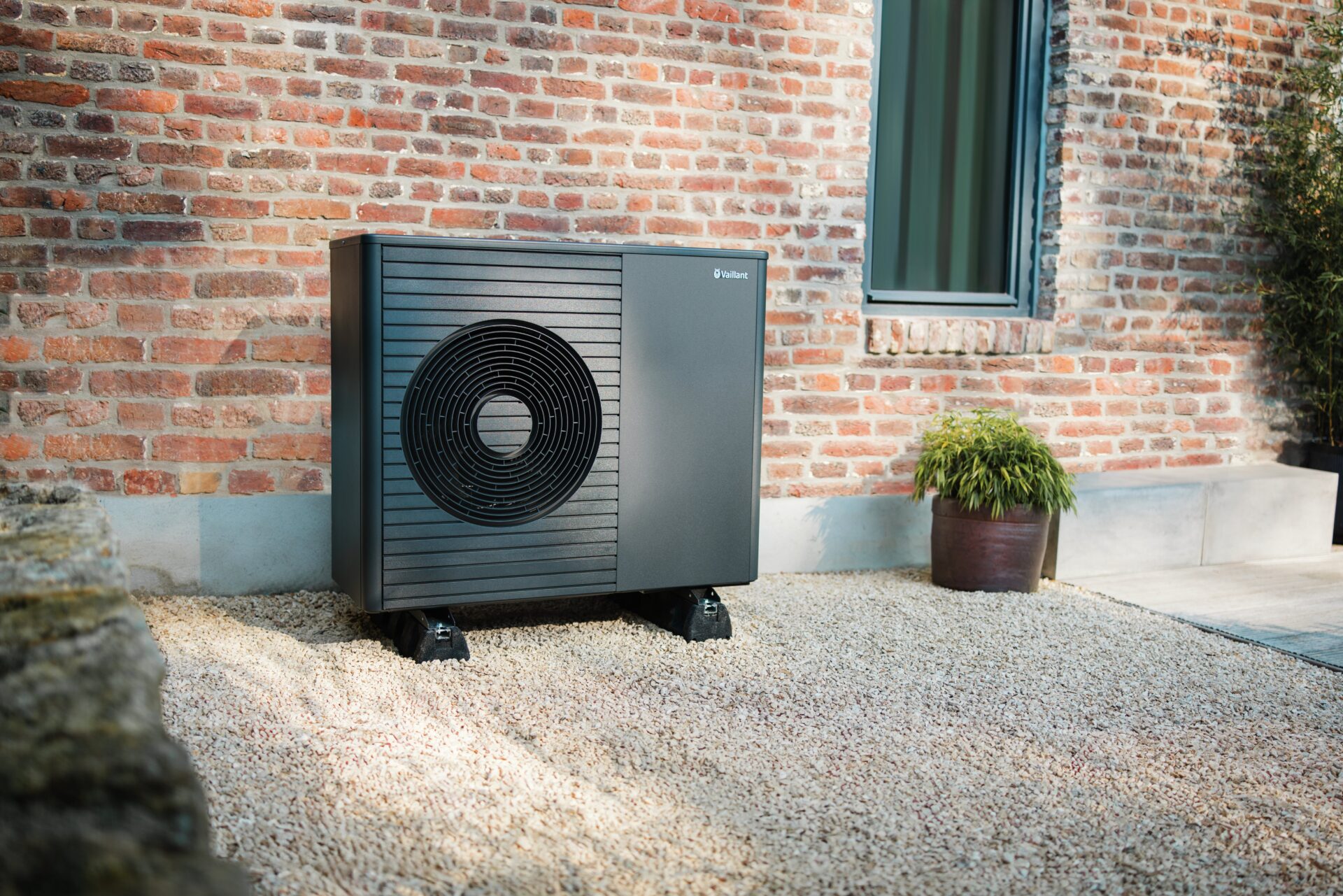
The best place for your air source heat pump is somewhere outside with plenty of air flow. It should sit on a solid, level base – like a concrete slab – with at least a meter of space around it. Try to place it close to your home to keep pipework short and energy loss low, and make sure it’s easy to access for regular servicing.
Installing an air source heat pump is a big step towards a greener, more energy-efficient home. It involves careful planning, professional installation, and ongoing maintenance, but the benefits are well worth it.
Not only will you be reducing your carbon footprint, but you’ll also be future-proofing your home against rising energy costs and potential bans on traditional gas boilers. Worried about the initial cost? Give our team a call.
We can help you figure out what funding you might be eligible for, help you apply and manage the full installation. With years of hands-on experience, you can count on our expertise and 5-star service to get the job done right. Reach out today to get started.
Get a quote
Choose what you’d like a quote for and our expert team will be in touch with tailored recommendations and pricing.
Choose a quote type
Excellent 4.8 out of 5
Our blog
Read more
October 12th, 2026
Heat Pump Subsidy Cut: What Homeowners Should Know
Written by: Gareth Whitehill
News
Read more
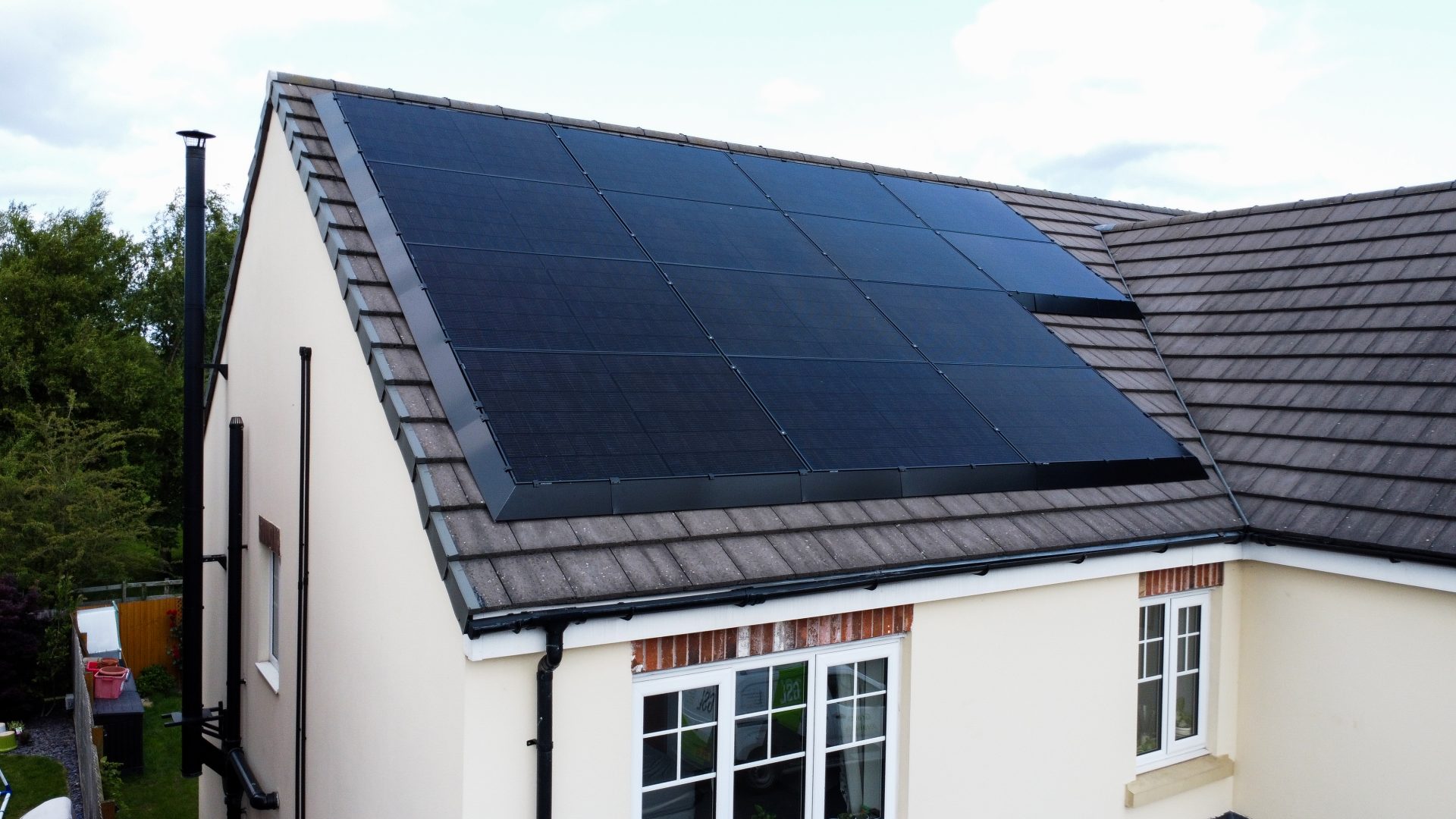
October 12th, 2026
Solar Panel Planning Permission: Do You Need It?
Written by: Gareth Whitehill
News
Read more
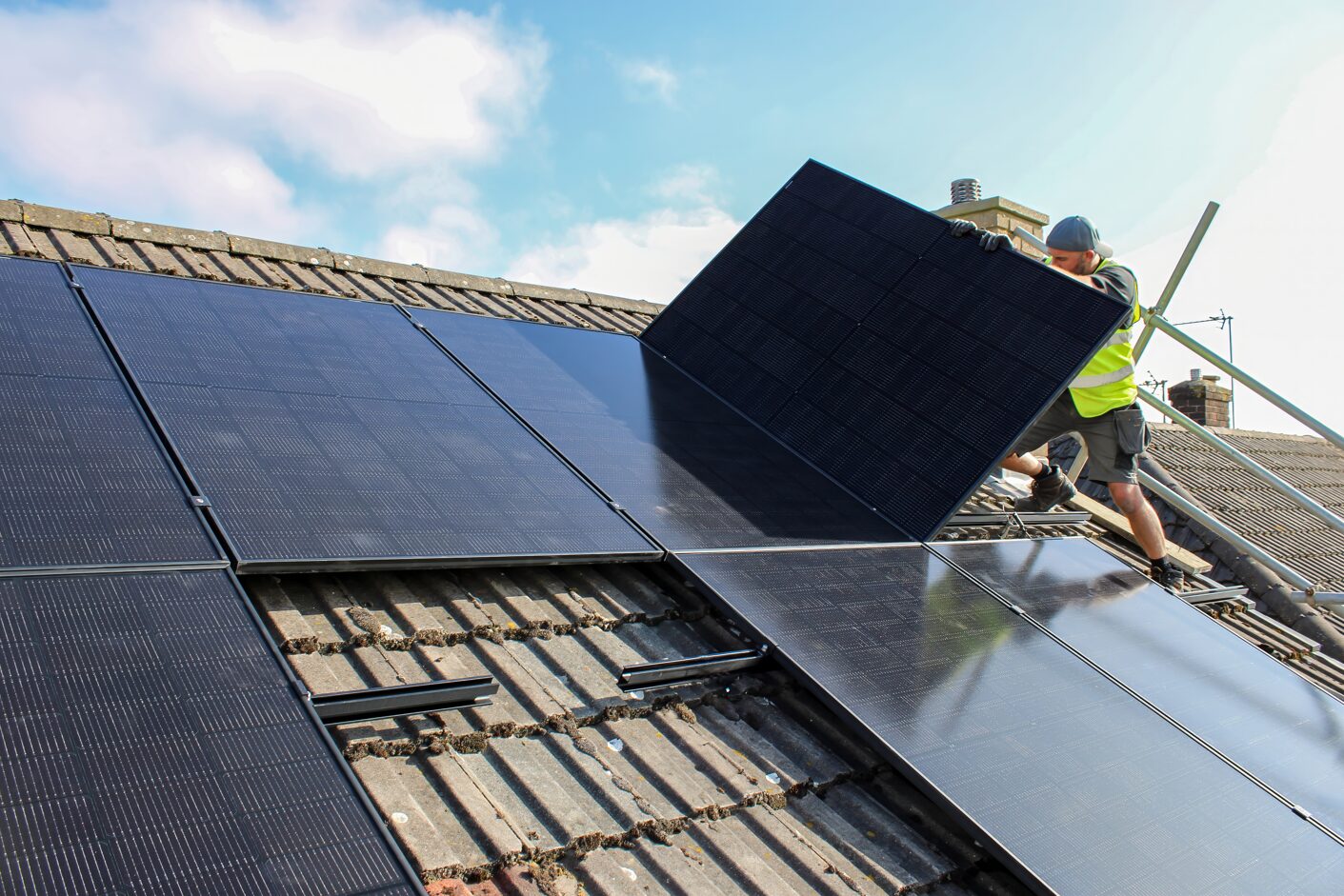
October 12th, 2026
Solar Panel VAT: 0% Relief Ends 31 March 2027
Written by: Gareth Whitehill
News
Read more
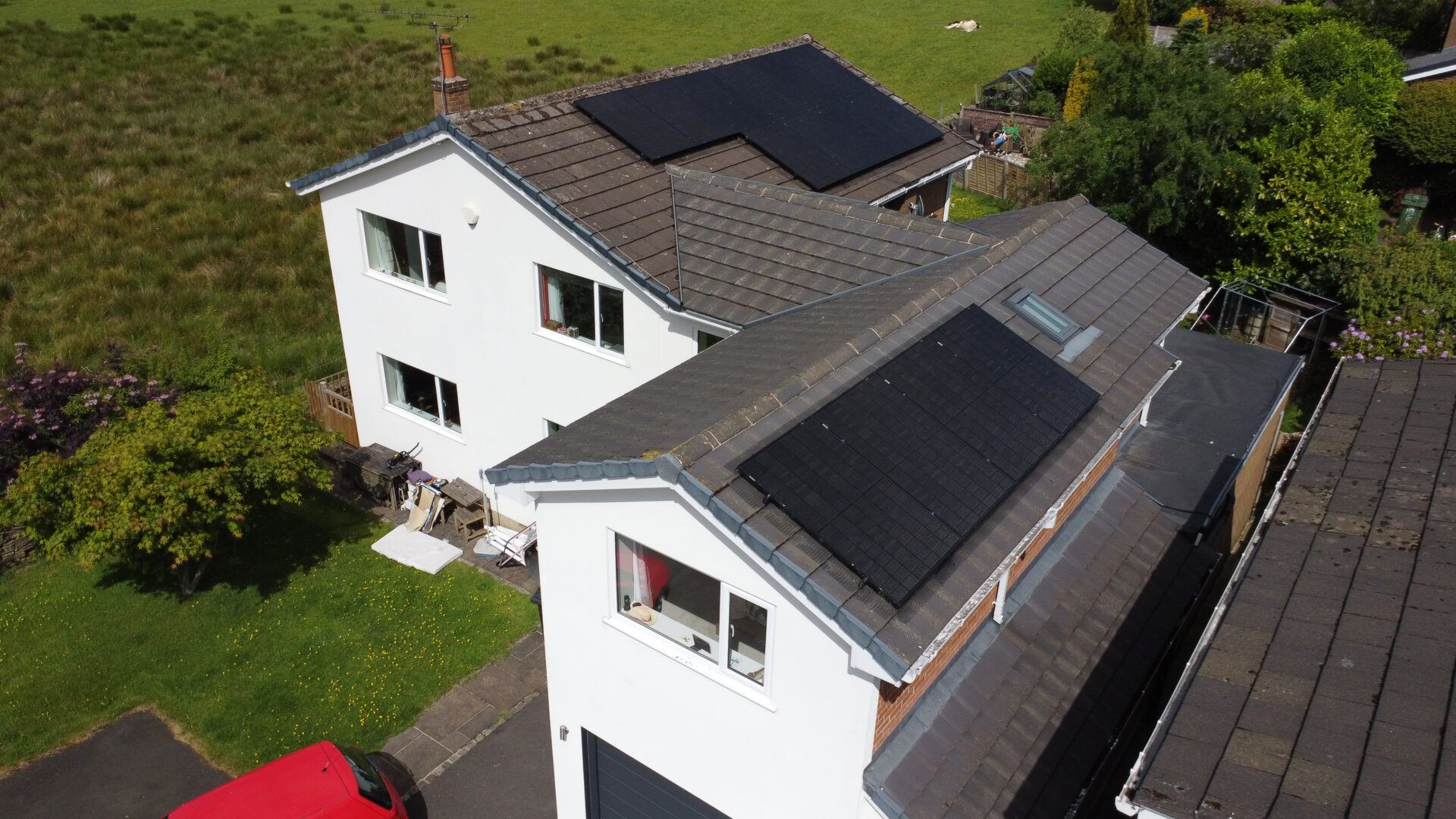
October 7th, 2026
Energy Price Cap October 2026: What It Means for You
Written by: Gareth Whitehill
News
Read more
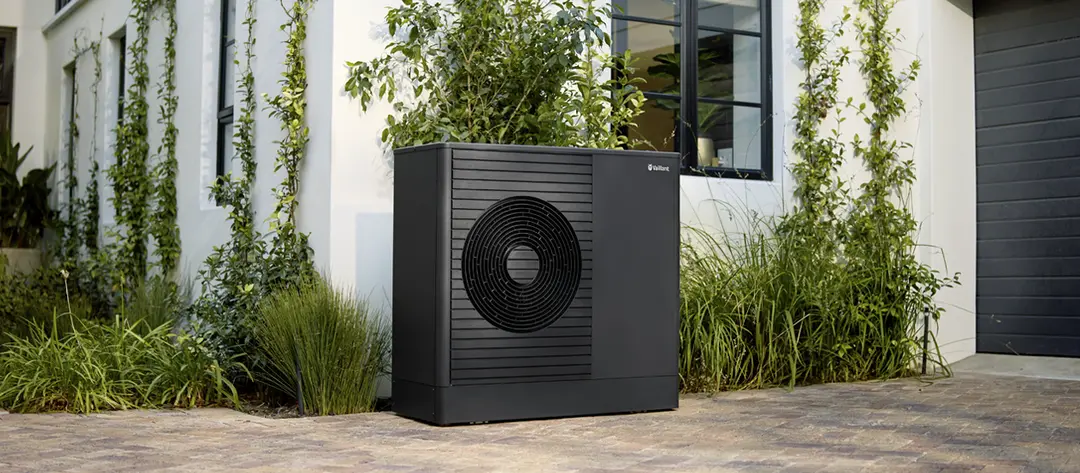
June 22nd, 2026
What the R290 Heat Pump Revolution Means for UK Homeowners
Written by: Gareth Whitehill
News
Read more
June 21st, 2026
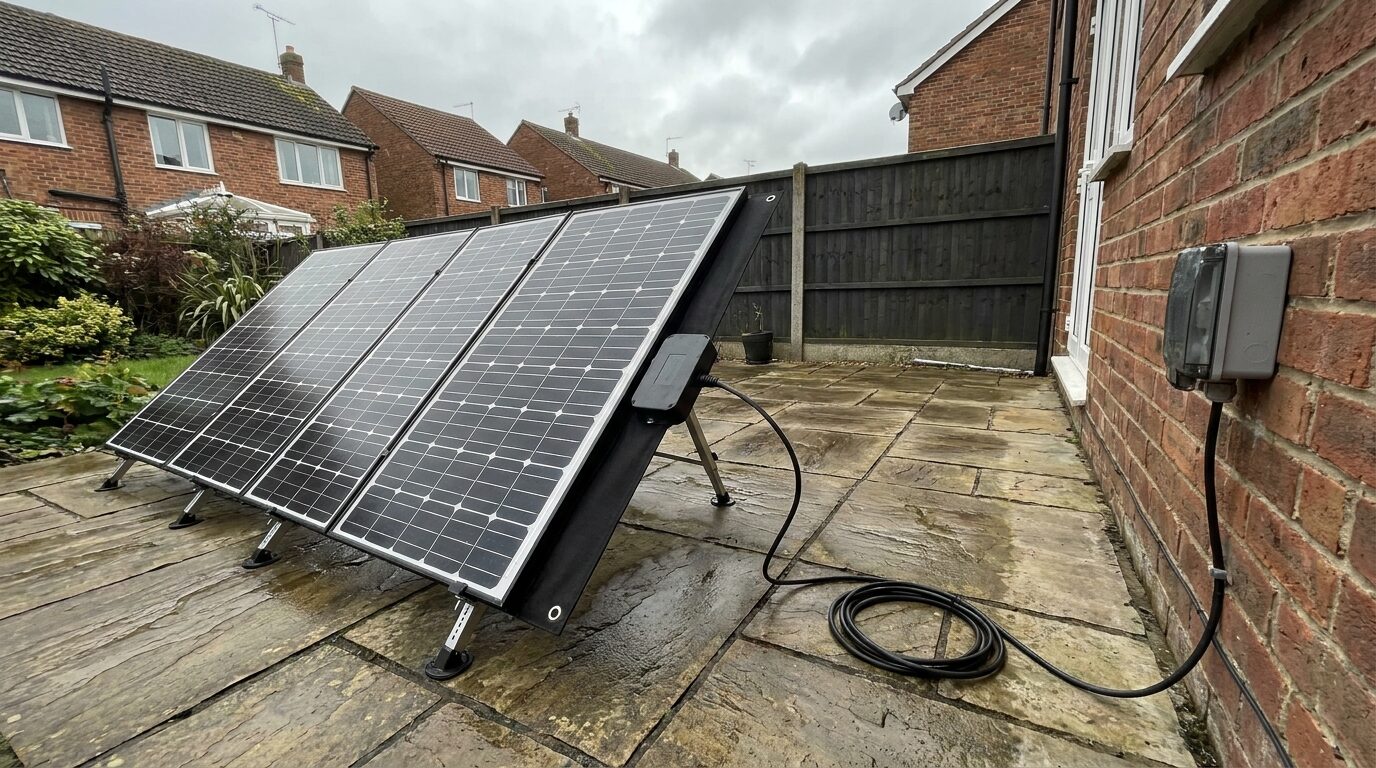
Plug-in solar panels UK — what they are vs rooftop solar
Written by: Gareth Whitehill
News
Read more
June 15th, 2026
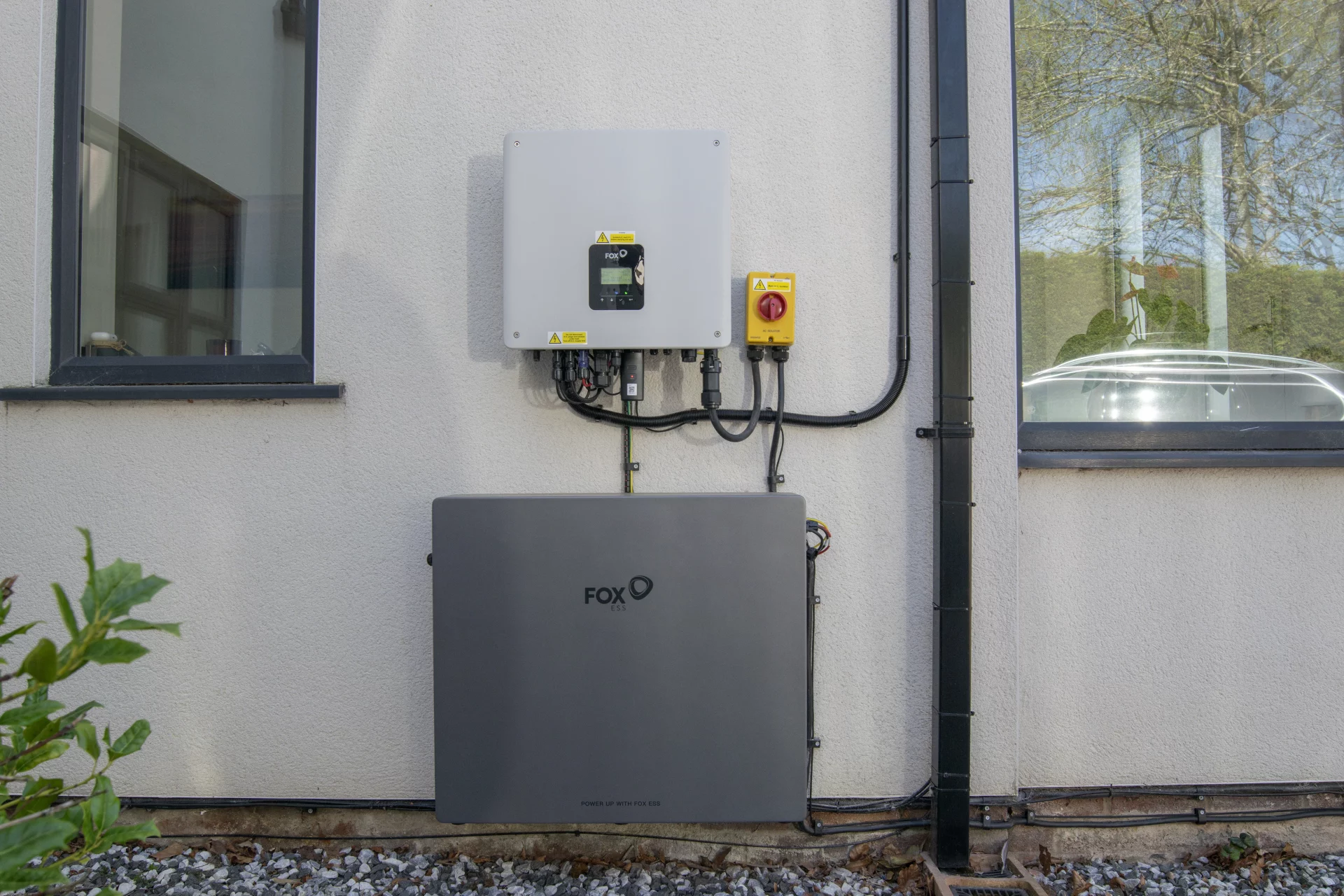
Community Battery Storage UK: What the Government’s New Plans Mean for Homeowners
Written by: Gareth Whitehill
News
Read more
June 12th, 2026
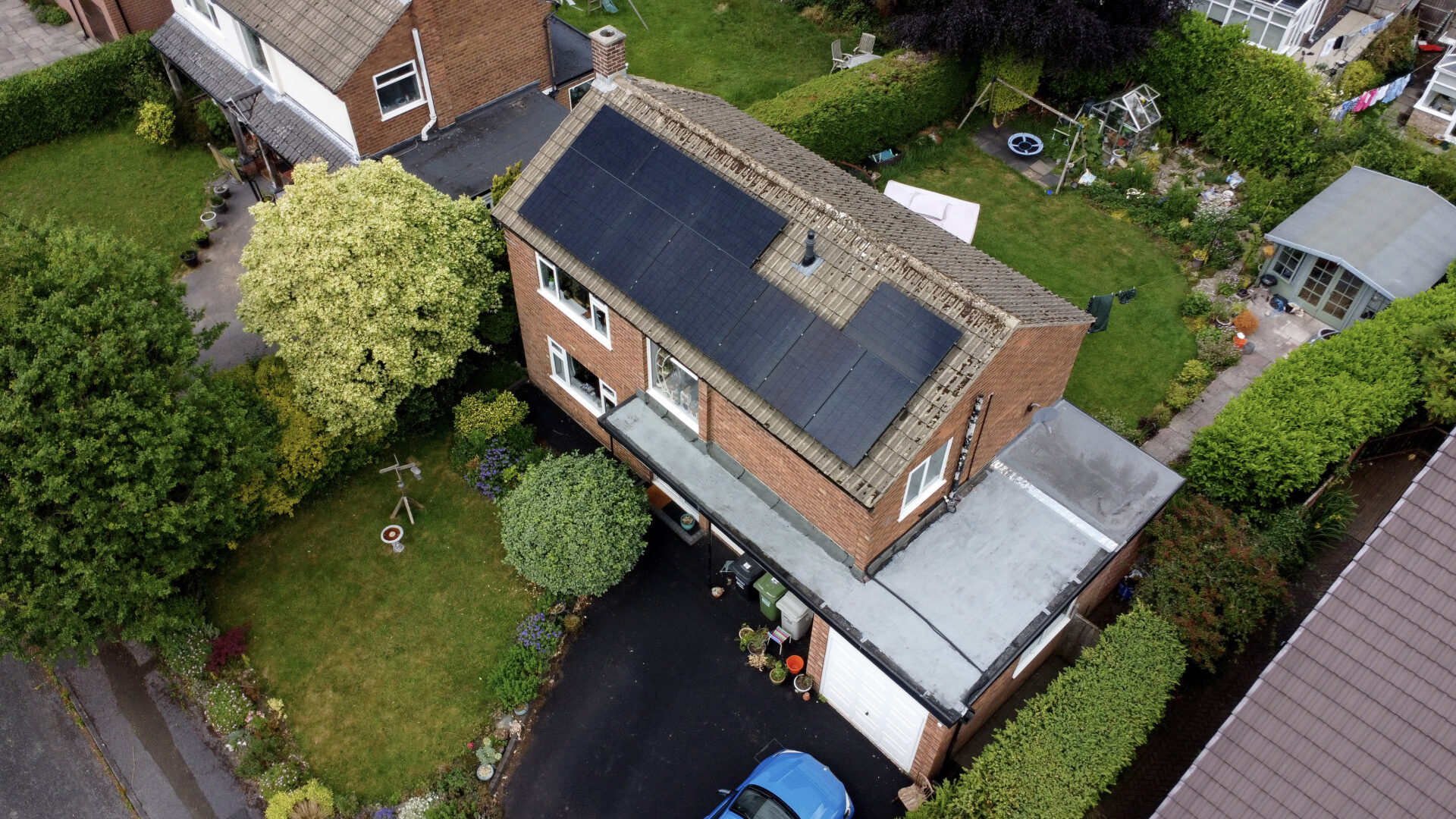
Electricity Prices Are Rising Again in July — Here’s What Solar and Battery Storage Can Do About It
Written by: Gareth Whitehill
News
Read more

June 10th, 2026
Solar Panels 2026: The UK Hits 2 Million Installations
Written by: Gareth Whitehill
News