
Read more
October 12th, 2026
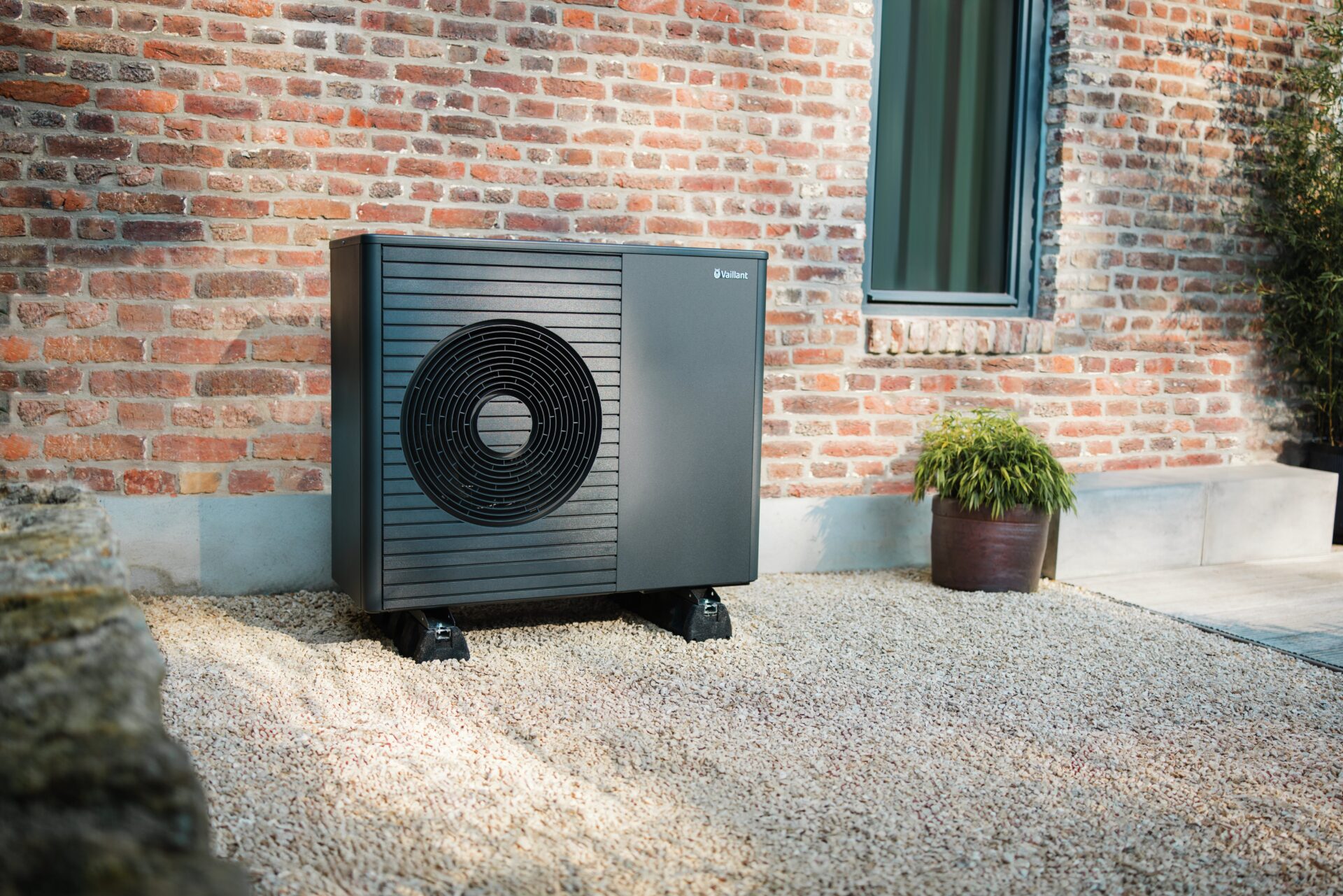
Heat Pump Subsidy Cut: What Homeowners Should Know
Written by: Gareth Whitehill
News
The Warm Homes Loan has launched. From today, homeowners and landlords can borrow for solar panels, home batteries and heat pumps at interest rates up to 5% lower than a normal loan, and some lenders are offering 0% interest. Here is everything you need to know about the new Warm Homes Loan: who qualifies, how much you can borrow, which lenders are taking part and how to apply.
The Warm Homes Loan is a government backed loan for clean energy home upgrades, announced on 27 October 2026 as part of the Warm Homes Plan. Rather than handing out grants, the government is paying lenders to reduce the cost of borrowing. The result is a loan with interest up to 5 percentage points lower than you would get from a standard bank or high street personal loan.
Some lenders are going further, with 0% interest products, and some will let you repay over as long as 30 years. You pay nothing upfront, and the savings on your energy bills can help cover the monthly repayments.
For the full breakdown, see our Warm Homes Loan Scheme guide.
Each technology has its own maximum loan:
EV chargers are not included in the scheme at the moment.
According to the government, a home with solar panels, a battery and a heat pump could save up to £550 a year on energy bills, and up to £300 a year more on a time of use tariff. Households in the government’s case studies, from Birmingham to Stirling, report savings from several hundred pounds to over £1,600 a year after installing solar, batteries and heat pumps.
Want a figure for your own home? Try our solar energy calculator.
The Warm Homes Loan is open to two groups:
It is available in England, Scotland, Wales and Northern Ireland. There is no income limit and no minimum EPC rating, which makes it very different from older energy grants. Lenders carry out their normal credit and affordability checks and can set extra conditions of their own. Landlords with more than one property can take a loan for each one.
Ten lenders are taking part at launch, some offering interest free loans:
More lenders are expected to join from early 2027. When you compare them, look at the total amount you will repay, the length of the term and any fees, not just the monthly figure.
Yes, and this is where the numbers get really interesting for heat pumps. In England and Wales, the Boiler Upgrade Scheme takes £7,500 off the cost of an air source heat pump, or up to £9,000 for homes on oil or LPG with no mains gas until March 2027. The Warm Homes Loan can then cover the rest, so a new air source heat pump could be fitted with nothing to pay on the day. In Scotland, the loan works alongside Home Energy Scotland funding.
Every Warm Homes Loan installation must be carried out by an MCS certified installer, and lenders check the installer’s MCS number on your quote before they approve the loan. Some lenders only work with their own installers, while others let you choose any MCS certified installer. That choice matters, because the design and price of your system decide how much you actually save.
The Warm Homes Loan is available on Grant Store installations. We are MCS certified for solar panels, battery storage and heat pumps, and we provide a full written quote with everything your lender needs.
Is the Warm Homes Loan a grant? No. It is a loan you repay, but government funding reduces the interest.
Is the Warm Homes Loan interest free? Some lenders offer 0% interest. Others offer rates up to 5 percentage points below a standard loan.
Can I get a Warm Homes Loan for solar panels only? Yes. You can borrow up to £15,000 for solar panels on their own, or add a battery for up to £15,000 more.
Thinking about solar, a battery or a heat pump? Get a free quote from Grant Store and use it to apply for your Warm Homes Loan. Read our complete Warm Homes Loan Scheme guide, or see the government’s announcement on GOV.UK.
Get a quote
Choose what you’d like a quote for and our expert team will be in touch with tailored recommendations and pricing.
Choose a quote type
Excellent 4.8 out of 5
Our blog
Read more
October 12th, 2026
Heat Pump Subsidy Cut: What Homeowners Should Know
Written by: Gareth Whitehill
News
Read more
October 12th, 2026
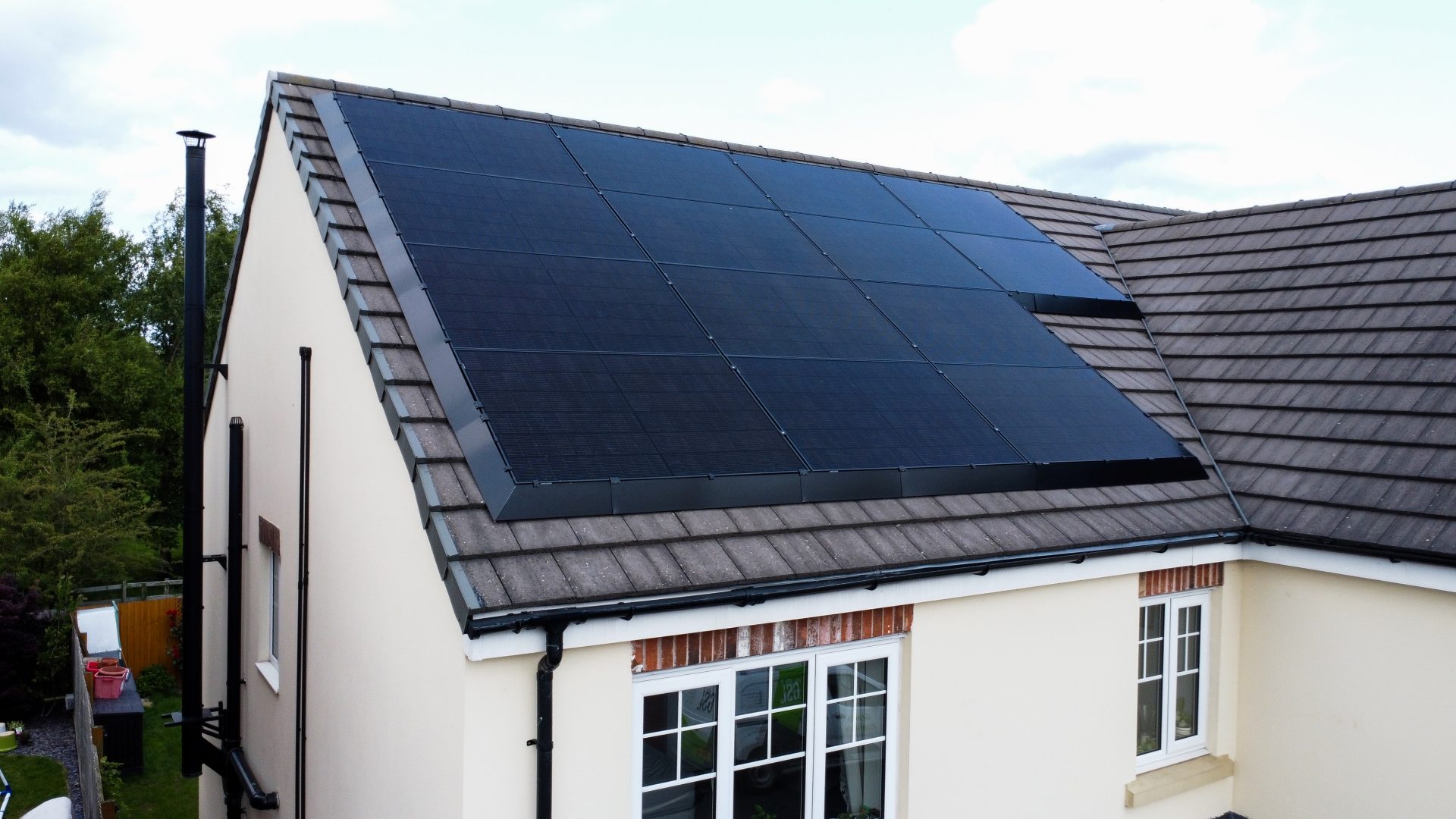
Solar Panel Planning Permission: Do You Need It?
Written by: Gareth Whitehill
News
Read more
October 12th, 2026
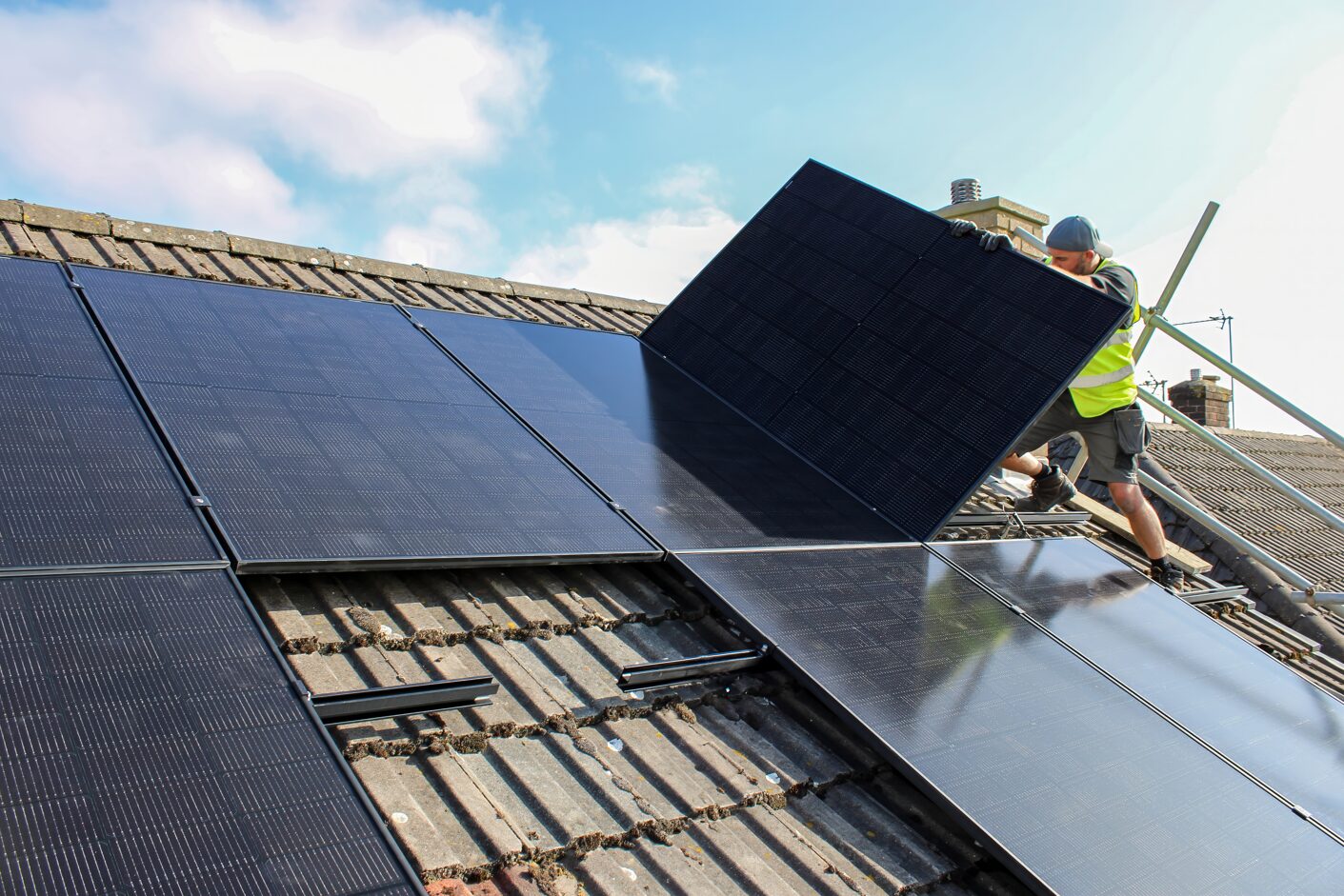
Solar Panel VAT: 0% Relief Ends 31 March 2027
Written by: Gareth Whitehill
News
Read more
October 7th, 2026
Energy Price Cap October 2026: What It Means for You
Written by: Gareth Whitehill
News
Read more
June 22nd, 2026
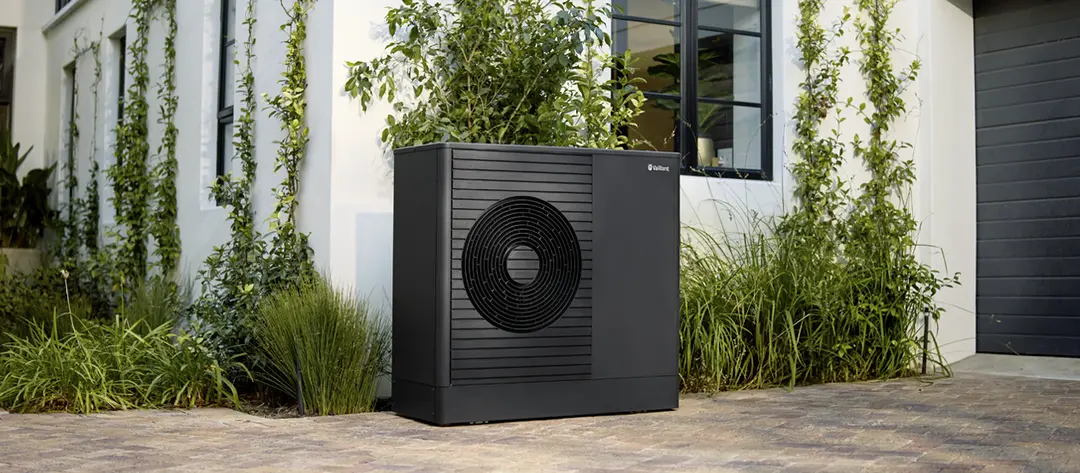
What the R290 Heat Pump Revolution Means for UK Homeowners
Written by: Gareth Whitehill
News
Read more
June 21st, 2026
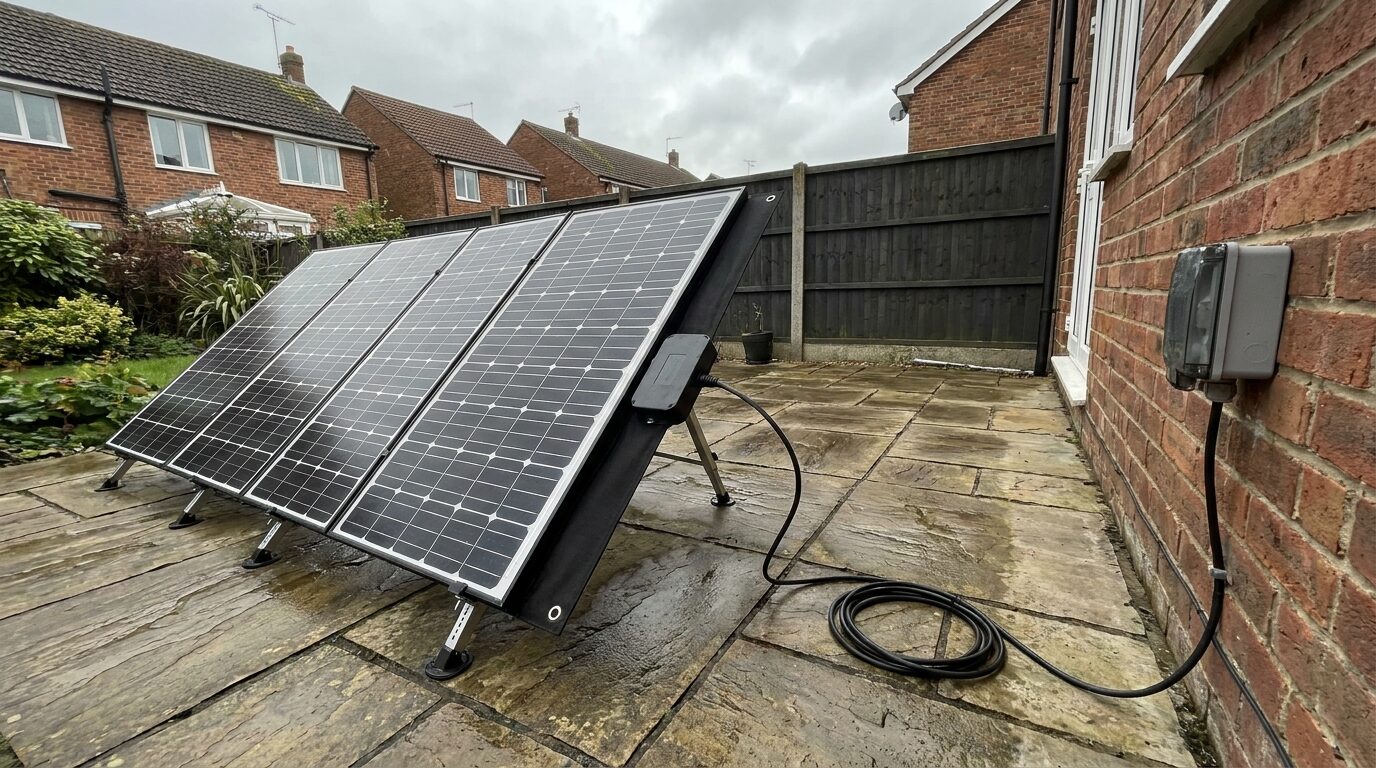
Plug-in solar panels UK — what they are vs rooftop solar
Written by: Gareth Whitehill
News
Read more
June 15th, 2026
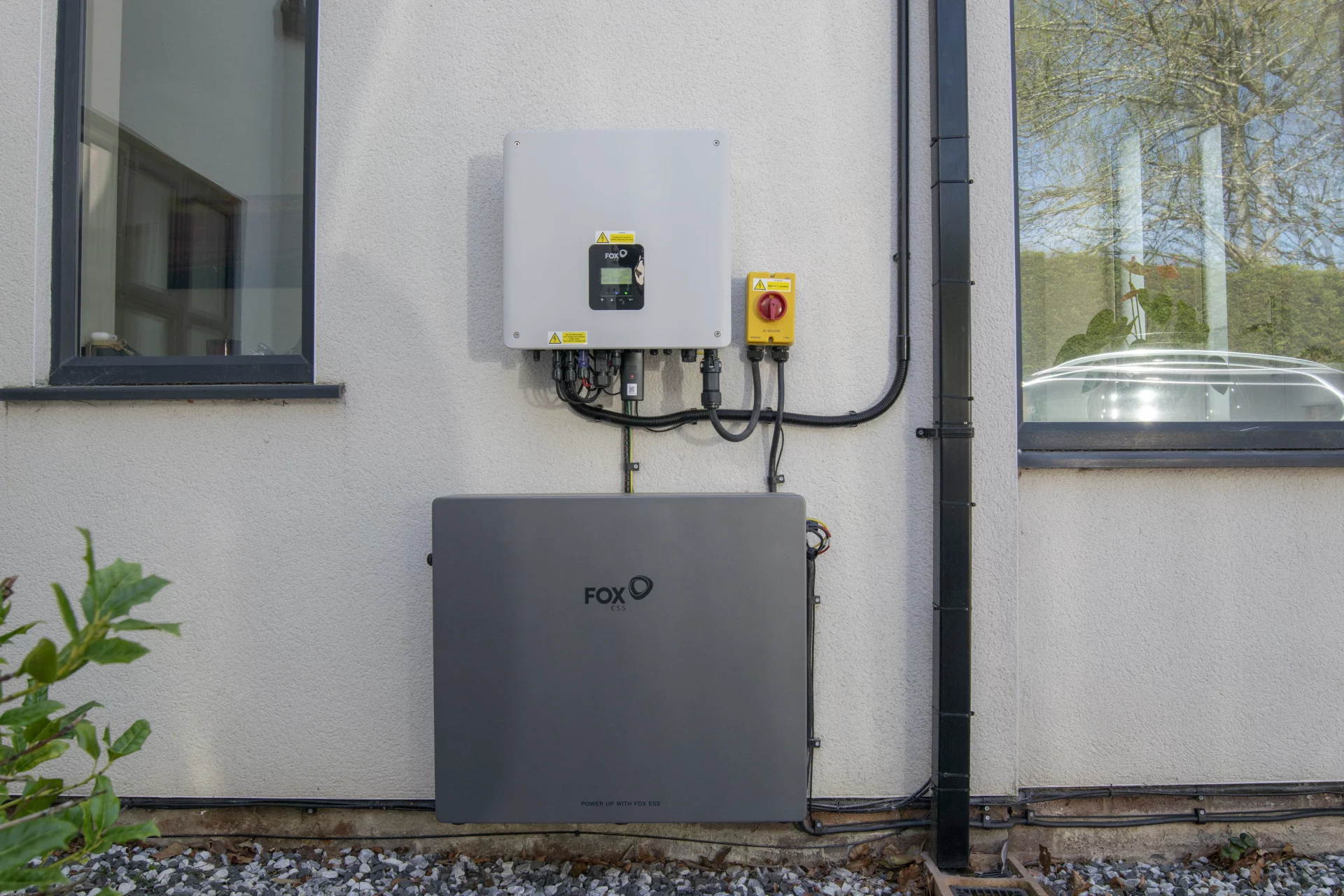
Community Battery Storage UK: What the Government’s New Plans Mean for Homeowners
Written by: Gareth Whitehill
News
Read more
June 12th, 2026
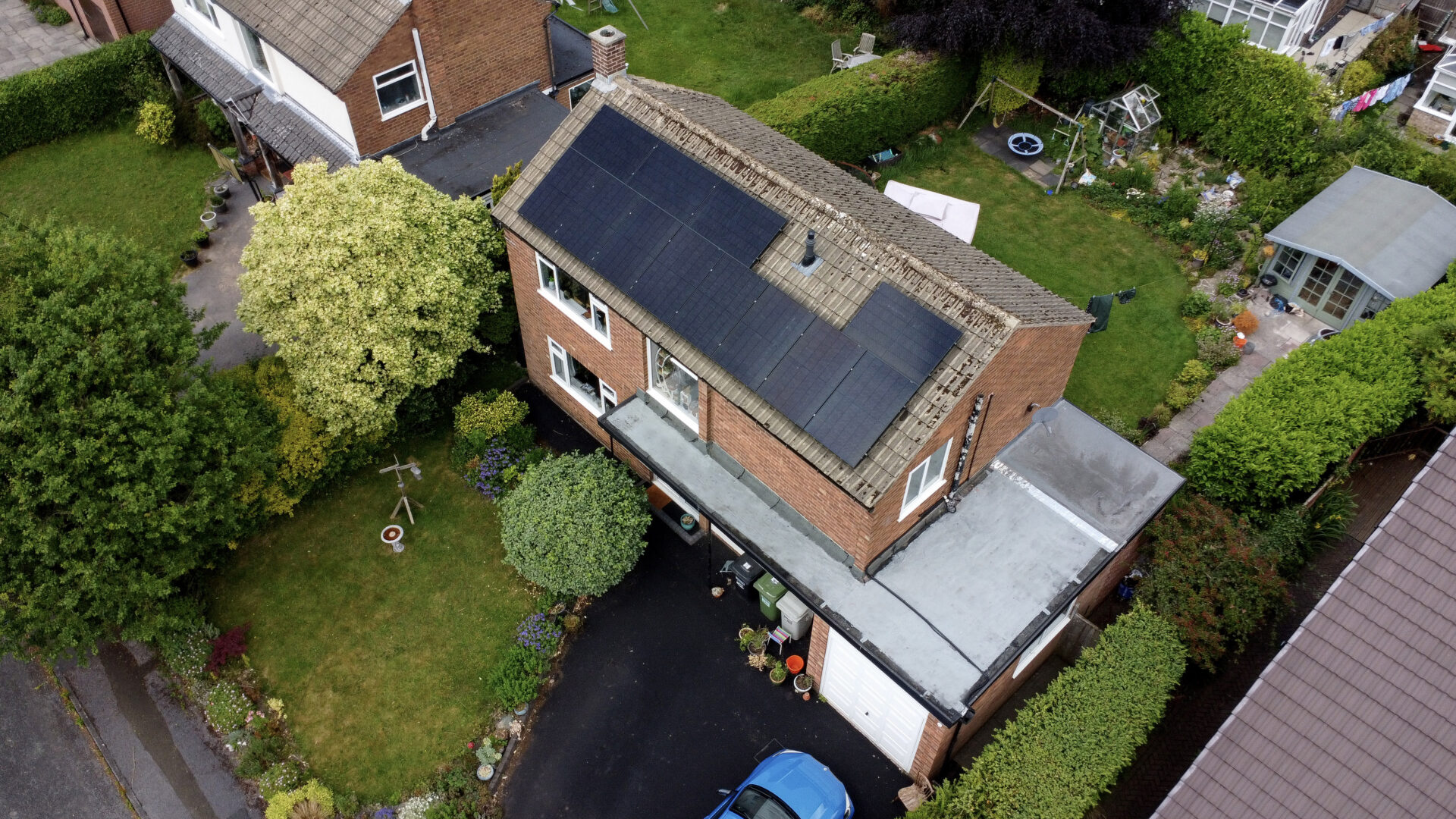
Electricity Prices Are Rising Again in July — Here’s What Solar and Battery Storage Can Do About It
Written by: Gareth Whitehill
News
Read more

June 10th, 2026
Solar Panels 2026: The UK Hits 2 Million Installations
Written by: Gareth Whitehill
News