

Read more

October 12th, 2026
Heat Pump Subsidy Cut: What Homeowners Should Know
Written by: Gareth Whitehill
News
Solar panel planning permission is one of the first questions homeowners ask, and the good news is that most ordinary roof-mounted systems in England do not need it. They are normally covered by permitted development rights, as long as your home and your roof fit a short list of limits.
Those limits come from the General Permitted Development Order, the law that sets out which projects you can carry out without a full planning application. Below we walk through the rules in plain English, using the wording in Part 14 of Schedule 2 on legislation.gov.uk, so you know what to expect before a surveyor visits.
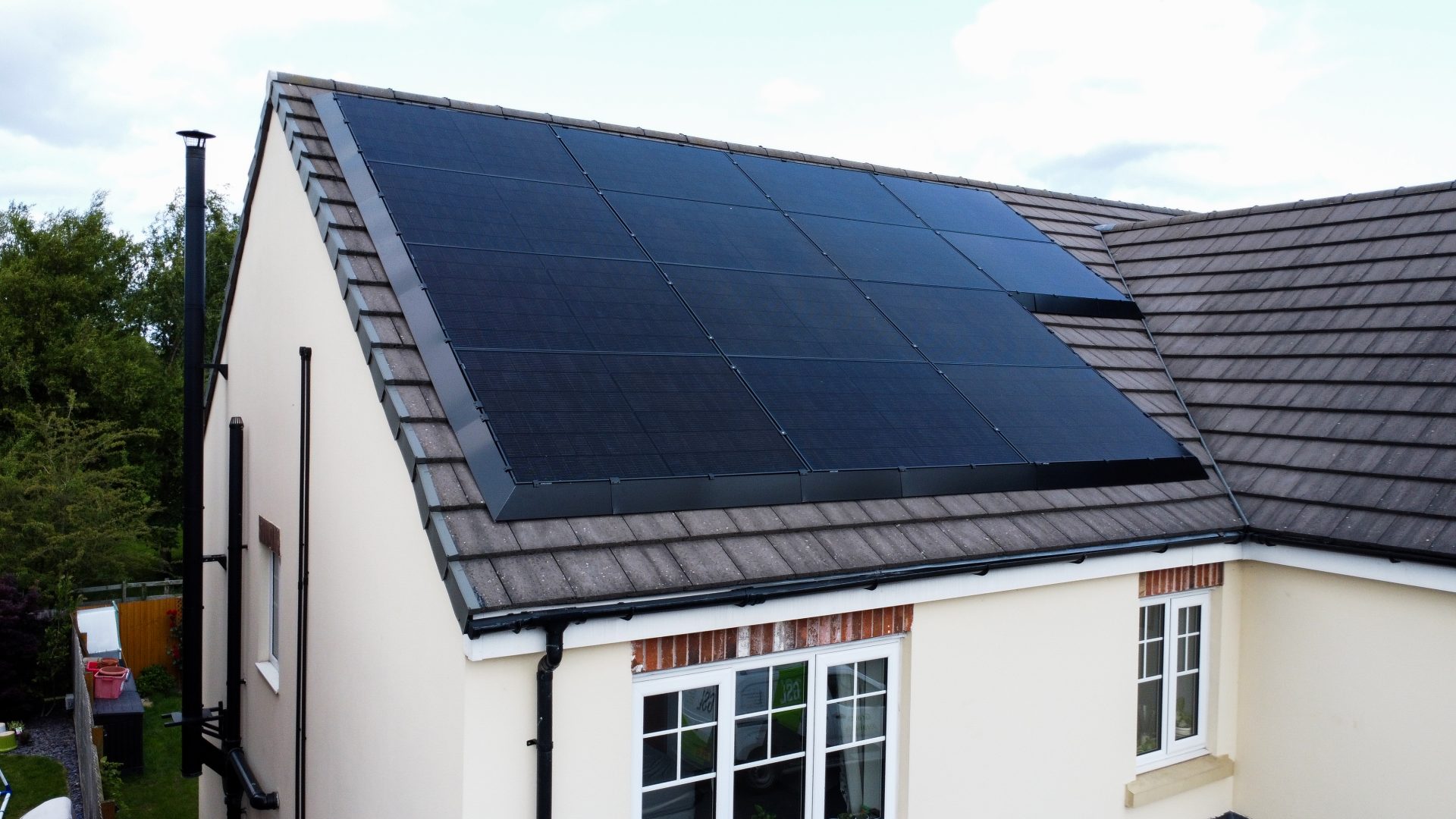
For a typical house with a pitched roof, usually not. Under Class A of Part 14, panels are not permitted development if they would protrude more than 0.2 metres (200mm) beyond the plane of the roof slope, or if any part of them would sit higher than the highest part of the roof. In other words, the roof ridge is your upper limit.
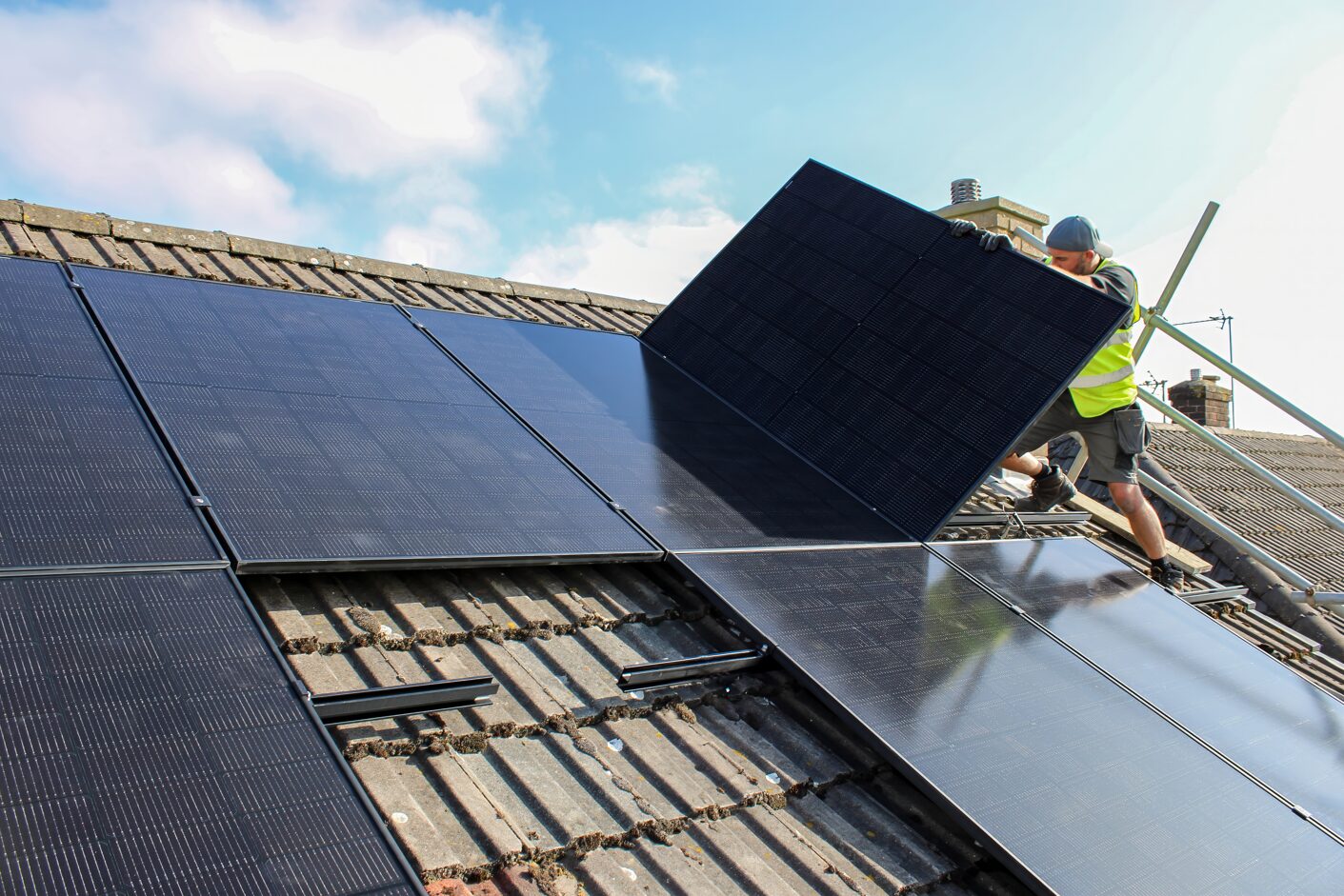
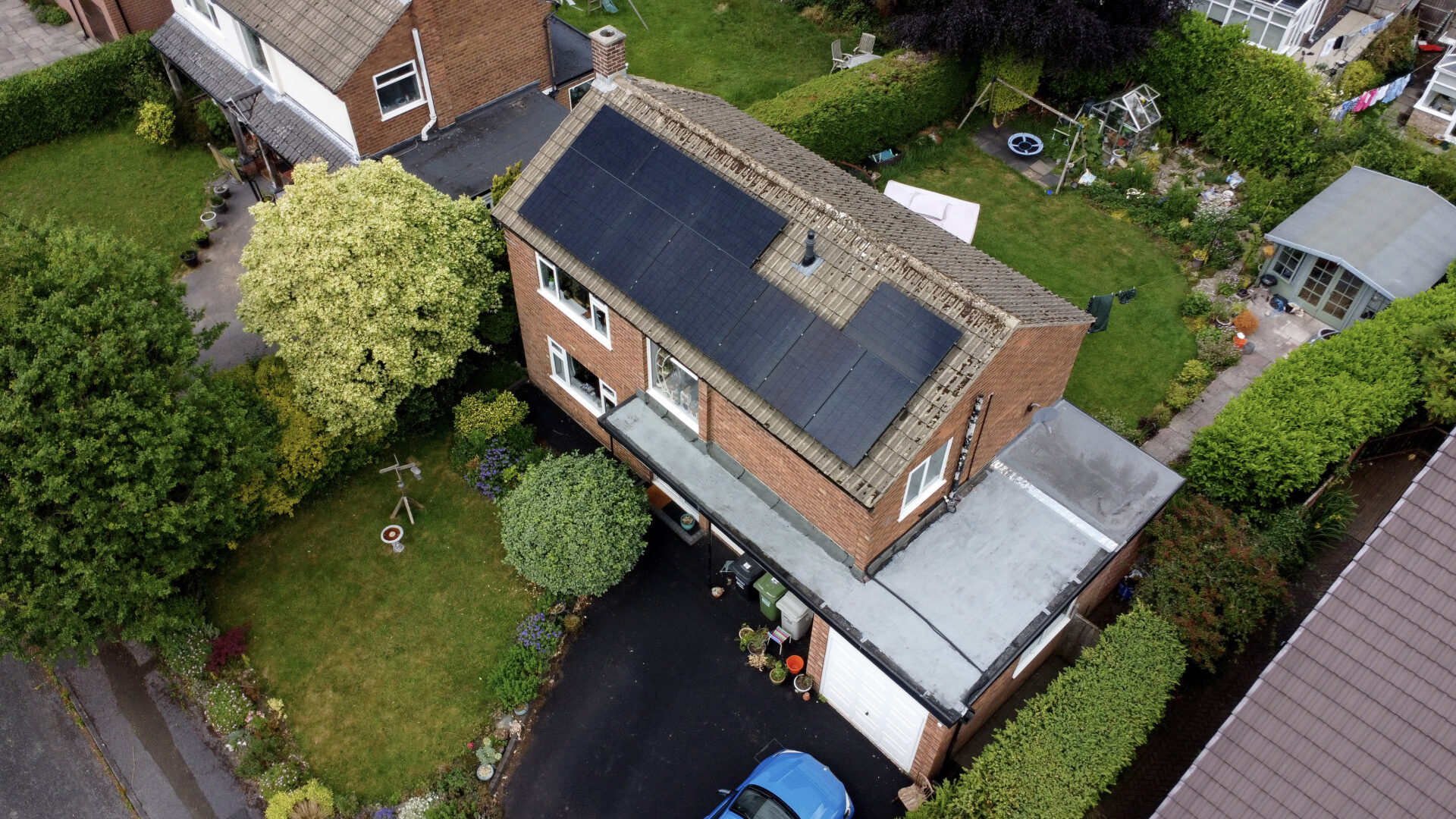
In practice, most systems fitted flush to the roof, with panels sitting on rails just above the tiles, stay inside those limits. If your plans keep the panels below the ridge and within 200mm of the roof surface, you are normally in the clear.
There is also a common-sense condition. The law says the equipment should, so far as practicable, be sited to minimise its effect on the appearance of the building and the amenity of the area. It must also be removed as soon as reasonably practicable when it is no longer needed.
Flat roofs have their own rule. Panels there must not be more than 0.6 metres higher than the highest part of the roof. That gives room to tilt panels towards the sun, which is often worth doing on a flat roof.
For panels fixed to a wall, the legislation sets a projection limit of 0.4 metres, or 0.2 metres where the wall fronts a highway. If you were thinking of a freestanding array in the garden, that falls under different rules, so ask your local planning authority before you commit.
The main exception is a listed building. The rules say panels are not permitted development if the dwellinghouse is listed, so you would need to speak to your council about listed building consent first. The same applies to sites designated as scheduled monuments.
Conservation areas and World Heritage Sites are less restrictive than many people assume. Panels are not permitted development on a wall, balcony or roof enclosure that fronts a highway in those places, but the roof itself is not caught by that particular rule. There is one further catch: on a flat roof in this kind of protected land, you must apply to the local planning authority for a determination before you start.
Planning rules are amended from time to time. The legislation page notes that some provisions changed with effect from 27 August 2026, so always check the current position with your council if your home is anywhere near these exceptions. A short call is far cheaper than removing panels later.
Start by checking whether your home is listed or sits in a conservation area, which your council’s website will usually tell you. Then think about the roof you want to use: a pitched roof with flush panels is the simplest case, while a flat roof or a wall-mounted array deserves a closer look.
If you are curious about plug-in panels, the rules are different again, and we cover them in our guide to plug-in solar panels in the UK. To see why so many households are going solar, read about the UK passing two million installations. You can also try our solar calculator for a first estimate, or read more about solar energy and battery storage.
Grant Store Ltd is MCS-certified, an Octopus Trusted Partner and FCA authorised. We are based in Wigan and install solar panels, battery storage and air source heat pumps for homeowners across England. Get an instant estimate at quote.grant-store.com/solar, or call us on 01942 918844.
Written by Gareth Whitehill
Get a quote
Choose what you’d like a quote for and our expert team will be in touch with tailored recommendations and pricing.
Choose a quote type
Excellent 4.8 out of 5
Our blog
Read more
October 12th, 2026
Heat Pump Subsidy Cut: What Homeowners Should Know
Written by: Gareth Whitehill
News
Read more
October 12th, 2026
Solar Panel VAT: 0% Relief Ends 31 March 2027
Written by: Gareth Whitehill
News
Read more
October 7th, 2026
Energy Price Cap October 2026: What It Means for You
Written by: Gareth Whitehill
News
Read more
June 22nd, 2026
What the R290 Heat Pump Revolution Means for UK Homeowners
Written by: Gareth Whitehill
News
Read more
June 21st, 2026
Plug-in solar panels UK — what they are vs rooftop solar
Written by: Gareth Whitehill
News
Read more
June 15th, 2026
Community Battery Storage UK: What the Government’s New Plans Mean for Homeowners
Written by: Gareth Whitehill
News
Read more
June 12th, 2026
Electricity Prices Are Rising Again in July — Here’s What Solar and Battery Storage Can Do About It
Written by: Gareth Whitehill
News
Read more

June 10th, 2026
Solar Panels 2026: The UK Hits 2 Million Installations
Written by: Gareth Whitehill
News
Read more
June 9th, 2026
Oil or LPG Heating? You Could Get £9,000 Toward a Heat Pump
Written by: Gareth Whitehill
News