
Read more
November 10th, 2026
Energy Independence Bill: What It Means for Batteries
Written by: Gareth Whitehill
News
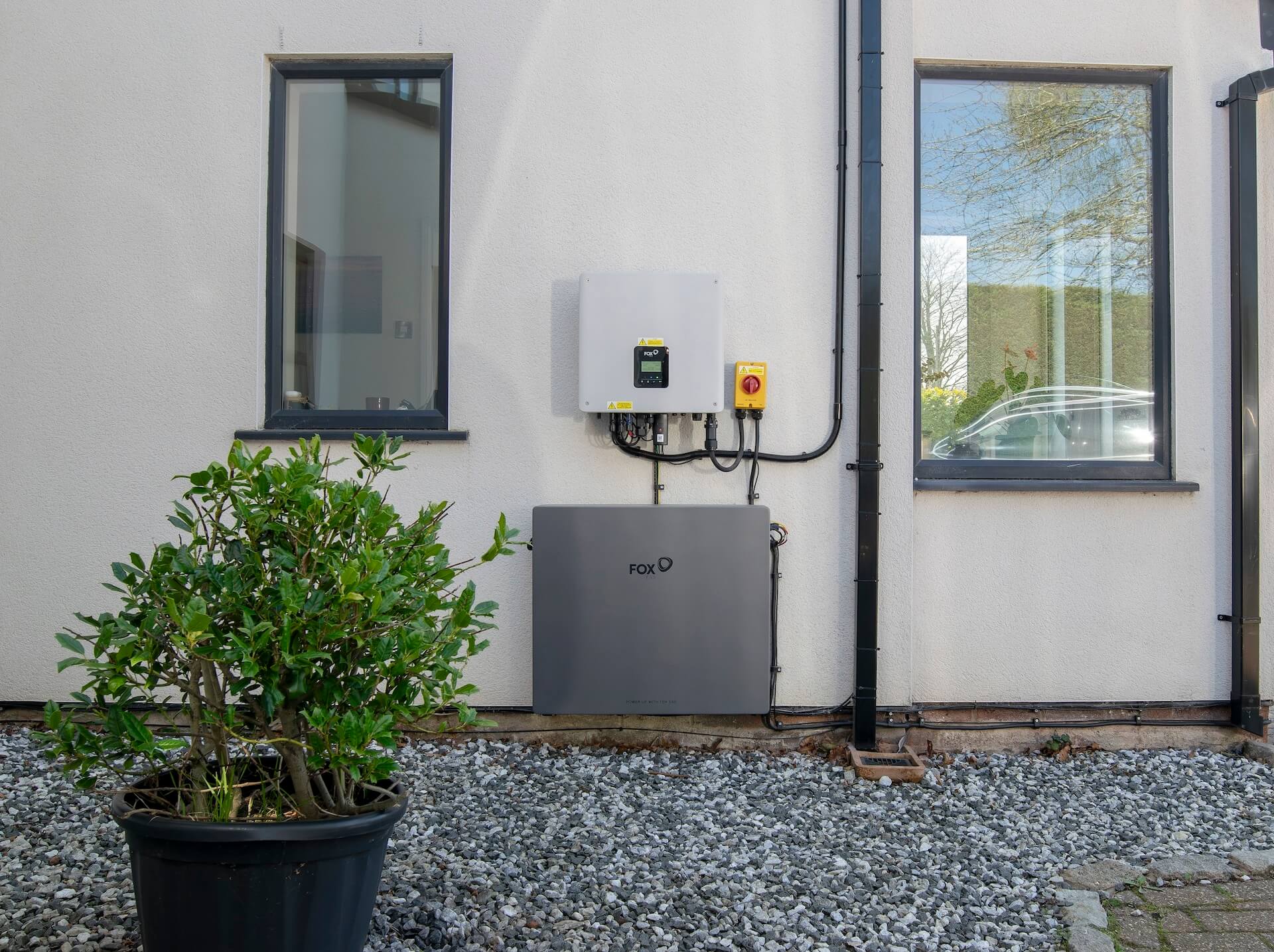
Wondering how to add battery to existing solar panels? In most cases you can, and you do not need to rip anything out. If your panels are already on the roof and you are exporting a lot of cheap daytime power, a retrofit battery lets you keep it for the evening instead. Here is how it works, what the paperwork involves and why the timing of the VAT rules is worth knowing about.
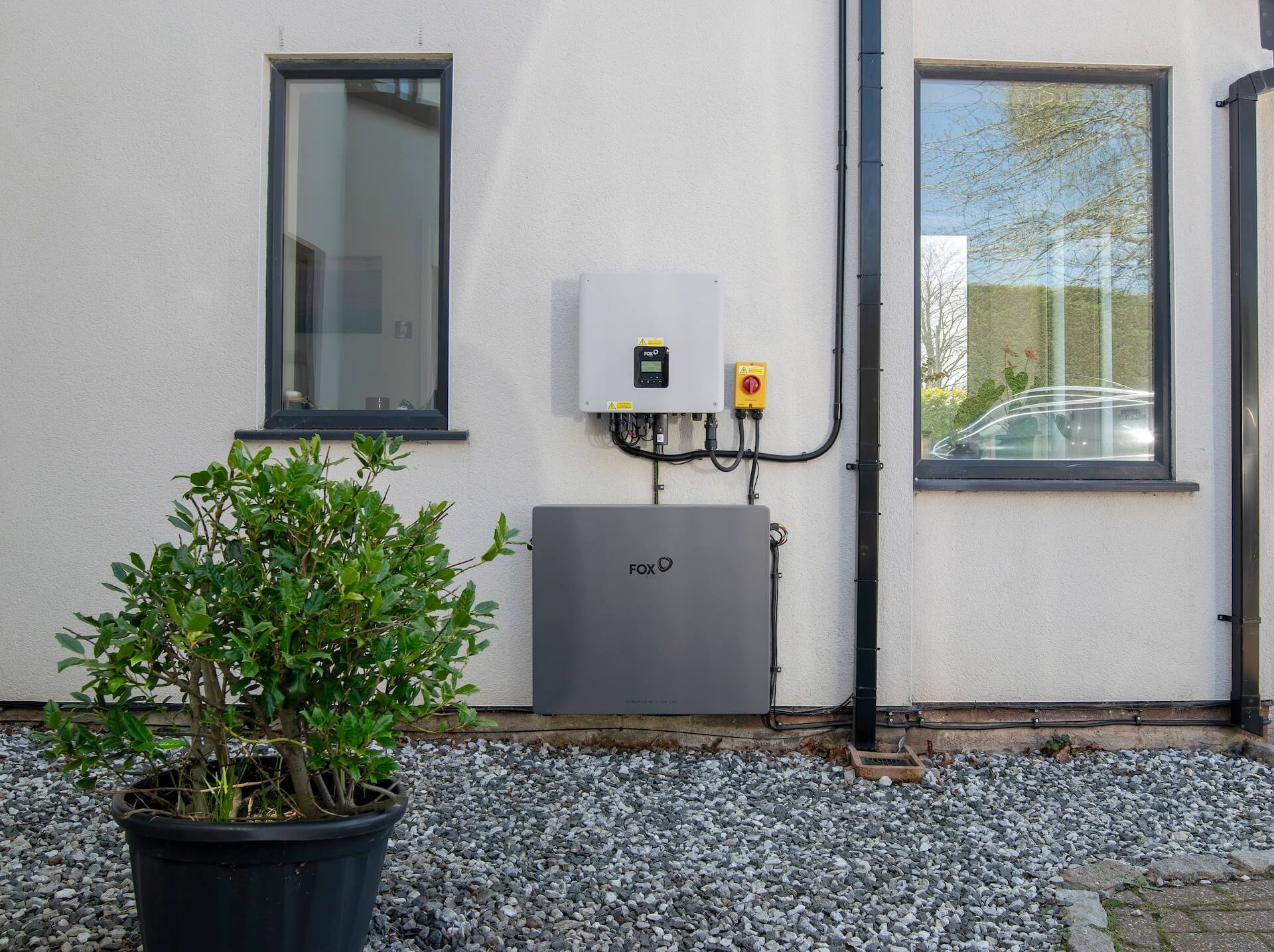
In most homes it is straightforward. A battery is a separate piece of kit that can be fitted alongside an array that has been working for years. The first question an installer will ask is how your current system is wired, because that decides which kind of battery set-up suits you.
There are two common routes. With AC coupling, the battery has its own inverter and sits alongside your existing solar inverter, which carries on as normal. With DC coupling, a hybrid inverter replaces your old one and handles both the panels and the battery. AC coupling is often the simpler retrofit, while DC coupling can make sense if your inverter is ageing and due for replacement anyway. A proper survey will tell you which is right for your home.
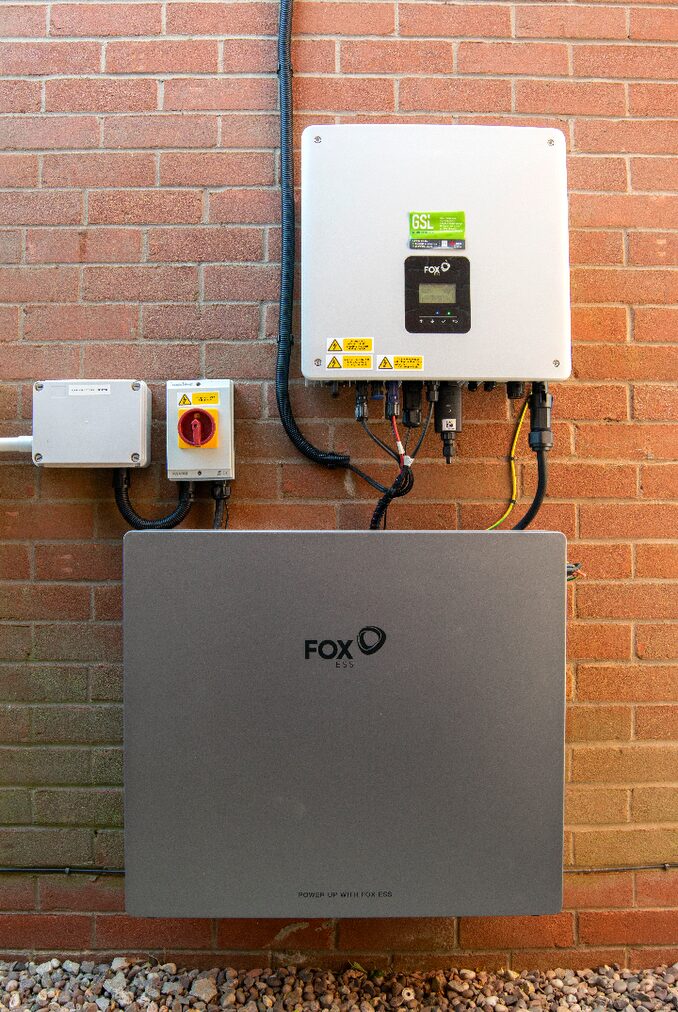
At Grant Store, the FoxESS EP6 and EP12 are our primary recommendation for most homes. They are strong, well-priced systems in their own right, and the right size depends on how much electricity you use in the evening and overnight. If you want a more advanced setup, Sigenergy’s SigenStor is available as a premium upgrade. To see how much of your own generation you could use, try our solar calculator, then read more about battery storage and your existing solar energy system.
Your local network operator (the DNO) needs to know about a new battery. According to MCS guidance on notifying DNOs, if the simpler EREC G98 route applies, the installer can submit the notification within 28 days of installation. But for installations over 3.68kW with energy storage, the G99 route applies and the application must go in before installation. MCS also says that where a battery is paired with solar PV, the combined generation is likely to fall under G99, with a fast-track form for suitable integrated systems.
You do not fill these in yourself. The GOV.UK guidance on registering energy devices explains that your installer submits the forms, but it also says it is the owner’s responsibility to make sure the DNO has received the notification. So ask your installer which route applies to you and when you will see confirmation. The same guidance says a DNO should respond within 45 days for low voltage devices, and that fast-track applications for fully type-tested integrated systems can reduce connection time to 10 days or less. Because the process can change, that is a good reason to check the current position with your installer.
It does at the moment. HMRC’s VAT guidance on energy-saving materials (Notice 708/6) covers the zero rate for electrical storage batteries in homes from 1 February 2024, and specifically mentions the retrofitting of a battery to store electricity generated by a microgeneration system such as solar panels.
The same guidance gives the general zero-rate window for these materials as ending on 31 March 2027, with the 5% reduced rate applying from 1 April 2027. The battery section itself does not spell out an end date, so confirm exactly how the rule applies to your job before you rely on it. We explain the wider picture in our guide to solar panel VAT and the 31 March 2027 deadline.
You may be able to. The government’s Warm Homes Loan is aimed at homeowners buying solar, batteries and heat pumps, and we covered the details in our Warm Homes Loan guide. Lenders have their own conditions, so compare the total repayable rather than just the monthly figure.
Start with what you already have: the age and make of your solar inverter, your roof array size and when you use the most electricity. Then ask for a written quote that names the battery, explains whether it is AC or DC coupled, shows VAT clearly and says which DNO route applies. A good installer will walk you through all of that before a single cable is run.
Grant Store is MCS-certified, an Octopus Trusted Partner and FCA authorised, based in Wigan and installing solar, battery storage and air source heat pumps for homeowners across England. Get a battery quote at quote.grant-store.com/battery, or call us on 01942 918844.
Written by Gareth Whitehill
Get a quote
Choose what you’d like a quote for and our expert team will be in touch with tailored recommendations and pricing.
Choose a quote type
Excellent 4.8 out of 5
Our blog
Read more
November 10th, 2026
Energy Independence Bill: What It Means for Batteries
Written by: Gareth Whitehill
News
Read more
October 27th, 2026
Warm Homes Loan Launched: Up to £20,000 for Solar, Batteries and Heat Pumps
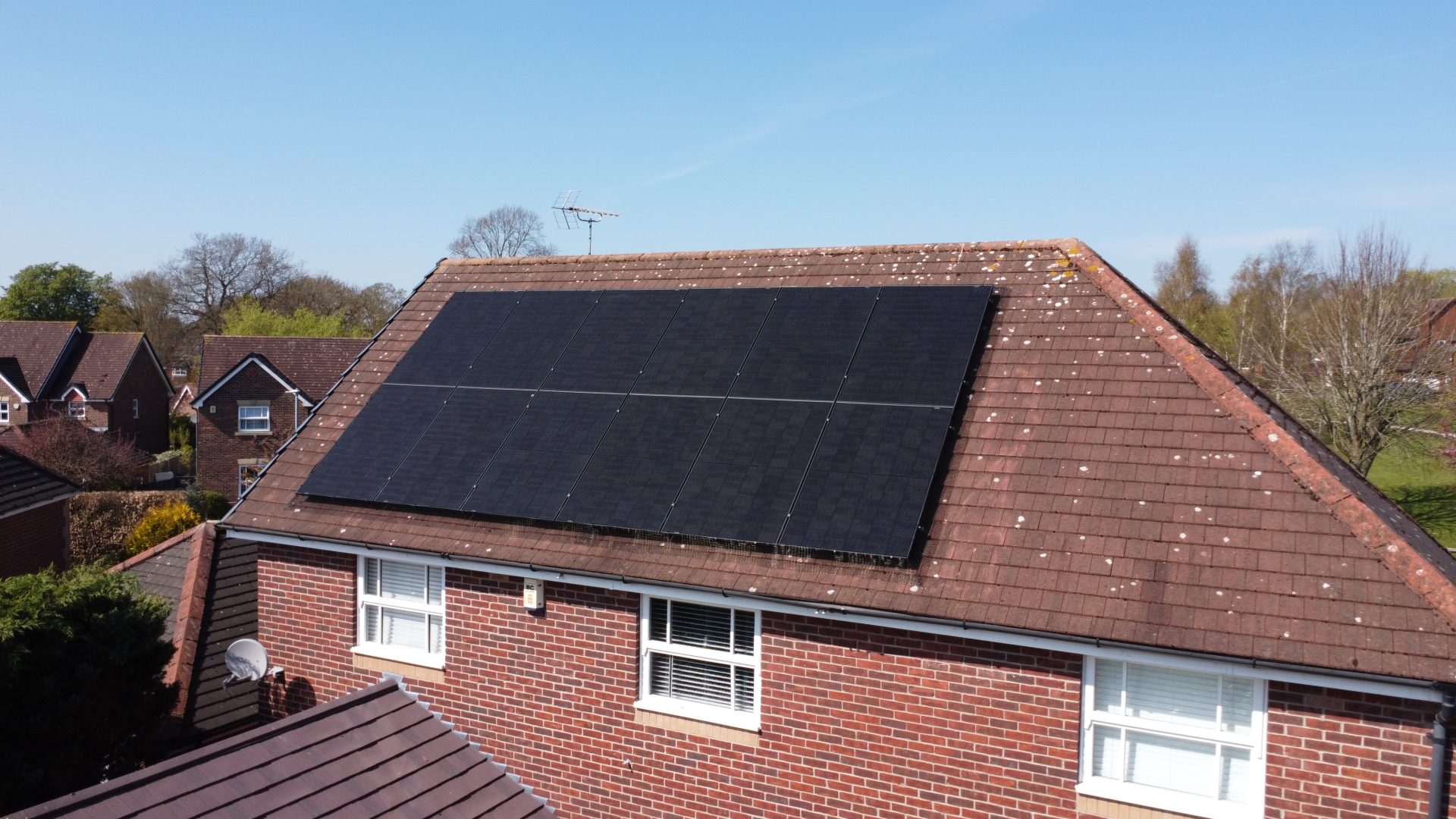
The government has launched the Warm Homes Loan, with low and 0% interest loans for solar panels, batteries and heat pumps. Here is who qualifies, how much you can borrow and how to apply.
Written by: Gareth Whitehill
News
Read more
October 12th, 2026
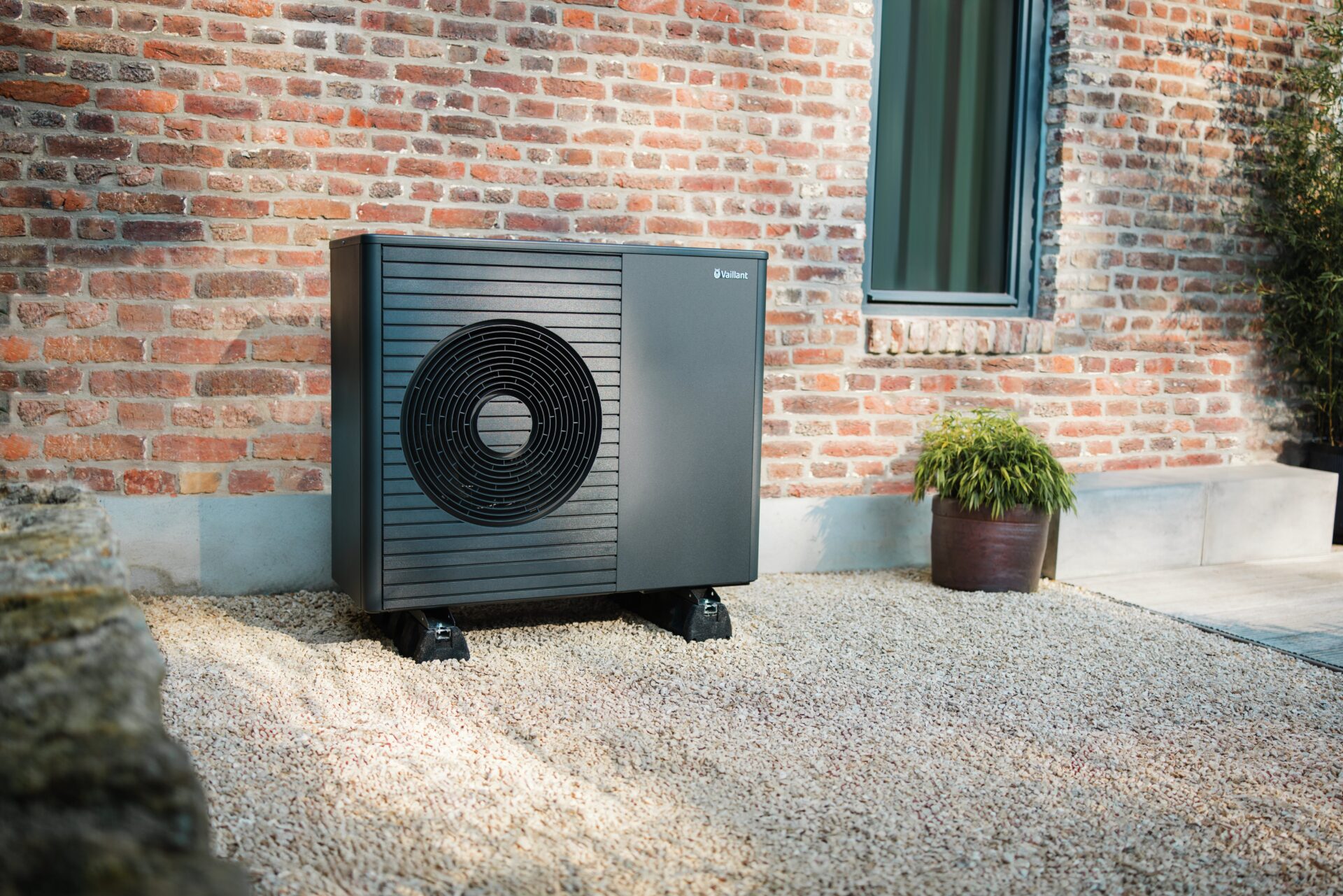
Heat Pump Subsidy Cut: What Homeowners Should Know
Written by: Gareth Whitehill
News
Read more
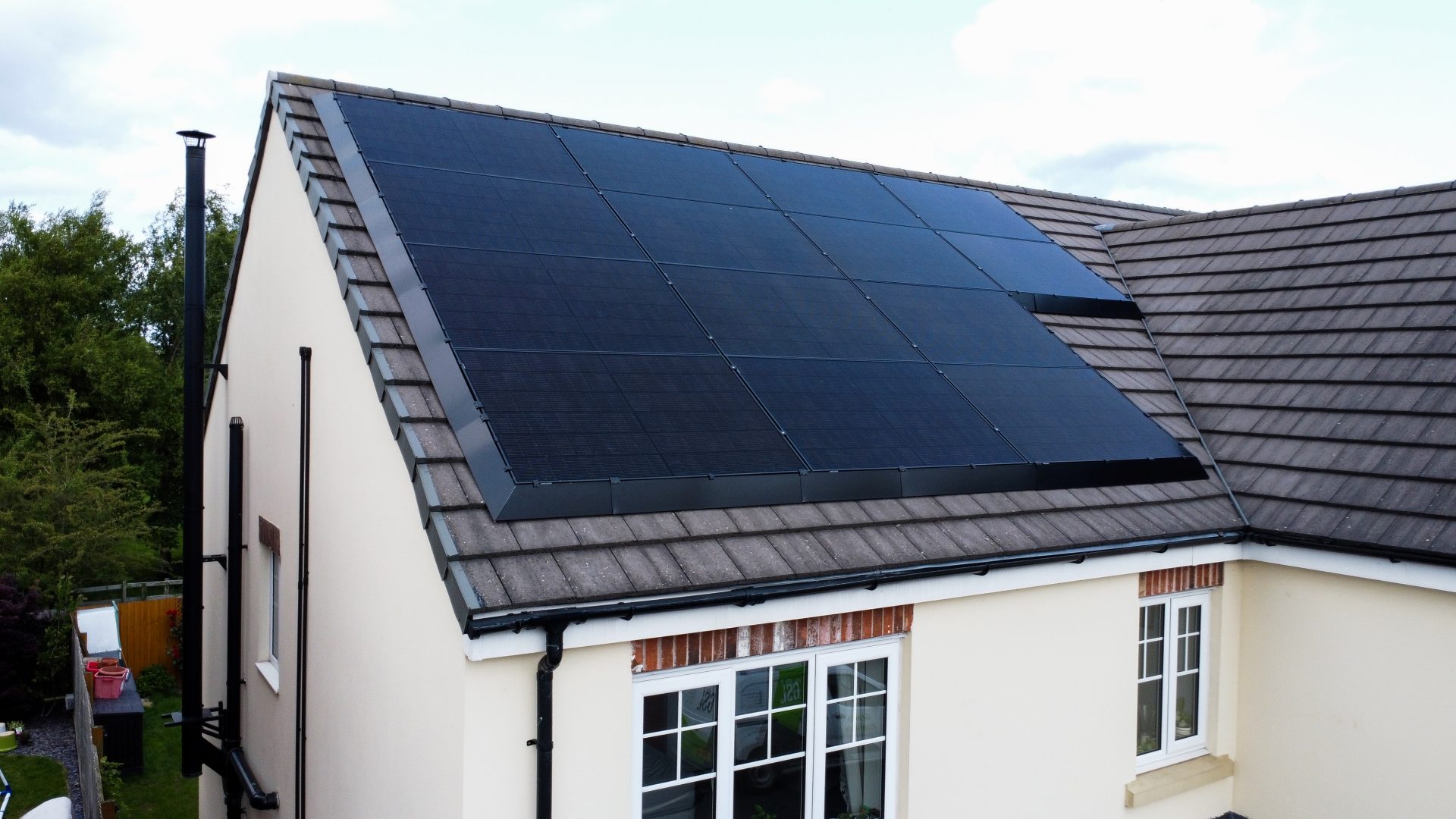
October 12th, 2026
Solar Panel Planning Permission: Do You Need It?
Written by: Gareth Whitehill
News
Read more
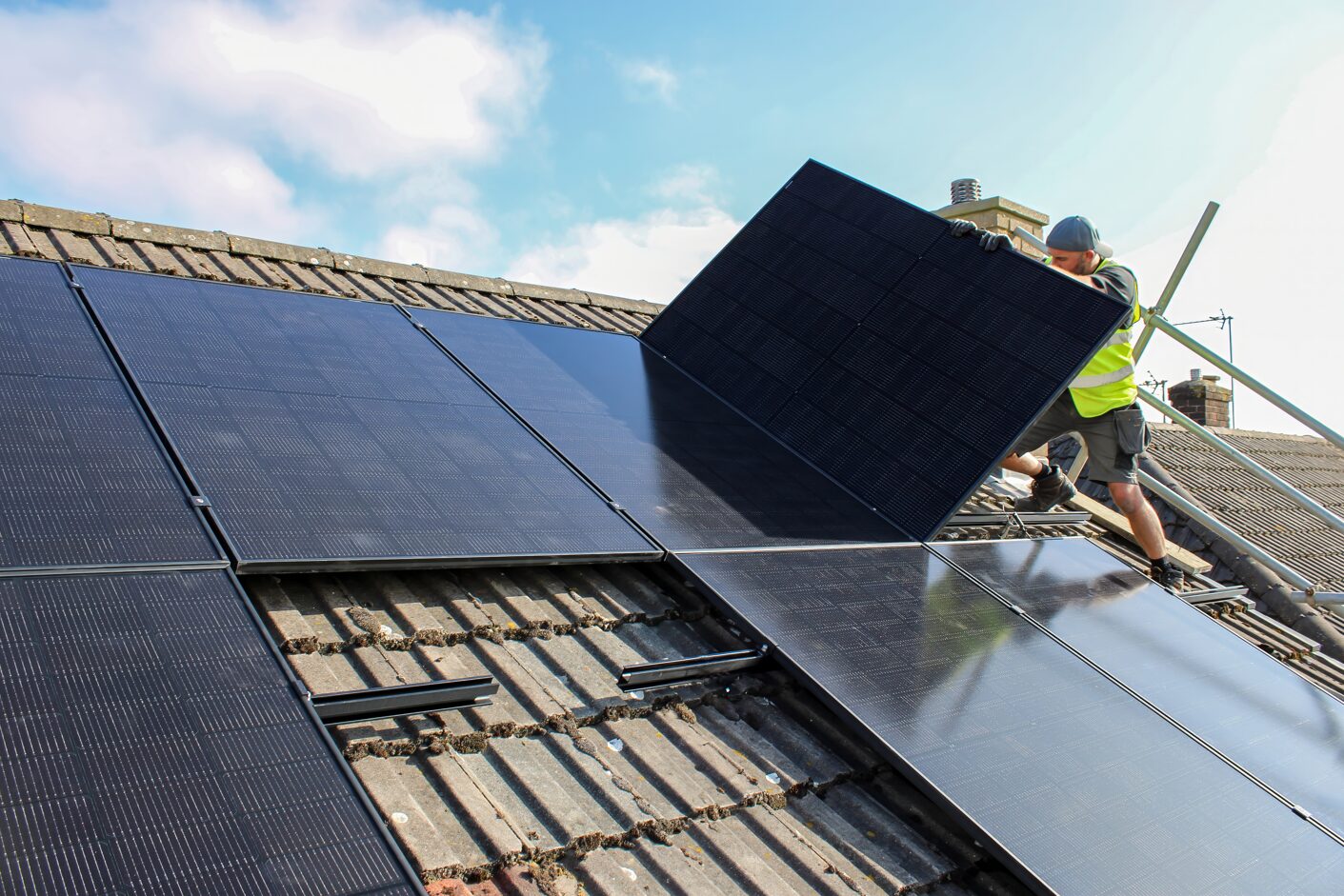
October 12th, 2026
Solar Panel VAT: 0% Relief Ends 31 March 2027
Written by: Gareth Whitehill
News
Read more
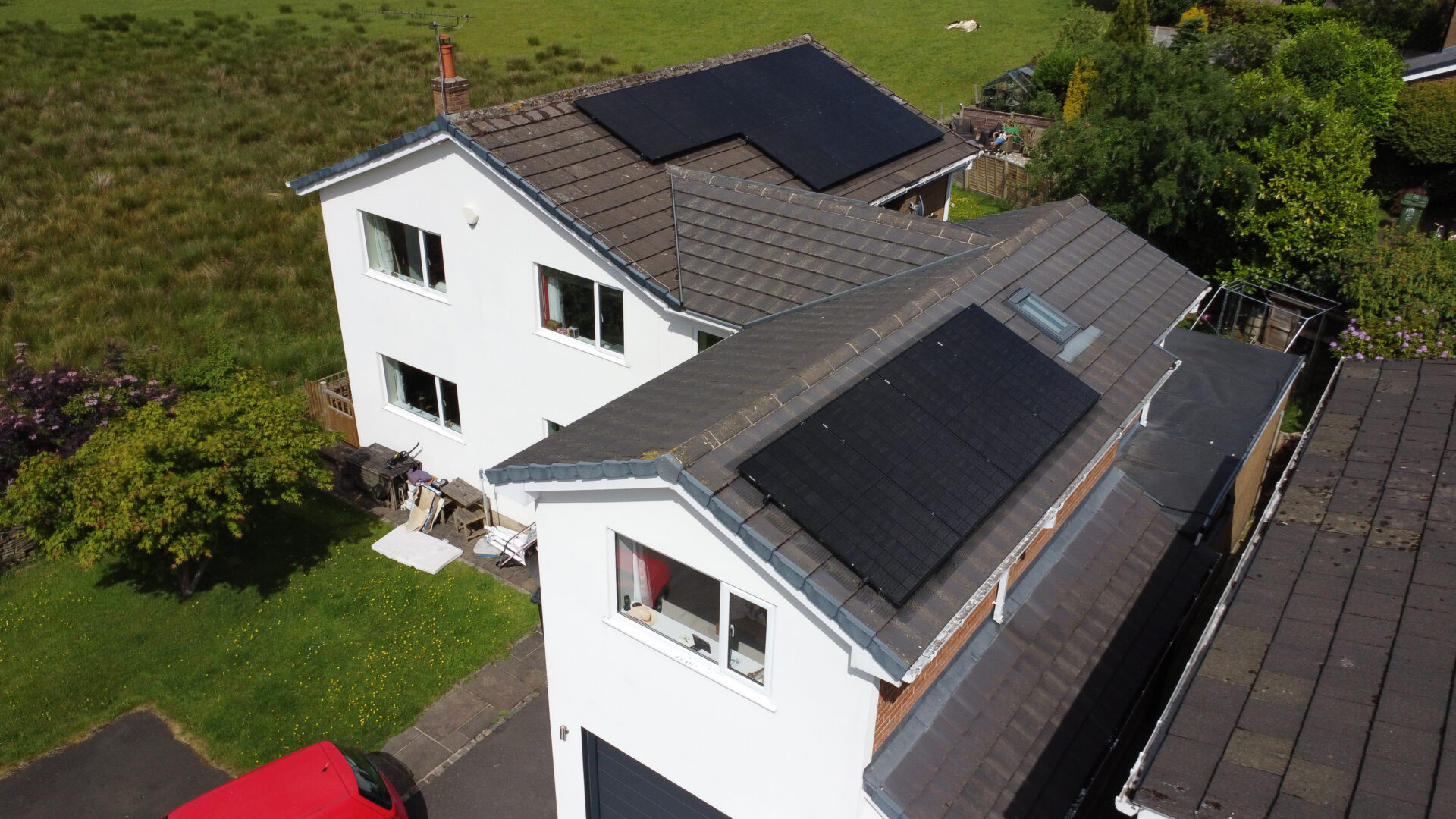
October 7th, 2026
Energy Price Cap October 2026: What It Means for You
Written by: Gareth Whitehill
News
Read more
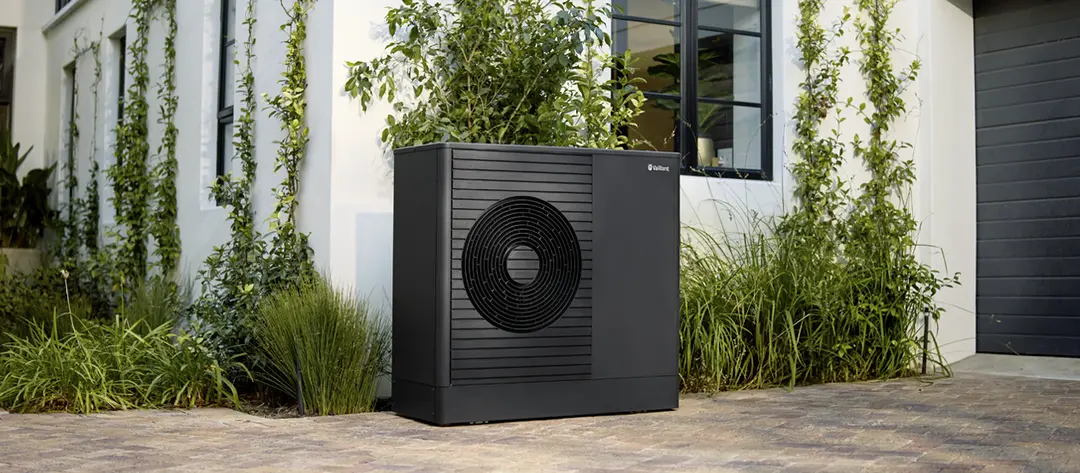
June 22nd, 2026
What the R290 Heat Pump Revolution Means for UK Homeowners
Written by: Gareth Whitehill
News
Read more
June 21st, 2026
Plug-in solar panels UK — what they are vs rooftop solar
Written by: Gareth Whitehill
News
Read more
June 15th, 2026
Community Battery Storage UK: What the Government’s New Plans Mean for Homeowners
Written by: Gareth Whitehill
News