
Read more
November 5th, 2026
Add Battery to Existing Solar: UK Homeowner Guide
Written by: Gareth Whitehill
News
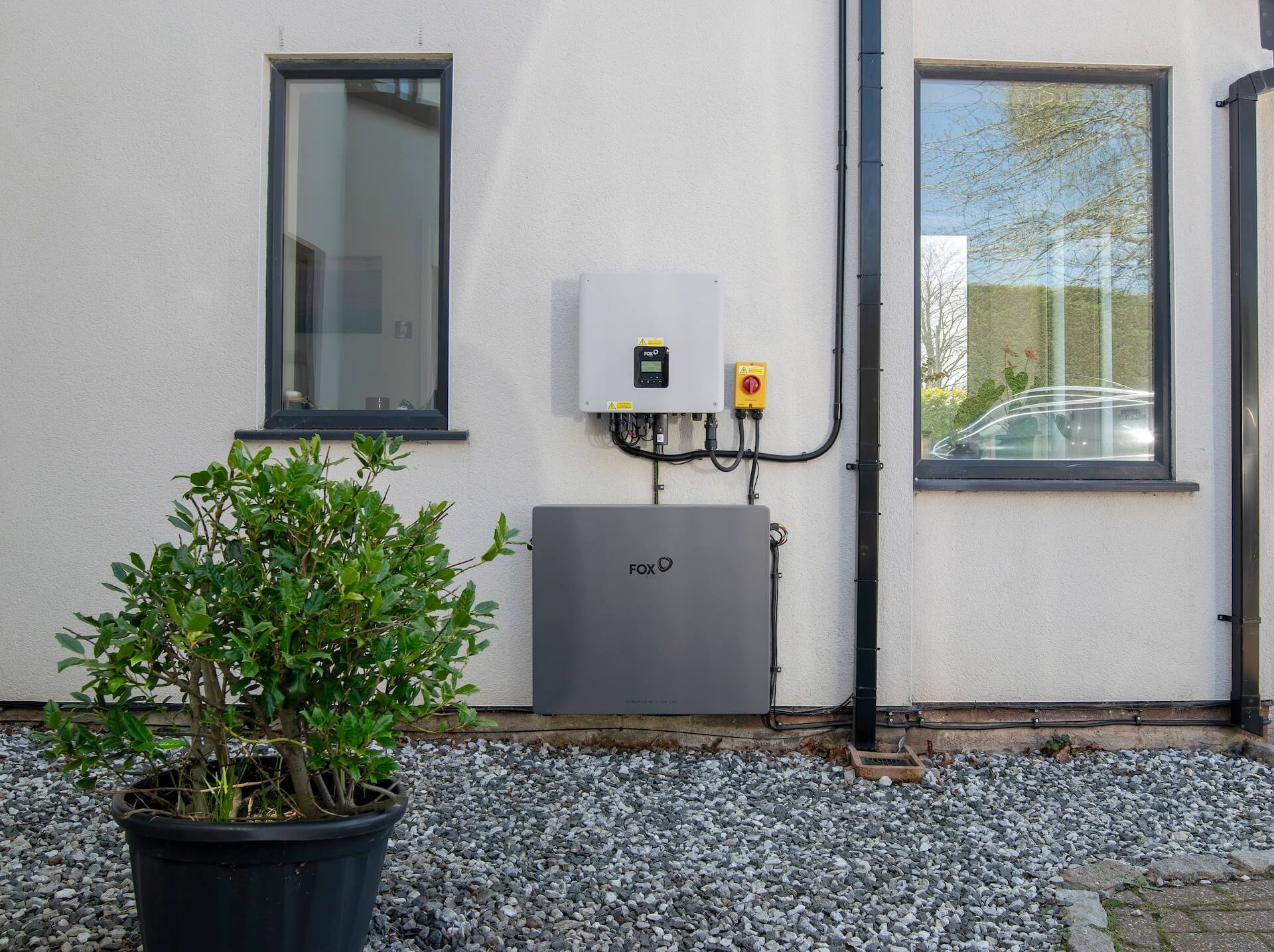
The Energy Independence Bill was introduced to Parliament on 4 November 2026, and one part of it matters directly if you own a home battery or are thinking of buying one. According to GOV.UK, the Energy Independence Bill would let government remove charges on electricity that households store and return to the grid. Nothing is law yet, so here is what is proposed and what it could mean for your plans.
The government describes the Energy Independence Bill as a first step towards longer-term energy reform. It was introduced on 4 November 2026 and the measures are proposals, so they still have to pass through Parliament before they change anything. You can read the government’s own summary in its announcement on GOV.UK.
The Bill covers a lot of ground, from gas bills to the grid. Most of it will not touch your roof or your garage, but two proposals are aimed squarely at batteries.
The first proposal is about charges. GOV.UK says consumers currently face charges on electricity they store and return to the grid, and the Bill would enable those charges to be removed. The stated aim is to help households and businesses benefit from batteries and vehicle-to-grid charging. If you store spare solar power and later send some back to the grid, that is the kind of use the change is meant to help.
The second proposal is about smart technology. The Bill would let government, if needed, require batteries to have smart capabilities, so that people can use and store electricity when it is cheaper. In plain terms, a battery that can respond to price signals is likely to be more useful than one that cannot.
It is worth being clear about what the announcement does not say. It gives no date for either change, no detail on how a smart requirement would work, and no export tariff rates. Until the details are published, treat both as direction of travel rather than a promise.
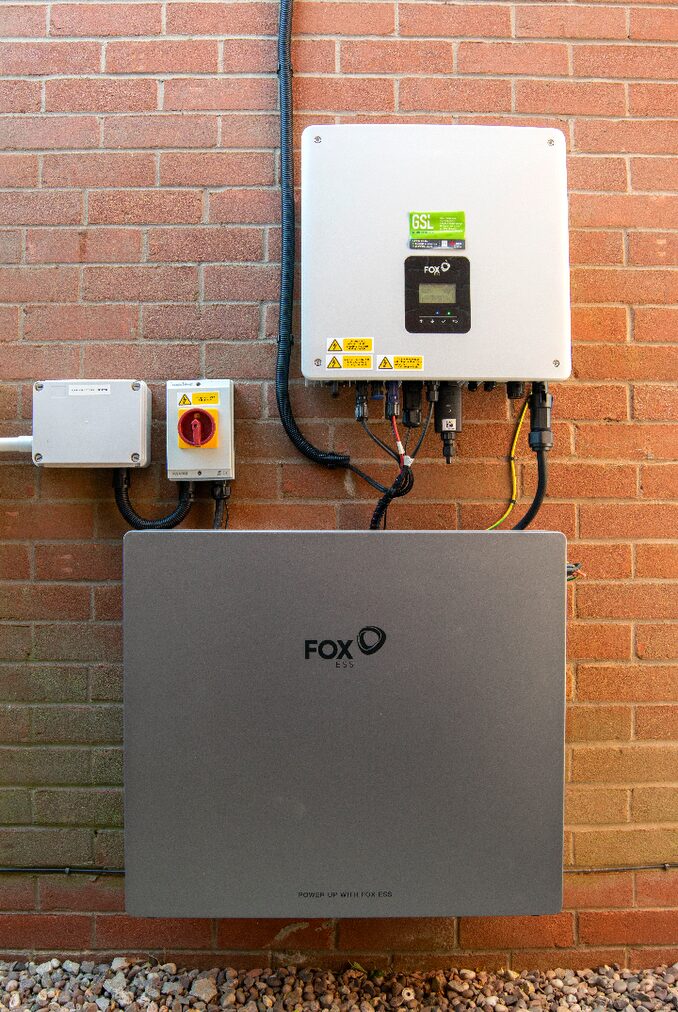
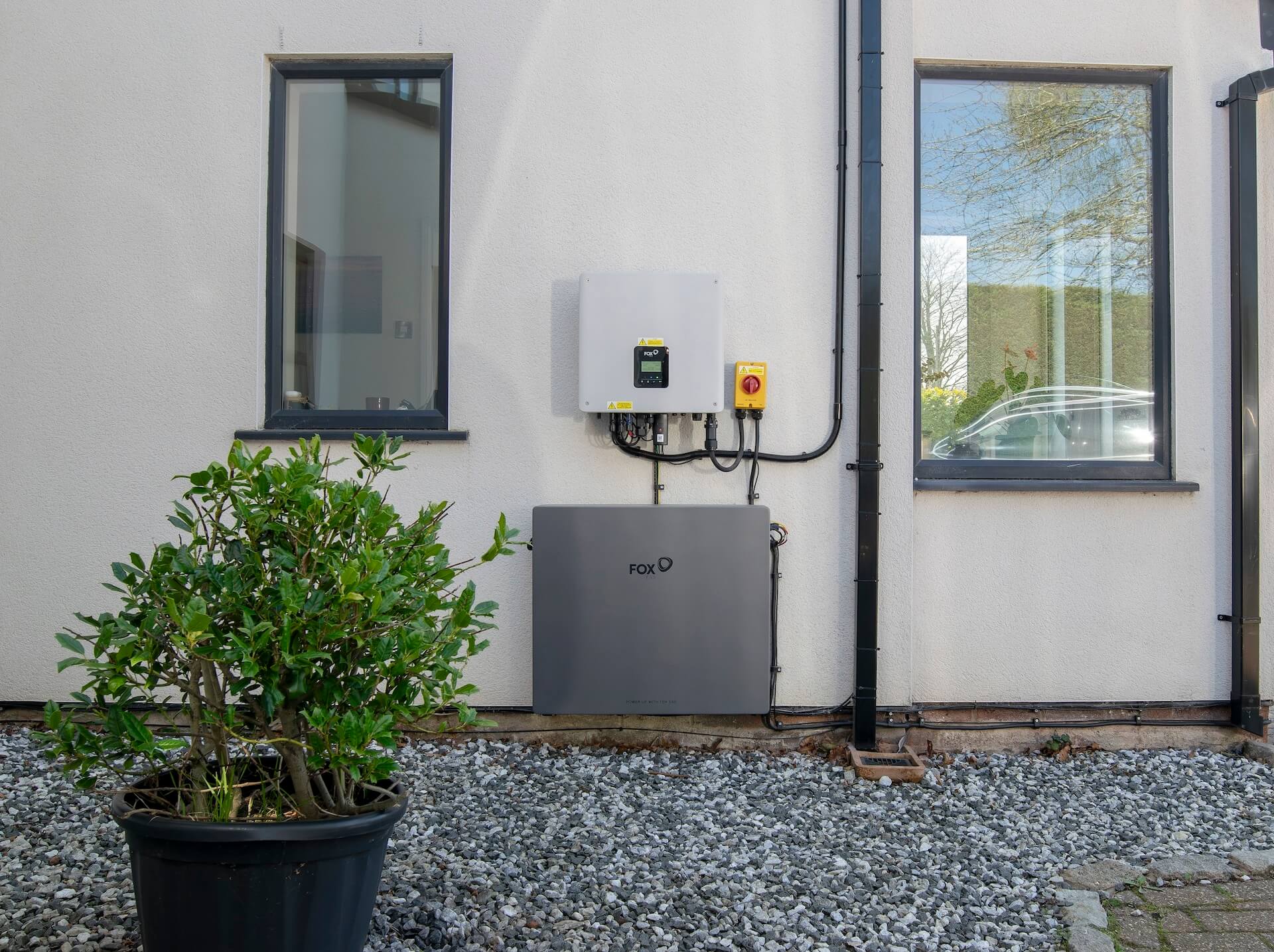
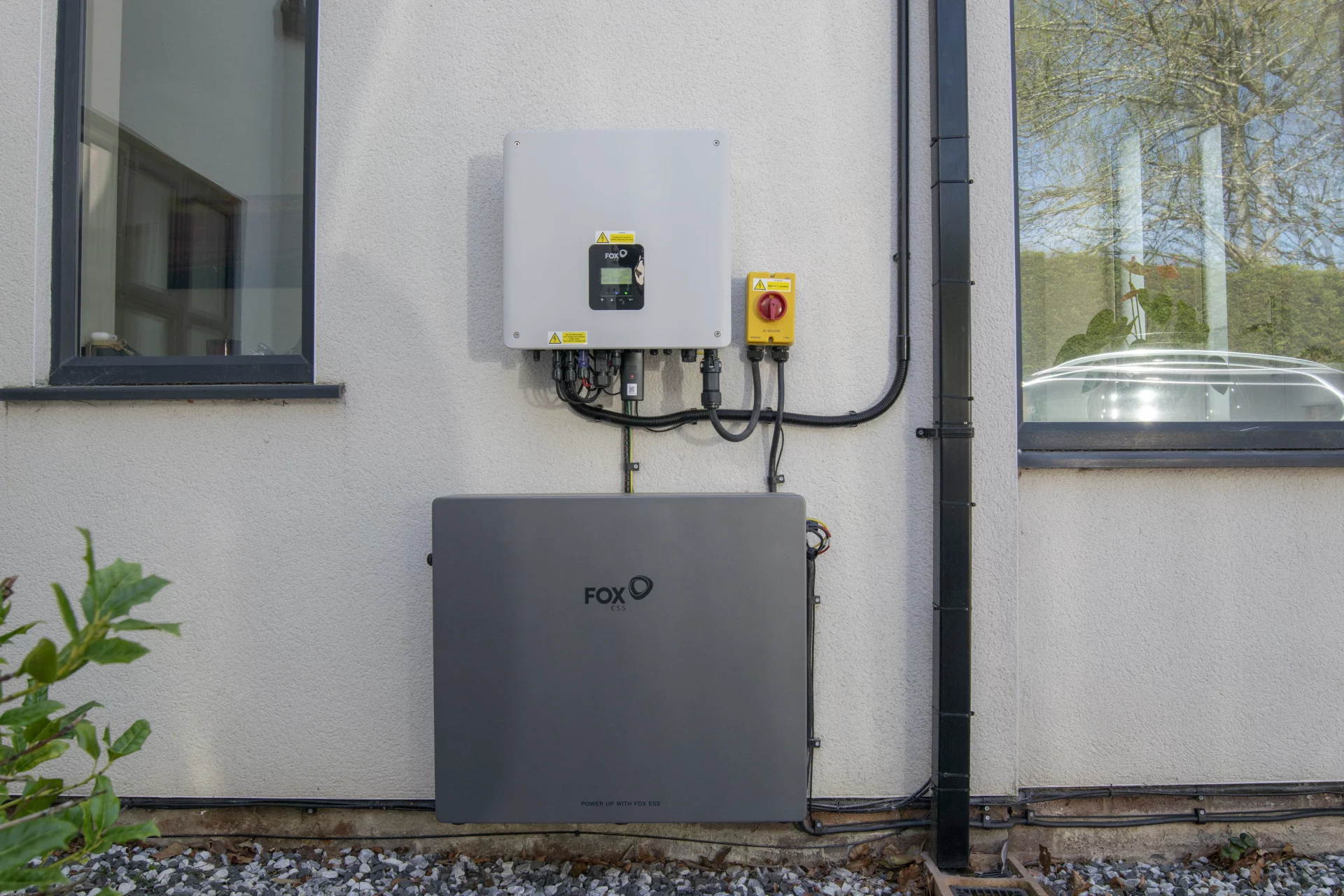
Not yet. At Grant Store, the FoxESS EP6 and EP12 are our primary recommendation for most homes, and Sigenergy SigenStor is available as a premium upgrade. Because the smart requirements have not been written, nobody can honestly say today which products would meet them. What you can do is ask your installer how a battery would be set up, whether it can follow time-of-use tariffs, and how it could be updated later.
If you want the wider picture on storage, our guides to battery storage and community battery storage explain how batteries fit into the UK energy system.
GOV.UK lists several other measures. The government will amend the Bill to scrap daily standing charges on household gas bills, which it says affects around 23 million households, with around 60% of gas account holders expected to save an average of £45 a year. It would also put on a lasting legal footing the move of 75% of domestic Renewables Obligation costs from bills to public spending, which it says has already removed around £90 a year from the average bill, with funding secured to March 2029.
For anyone considering a heat pump, the Bill would place the Warm Homes Agency in law to help families access support for home upgrades. The announcement does not detail heat pump grants or eligibility. For what is available now, see our posts on the Warm Homes Loan and the reported heat pump subsidy cut.
Landlords should note that councils would get stronger enforcement powers, with fines of up to £30,000, linked to EPC C from 1 October 2030.
We would not base a decision on a Bill that has only just been introduced. Proposals can change as they pass through Parliament, and a battery earns its keep through daily use, not headlines. A better approach is to size your system around how you actually use electricity. Our solar calculator is a good first step, and our page on solar energy covers how panels and batteries work together.
If the proposals do become law, a well-designed system installed by an MCS-certified company should be in a good position to take advantage. If they change or stall, you will still have a battery that does its job today.
Grant Store is MCS-certified, an Octopus Trusted Partner and FCA authorised, based in Wigan and installing solar, battery storage and air source heat pumps for homeowners across England. Get an instant battery estimate at quote.grant-store.com/battery, or call us on 01942 918844.
Written by Gareth Whitehill
Get a quote
Choose what you’d like a quote for and our expert team will be in touch with tailored recommendations and pricing.
Choose a quote type
Excellent 4.8 out of 5
Our blog
Read more
November 5th, 2026
Add Battery to Existing Solar: UK Homeowner Guide
Written by: Gareth Whitehill
News
Read more
October 27th, 2026
Warm Homes Loan Launched: Up to £20,000 for Solar, Batteries and Heat Pumps
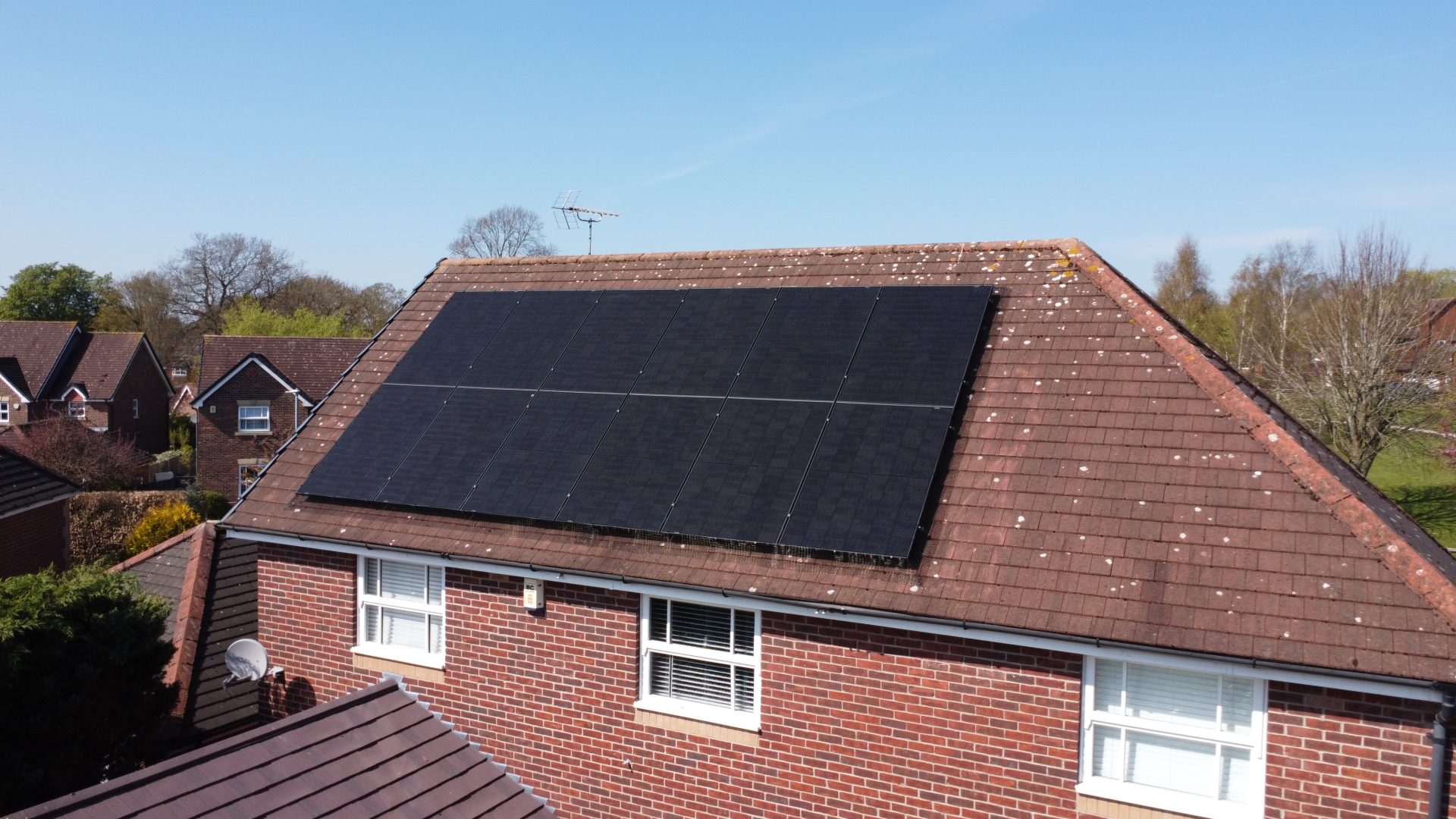
The government has launched the Warm Homes Loan, with low and 0% interest loans for solar panels, batteries and heat pumps. Here is who qualifies, how much you can borrow and how to apply.
Written by: Gareth Whitehill
News
Read more
October 12th, 2026
Heat Pump Subsidy Cut: What Homeowners Should Know
Written by: Gareth Whitehill
News
Read more
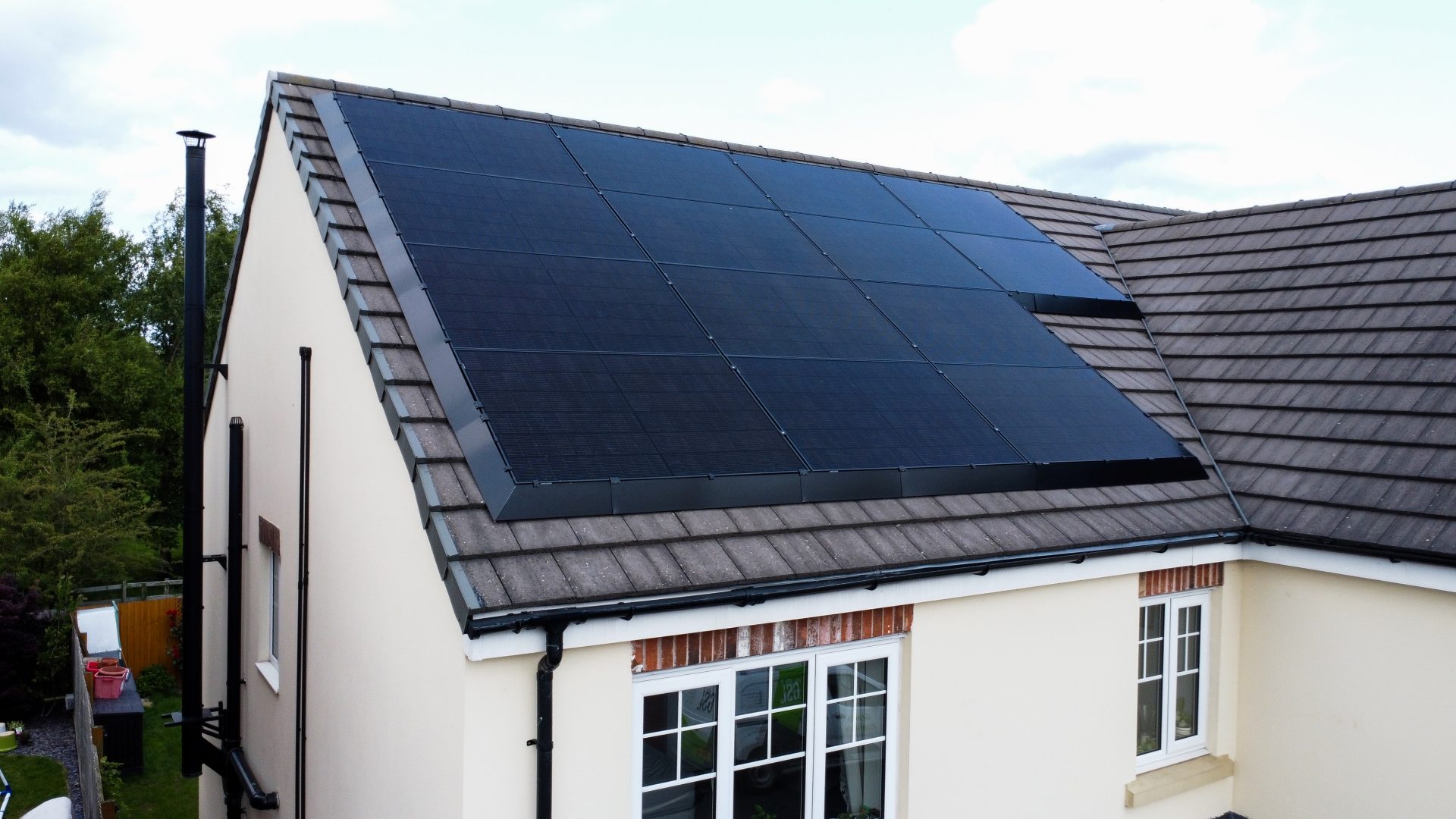
October 12th, 2026
Solar Panel Planning Permission: Do You Need It?
Written by: Gareth Whitehill
News
Read more
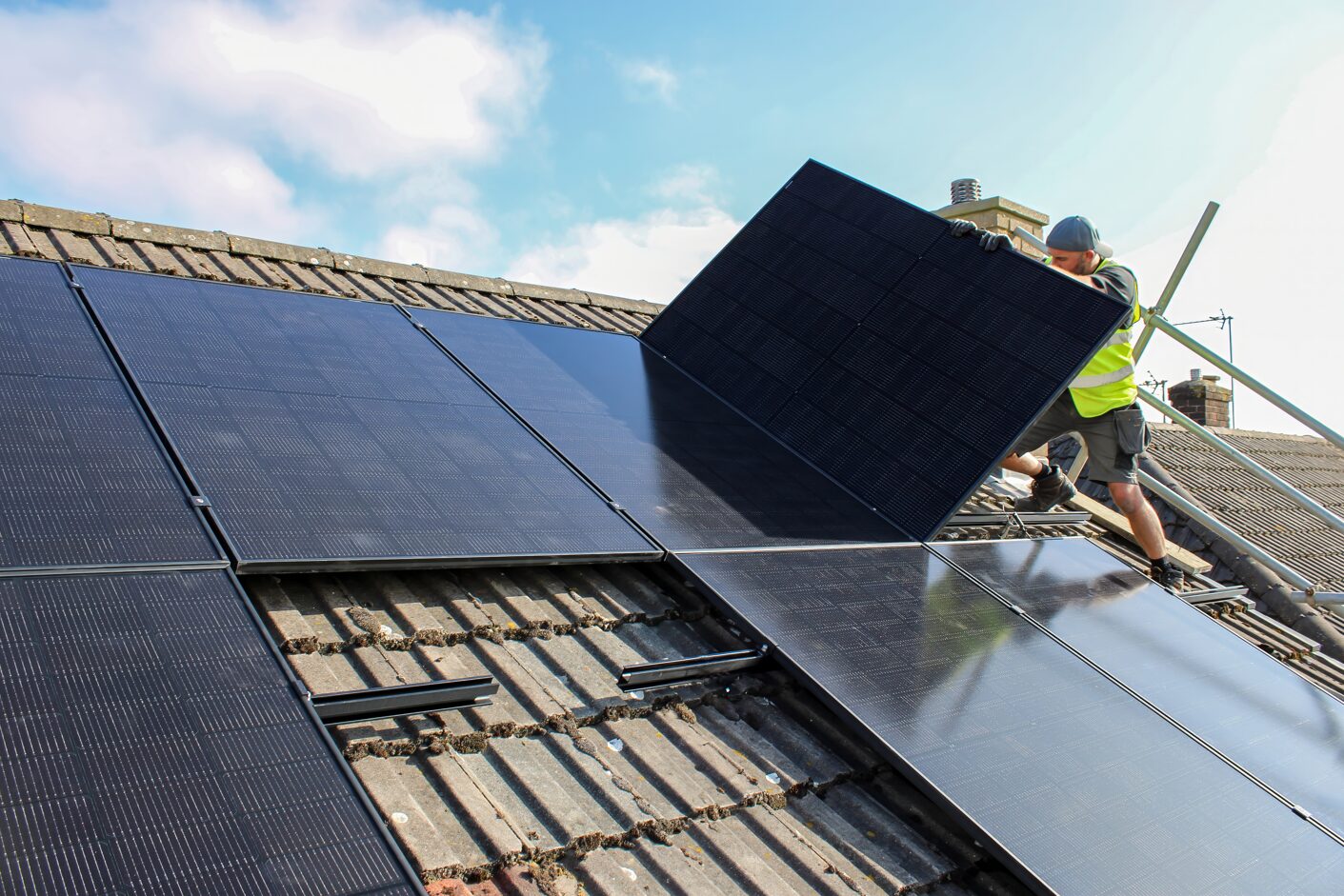
October 12th, 2026
Solar Panel VAT: 0% Relief Ends 31 March 2027
Written by: Gareth Whitehill
News
Read more

October 7th, 2026
Energy Price Cap October 2026: What It Means for You
Written by: Gareth Whitehill
News
Read more
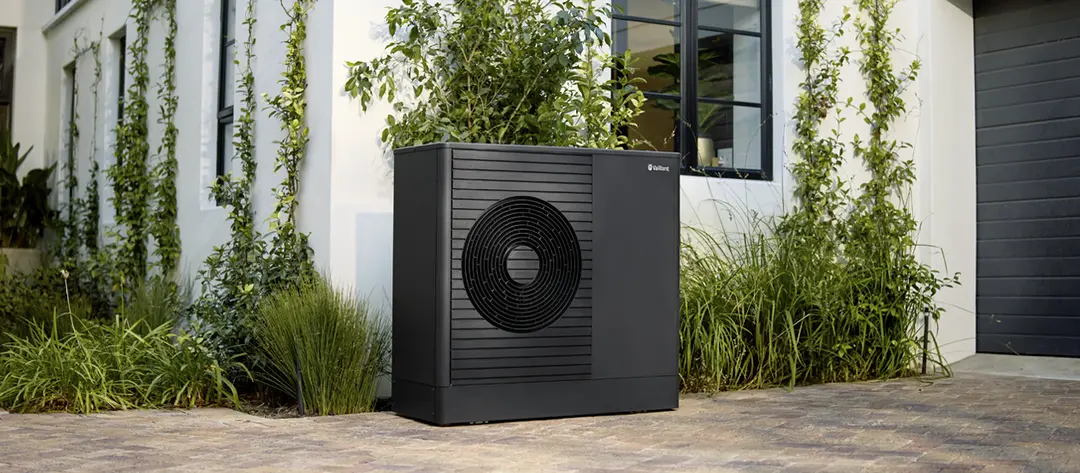
June 22nd, 2026
What the R290 Heat Pump Revolution Means for UK Homeowners
Written by: Gareth Whitehill
News
Read more
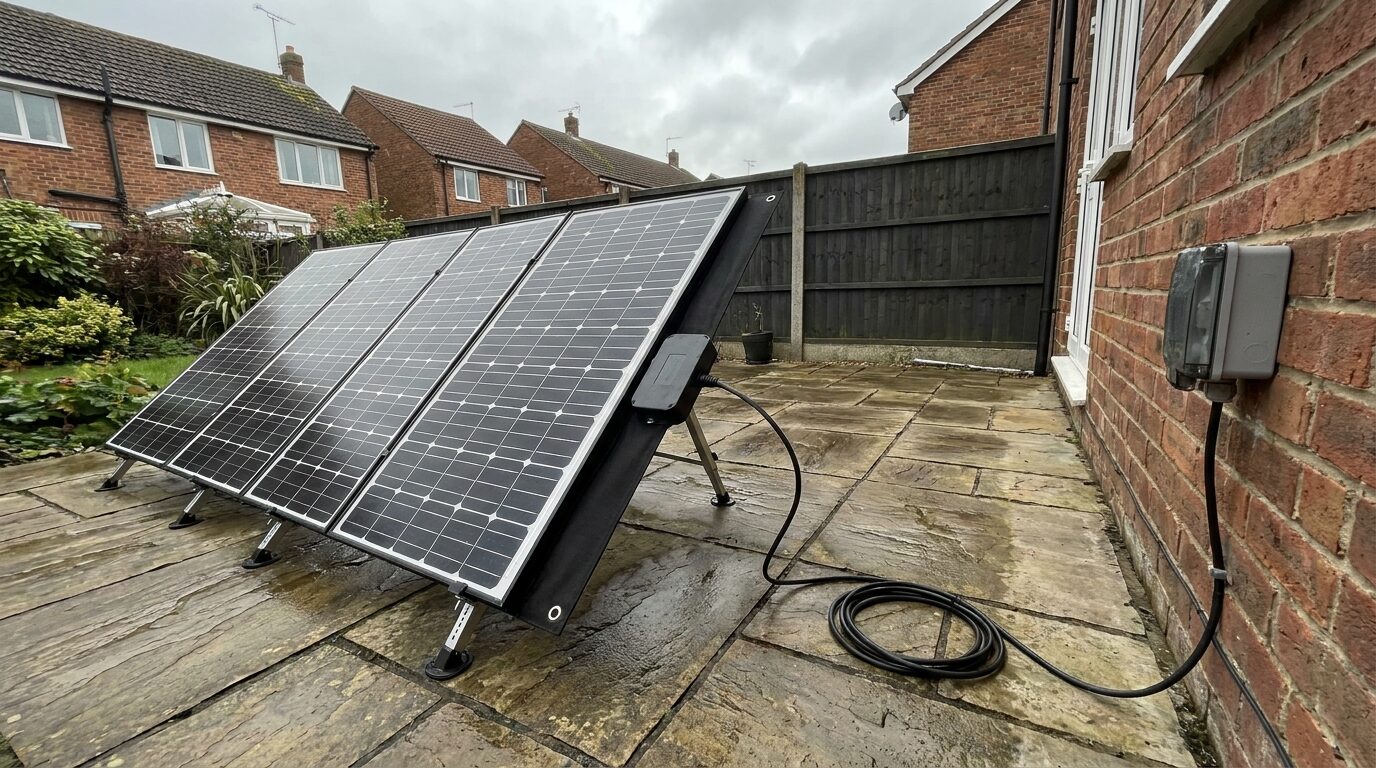
June 21st, 2026
Plug-in solar panels UK — what they are vs rooftop solar
Written by: Gareth Whitehill
News
Read more
June 15th, 2026
Community Battery Storage UK: What the Government’s New Plans Mean for Homeowners
Written by: Gareth Whitehill
News