


Read more
October 12th, 2026
Heat Pump Subsidy Cut: What Homeowners Should Know
Written by: Gareth Whitehill
News
Choose solar PV if you want to cut electricity bills and power your home. Go for solar water heating if your main focus is cheaper hot water. For most UK homes, solar PV is the smarter, more cost-effective, and flexible choice.
Choose solar PV if you want to cut electricity bills and power your home. Go for solar water heating if your main focus is cheaper hot water. For most UK homes, solar PV is the smarter, more cost-effective, and flexible choice.
Thinking about going solar but not sure which system suits your home best? You’re not alone. For many UK homeowners, the choice between solar PV (which generates electricity) and solar water heating (which warms your water) isn’t immediately clear.
Both options can help you cut bills and rely less on the grid – but they work in very different ways, and choosing the wrong one could mean missing out on the real savings your home needs.
In this guide, we’ll break down the difference between solar PV and solar thermal systems, compare costs, performance, and maintenance, and help you decide which one is the better fit for your property.
Jump to:
The two main types of solar systems available for homes in the UK are solar photovoltaic (PV) and solar water heating, also known as solar thermal. While both use daylight, they serve very different purposes.
The key difference? Solar PV = electricity. Solar thermal = hot water. Choosing the right one depends on your household’s energy use and priorities.
Solar PV systems generate electricity from sunlight, while solar thermal systems use sunlight to heat water for your home. Both are roof-mounted but serve different energy needs. Let’s take a closer look at how each system works.
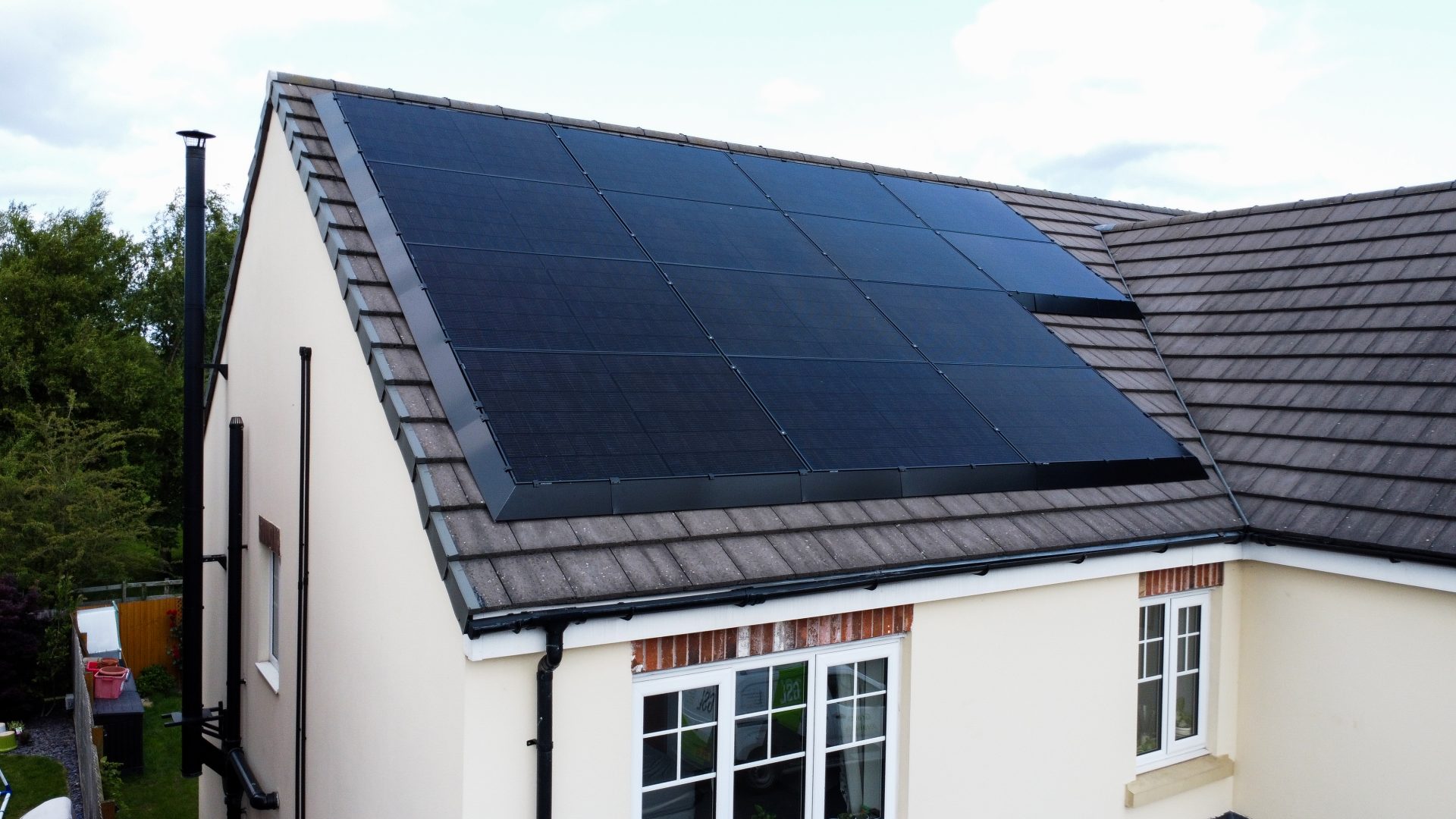
Solar PV panels are made up of photovoltaic cells, usually from silicon. When sunlight hits these cells, it creates a flow of electricity through a process called the photovoltaic effect. This generates direct current (DC) electricity, which is then converted into alternating current (AC) by an inverter – the type used in your home.
This electricity can be:
PV panels work year-round and are ideal if your goal is to reduce electricity bills and increase energy independence.
Solar thermal systems (also called solar water heating systems) use collectors – usually flat-plate panels or evacuated tubes – mounted on your roof. These absorb sunlight and transfer the heat to a fluid (usually a mix of water and antifreeze) that flows through the system.
This heated fluid moves to a coil inside your hot water cylinder, warming the water for use in your home. It works alongside your existing boiler or immersion heater, topping up when sunlight alone isn’t enough.
Solar thermal is highly efficient at heating water and is best suited for homes with high hot water demand.
The best system for your home depends on your energy use. If your main priority is reducing electricity costs, solar PV is likely the better option. If you use a lot of hot water and want to cut those heating bills, solar thermal may suit you better.
Solar PV is best for…
Solar water heating is best for…
Solar PV systems tend to cost more upfront but give you more ways to save money and use cheaper energy. Solar thermal systems are generally cheaper to install, but are limited to heating your water. Here’s how the two compare in terms of cost, lifespan, and upkeep:
Solar PV: Installation typically costs between £6,000–£15,000, depending on system size, panel type, and whether extras like battery storage are included.
Solar Thermal: Costs are usually lower – around £3,000–£5,000 – as fewer panels are needed and the system is less complex.
PV systems qualify for the Smart Export Guarantee (SEG), which lets you earn by selling unused electricity back to the grid – something solar thermal doesn’t offer.
Solar PV panels: Most solar panels come with a 30-year performance guarantee, with little drop in efficiency over time. With the right care, they could last even longer. Inverters may need replacing after 10–15 years.
Solar thermal systems: Typically last 20–25 years too, but performance depends more on fluid quality and regular system checks.
Solar PV: Low maintenance, mainly visual inspections and keeping panels clean. An annual service is recommended.
Solar thermal: Requires more frequent maintenance – including fluid top-ups, pump checks, and occasional servicing – to maintain the best performance.
While both systems are durable, solar PV is generally easier to maintain long-term and has fewer moving parts.
Several UK schemes can help reduce the cost of going solar and improve your long-term return:
While grants are helpful, the real value lies in long-term savings. Solar PV can lower your electric bill, increase energy independence, and generate passive income through the SEG – giving it a financial edge in most UK homes.
Still weighing up solar water heating vs solar PV? Here’s the short version:
Both systems can reduce your energy costs and carbon footprint – but the right fit depends on how your household uses energy. Not sure which is best for your home? That’s where we come in.
If you’re looking to cut electricity bills, power your home more efficiently, and take control of rising energy costs, solar PV is the smart move.
At Grant Store, we specialise in high-quality solar PV installations across the UK. From helping you choose the right setup to a smooth, hassle-free install, our team is here to guide you every step of the way.
Reduce your energy bills, future-proof your home, and spread the cost with our All-Inclusive finance package – repairs and maintenance included!
Get your free, online solar quote today and take the first step to cheaper energy.
We are a UK leader for solar PV installations; we don’t currently offer solar thermal services. For homes and businesses across the UK, solar PV installations are the smarter, more cost-effective way to power your home. If you’re ready to make the switch to cheaper, greener energy, get in touch for your free quote.
Get a quote
Choose what you’d like a quote for and our expert team will be in touch with tailored recommendations and pricing.
Choose a quote type
Excellent 4.8 out of 5
Our blog
Read more
October 12th, 2026
Heat Pump Subsidy Cut: What Homeowners Should Know
Written by: Gareth Whitehill
News
Read more
October 12th, 2026
Solar Panel Planning Permission: Do You Need It?
Written by: Gareth Whitehill
News
Read more
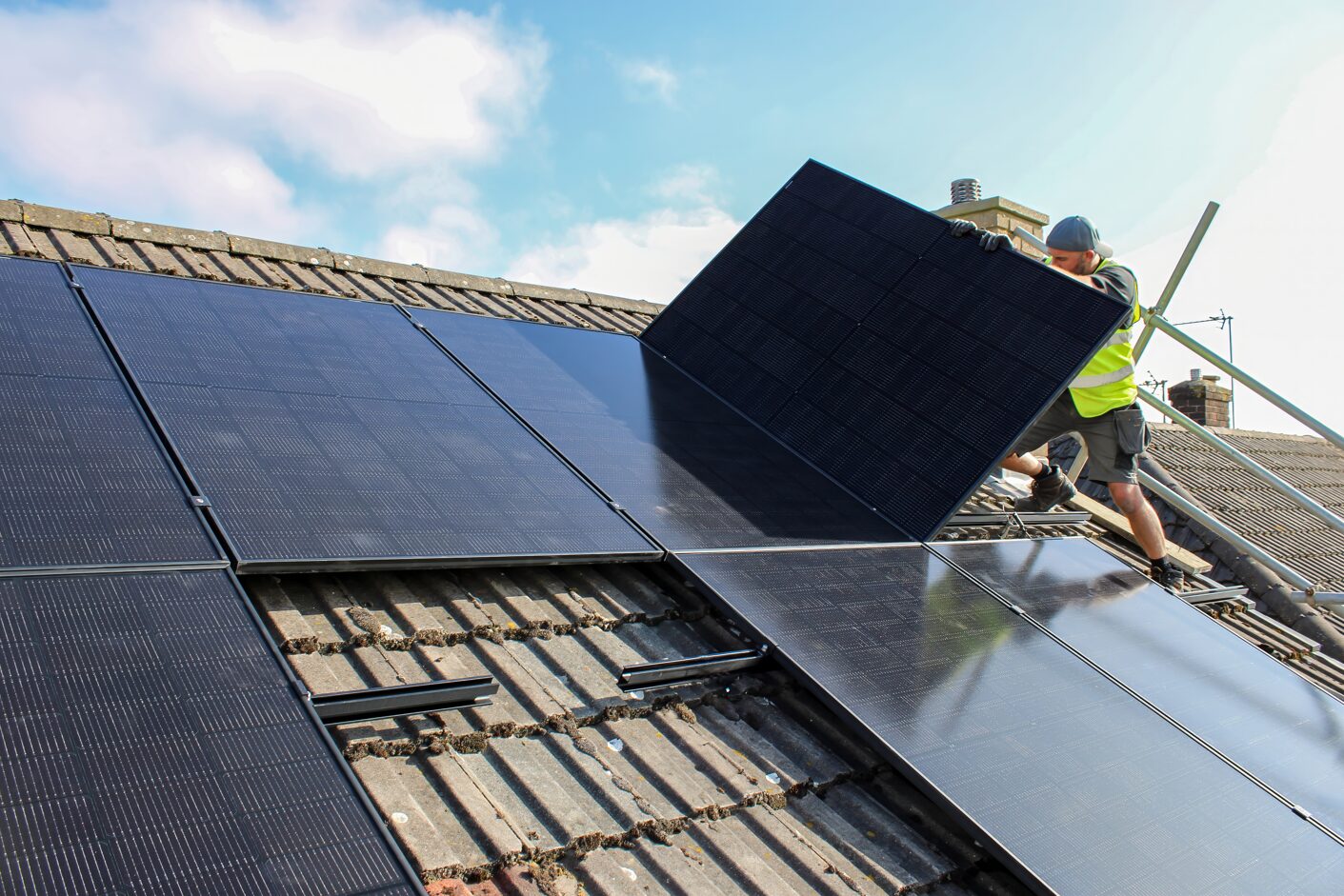
October 12th, 2026
Solar Panel VAT: 0% Relief Ends 31 March 2027
Written by: Gareth Whitehill
News
Read more
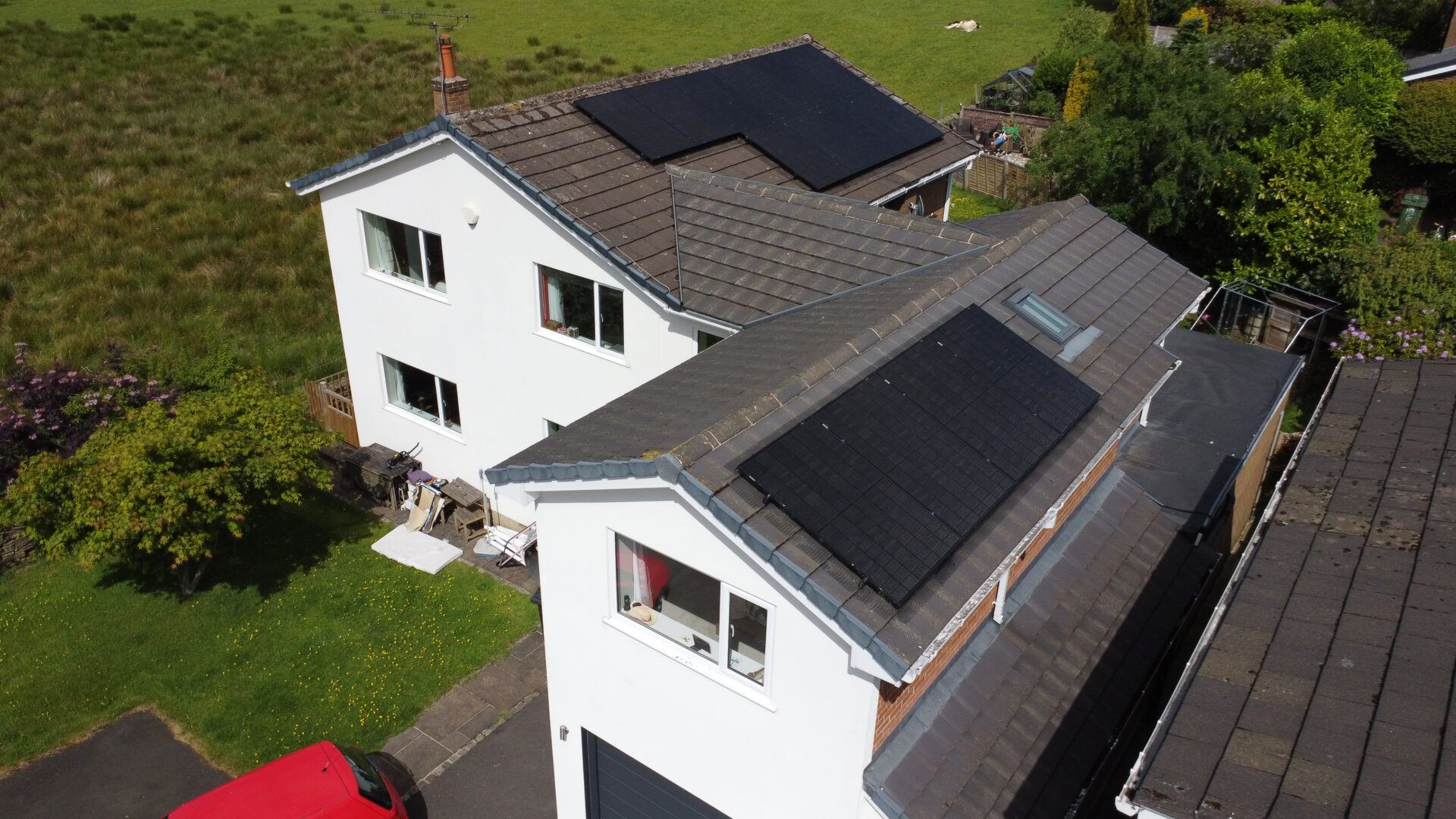
October 7th, 2026
Energy Price Cap October 2026: What It Means for You
Written by: Gareth Whitehill
News
Read more
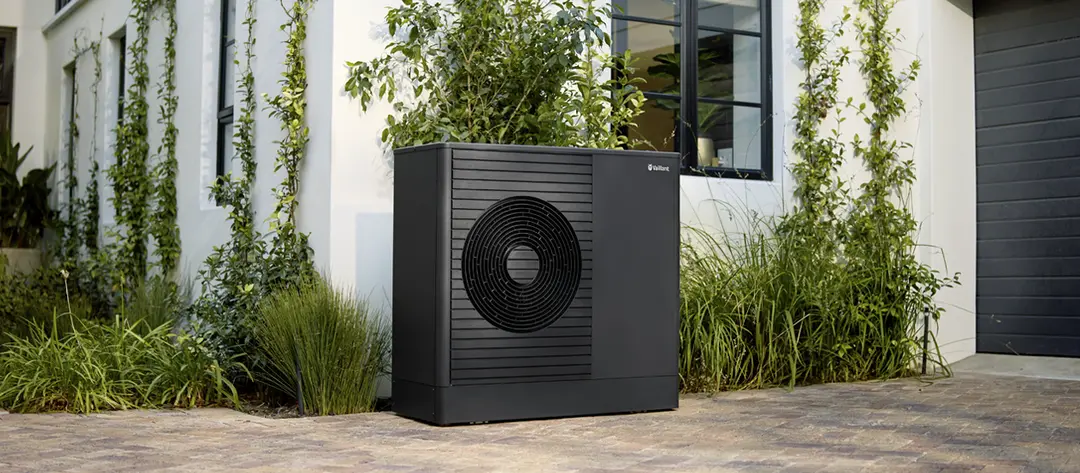
June 22nd, 2026
What the R290 Heat Pump Revolution Means for UK Homeowners
Written by: Gareth Whitehill
News
Read more
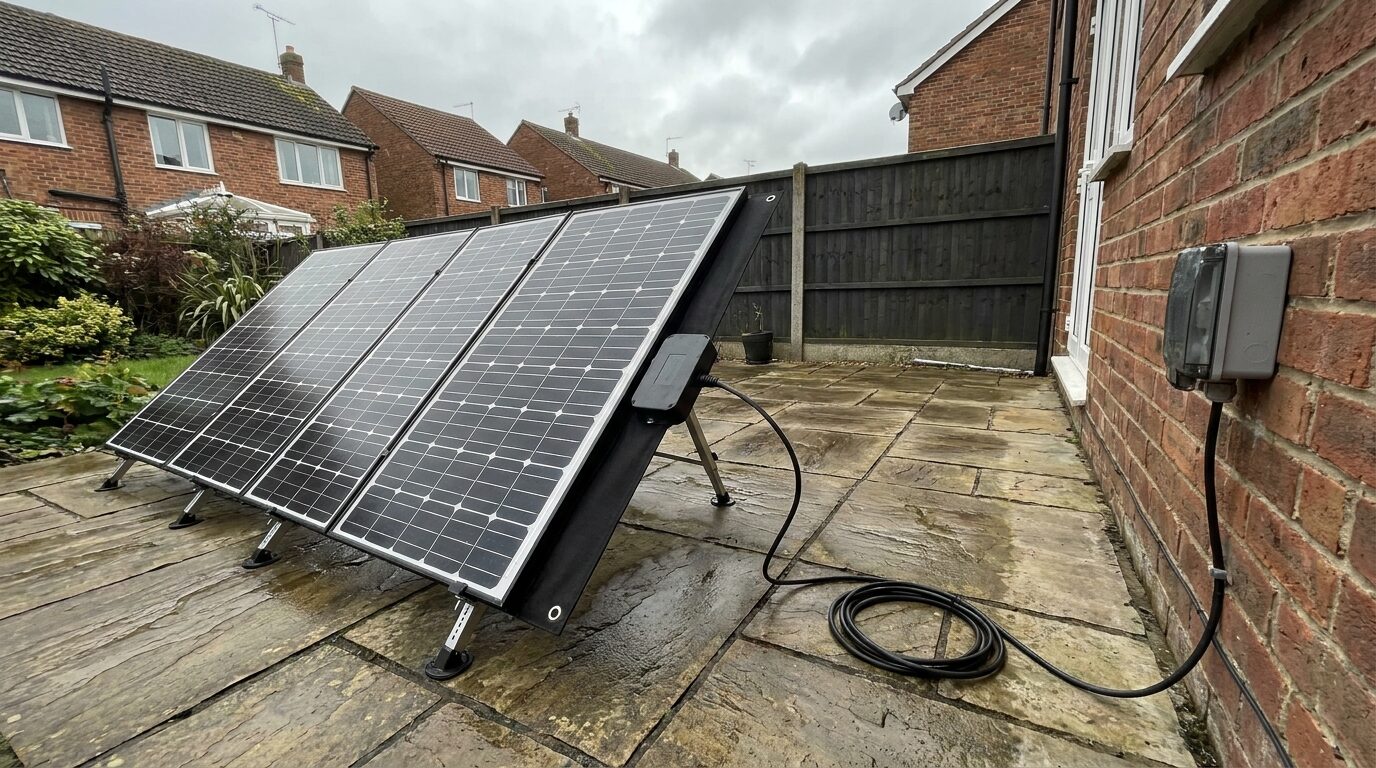
June 21st, 2026
Plug-in solar panels UK — what they are vs rooftop solar
Written by: Gareth Whitehill
News
Read more
June 15th, 2026
Community Battery Storage UK: What the Government’s New Plans Mean for Homeowners
Written by: Gareth Whitehill
News
Read more
June 12th, 2026
Electricity Prices Are Rising Again in July — Here’s What Solar and Battery Storage Can Do About It
Written by: Gareth Whitehill
News
Read more

June 10th, 2026
Solar Panels 2026: The UK Hits 2 Million Installations
Written by: Gareth Whitehill
News