
Read more
October 7th, 2026
Energy Price Cap October 2026: What It Means for You
Written by: Gareth Whitehill
News
A solar panel inverter is a key part of any solar system. It converts the electricity your panels generate into power your home can actually use. Without one, your solar setup won’t work.
In this guide, we’ll explain what an inverter does, how it works, the different types available, and how long they last.
Jump to:
A solar inverter is a device that converts direct current (DC) electricity generated by your solar panels into alternating current (AC) electricity, which powers your home.
Inverters are necessary in any solar panel system because most home appliances use AC power, not DC. Without an inverter, the energy your panels collect can’t be used to run your appliances.
Solar panels collect energy from sunlight and generate DC electricity, whereas solar inverters convert that DC electricity into usable AC electricity. In short:
A solar inverter works by taking the DC electricity from your solar panels and converting it into AC electricity through internal circuits. The inverter monitors the power flow and decides whether to send energy into your home, the solar battery storage, or the electrical grid.
This is known as conversion efficiency. A good inverter does this quickly and with very little energy loss.
Whether a solar inverter needs mains power depends on the type of inverter you have. Grid-tied inverters (the most common kind in UK homes) do require a connection to the mains, as they need to synchronise with the electric grid to work safely. Off-grid and hybrid inverters can work outside of the grid, as they rely on battery storage to supply power when there isn’t enough daylight.
There are several different types of inverters, each for different setups:
String inverters are the most common inverters in home solar systems. They connect a “string” of solar panels to a single inverter.
Central inverters are similar to string inverters but are built for much larger systems. You’ll typically find them in commercial or industrial installations like solar farms. They can handle higher capacity and manage several panel arrays at once, making them perfect for large-scale energy production.
Off-grid inverters are designed for properties that aren’t connected to the national grid. They work alongside battery storage to supply continuous power, day and night. They’re often used in remote locations and are built to manage solar input and stored energy without needing to rely on other sources of electricity.
Power optimisers are installed on each individual solar panel and are usually paired with a string inverter. Their main benefit is improving system performance when panels are facing different directions or are partially shaded. By managing the output of each panel independently, they help reduce the energy loss you’d get with a standard string system.
Yes, solar panels can run an inverter without a battery. In fact, most grid-tied solar systems work this way. The panel generates power during the day, the inverter converts it, and any excess energy is sent to the grid. However, without a solar battery (and emergency power supply), you won’t be able to store energy for use at night or during a power cut.
Thinking about going solar but not sure where to start? Speak to the team at Grant Store today – we’ll make sense of it all and help you get the best setup for your space. Get in touch now!
A hybrid solar inverter combines solar energy conversion and battery system management in one unit by:
It’s a great option if you want more control over your energy use and plan to add battery storage, either now or in the future.
Solar doesn’t need to be complicated. With the right inverter, you can power your home, cut costs, and reduce your reliance on the grid – and Grant Store can help you get it right from day one. Start now with your free quote!
Most solar inverters last 10 to 15 years, but some modern models come with warranties of up to 20 years, depending on the brand and usage. Factors that affect inverter lifespan include:
Because the inverter handles daily conversions and monitoring, it’s often the first component to wear out in a solar panel system. Regular checking and cleaning can help your solar inverter last even longer.
Yes, a solar inverter is worth it – because without one, your solar panels can’t power anything in your home. It’s the inverter that converts the sun’s DC electricity into usable AC electricity. Whether you’re connected to the national grid or using an off-grid system, the inverter makes your solar setup work.
Get a quote
Choose what you’d like a quote for and our expert team will be in touch with tailored recommendations and pricing.
Choose a quote type
Excellent 4.8 out of 5
Our blog
Read more
October 7th, 2026
Energy Price Cap October 2026: What It Means for You
Written by: Gareth Whitehill
News
Read more
June 22nd, 2026
What the R290 Heat Pump Revolution Means for UK Homeowners
Written by: Gareth Whitehill
News
Read more
June 21st, 2026
Plug-in solar panels UK — what they are vs rooftop solar
Written by: Gareth Whitehill
News
Read more
June 15th, 2026
Community Battery Storage UK: What the Government’s New Plans Mean for Homeowners
Written by: Gareth Whitehill
News
Read more
June 12th, 2026
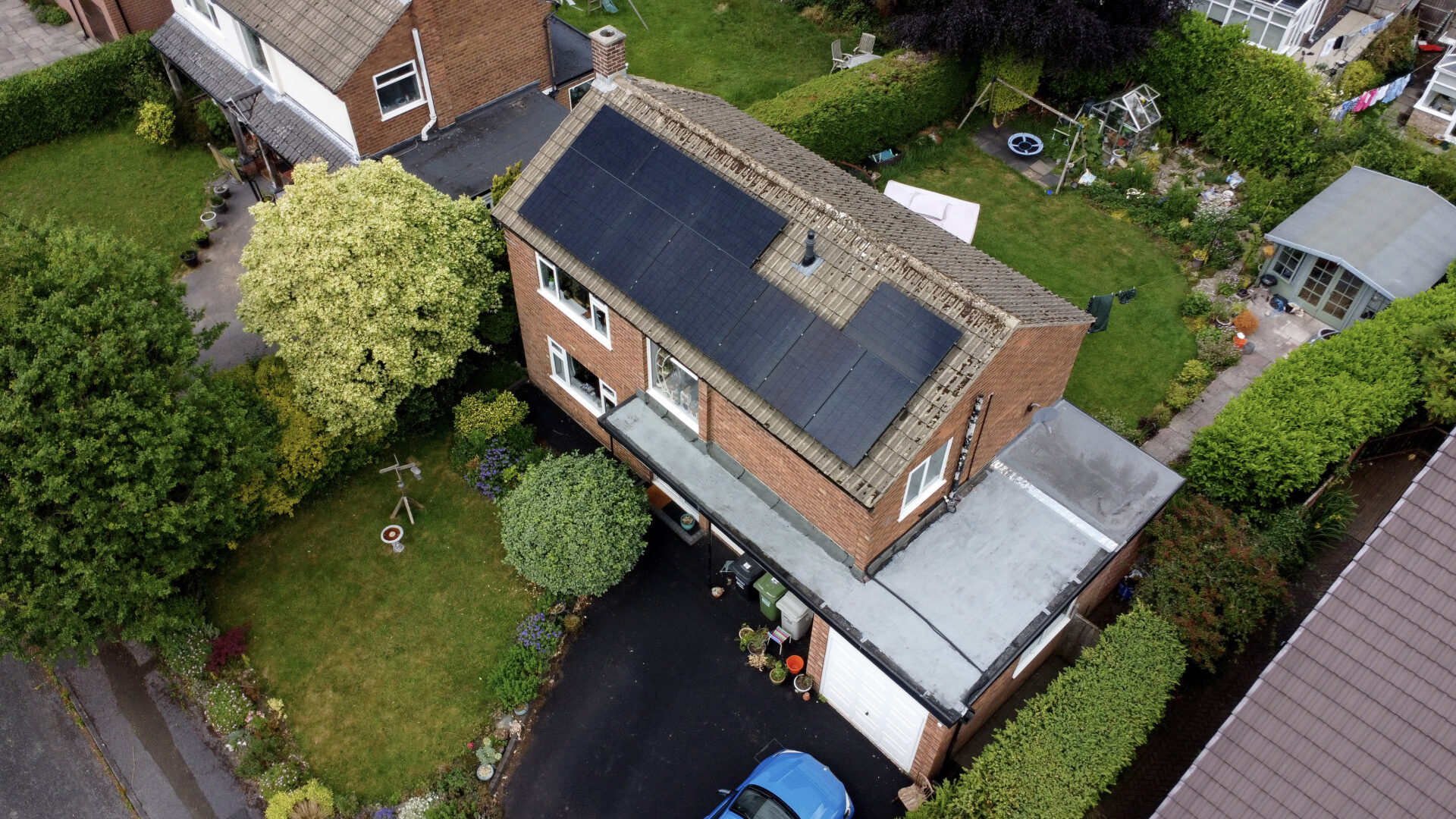
Electricity Prices Are Rising Again in July — Here’s What Solar and Battery Storage Can Do About It
Written by: Gareth Whitehill
News
Read more

June 10th, 2026
Solar Panels 2026: The UK Hits 2 Million Installations
Written by: Gareth Whitehill
News
Read more
June 9th, 2026
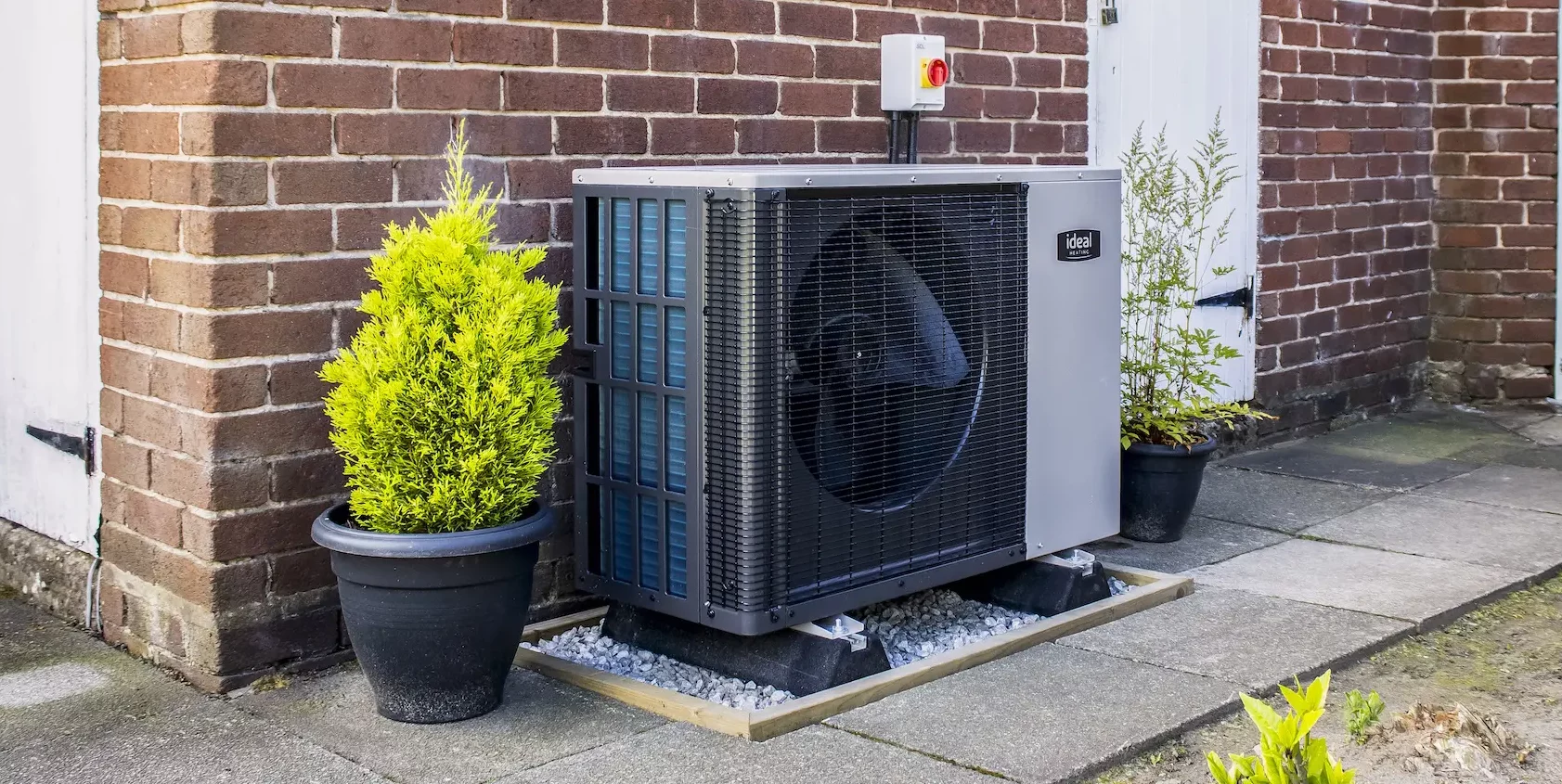
Oil or LPG Heating? You Could Get £9,000 Toward a Heat Pump
Written by: Gareth Whitehill
News
Read more
December 4th, 2025
ECO4 Ending: What’s Next?
Written by: Gareth Whitehill
News
Read more

September 15th, 2025
How long do solar batteries last? 5 tips to extend their lifespan
Written by: Gareth Whitehill
News