
Read more
October 12th, 2026
Heat Pump Subsidy Cut: What Homeowners Should Know
Written by: Gareth Whitehill
News
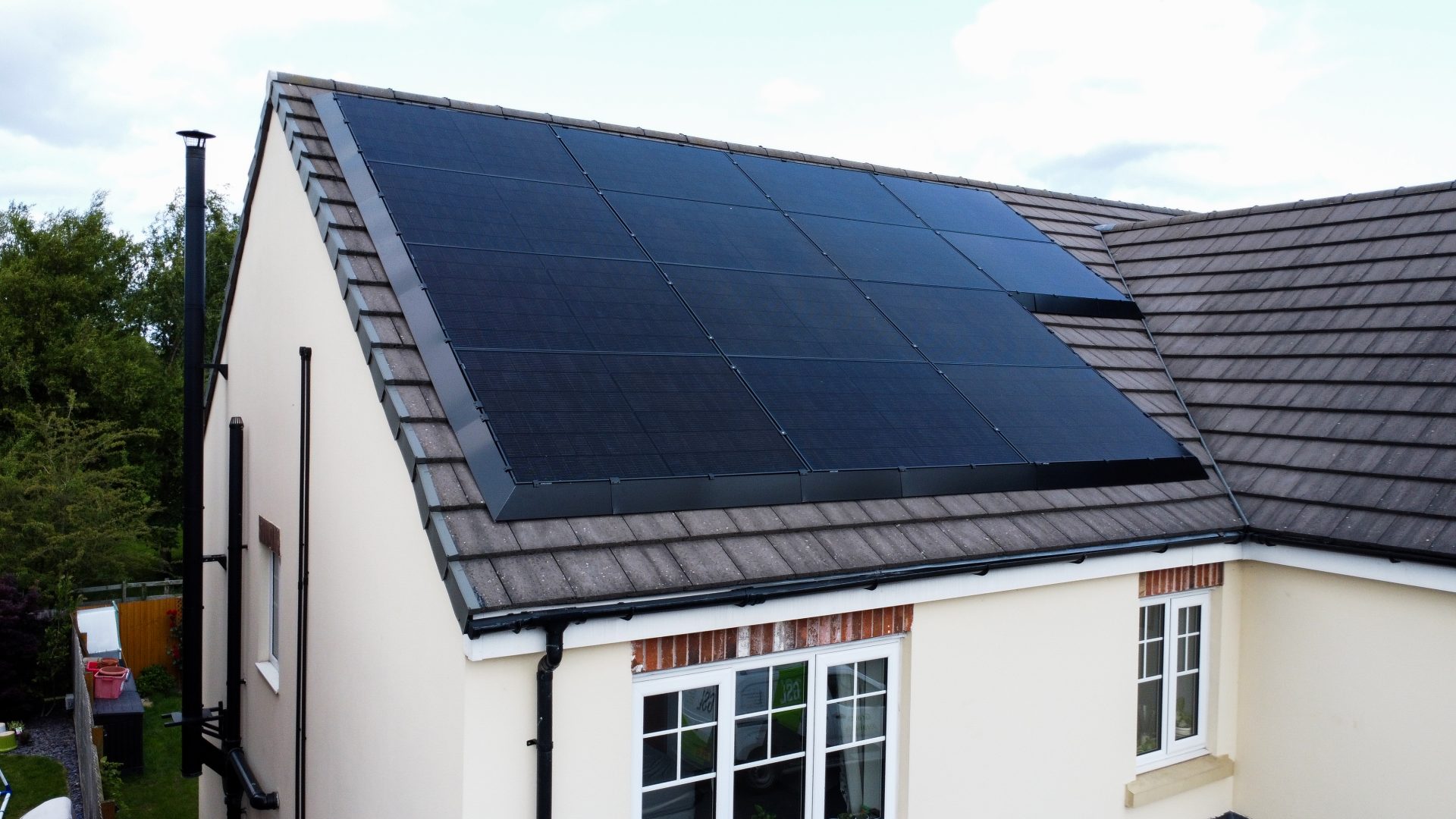
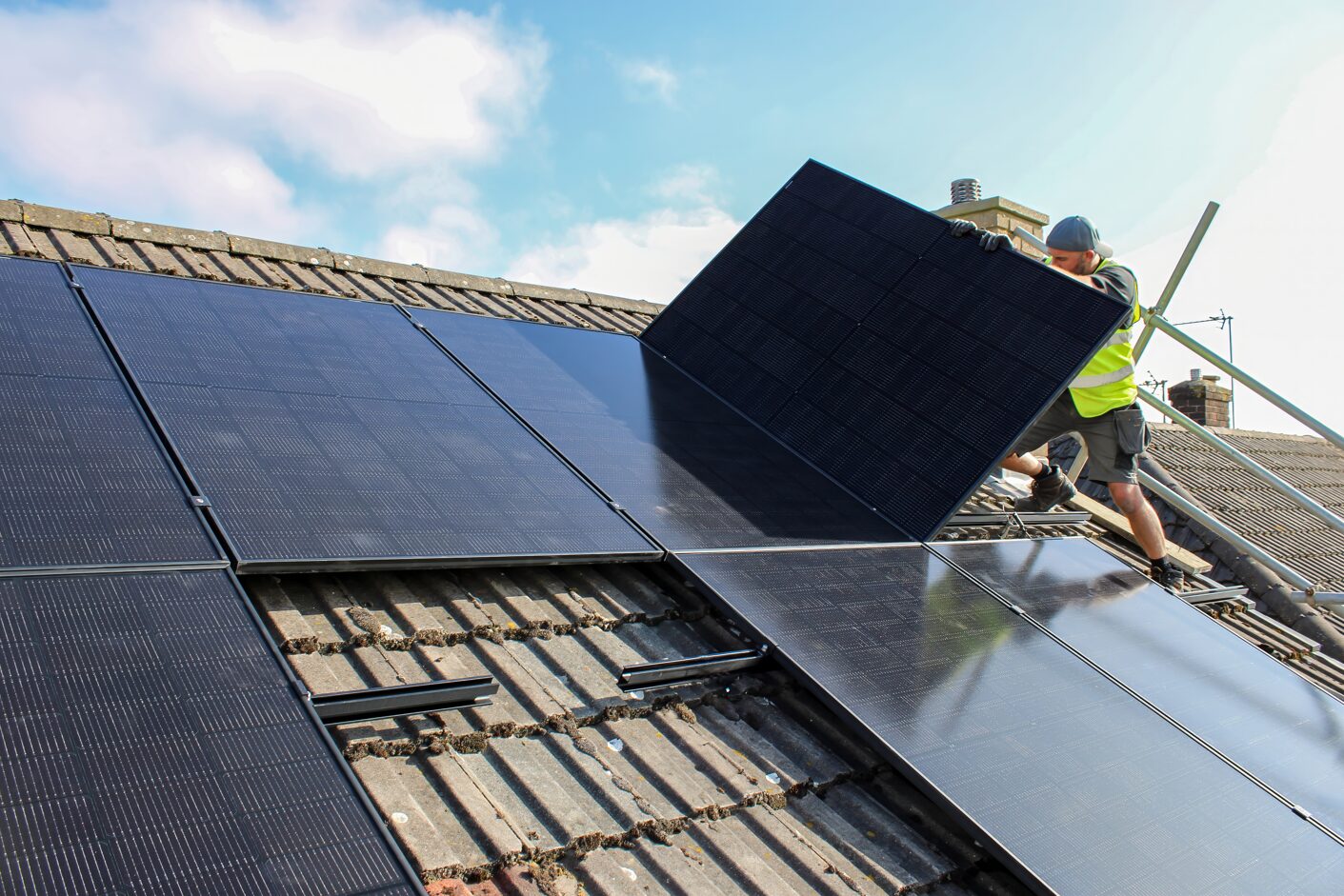
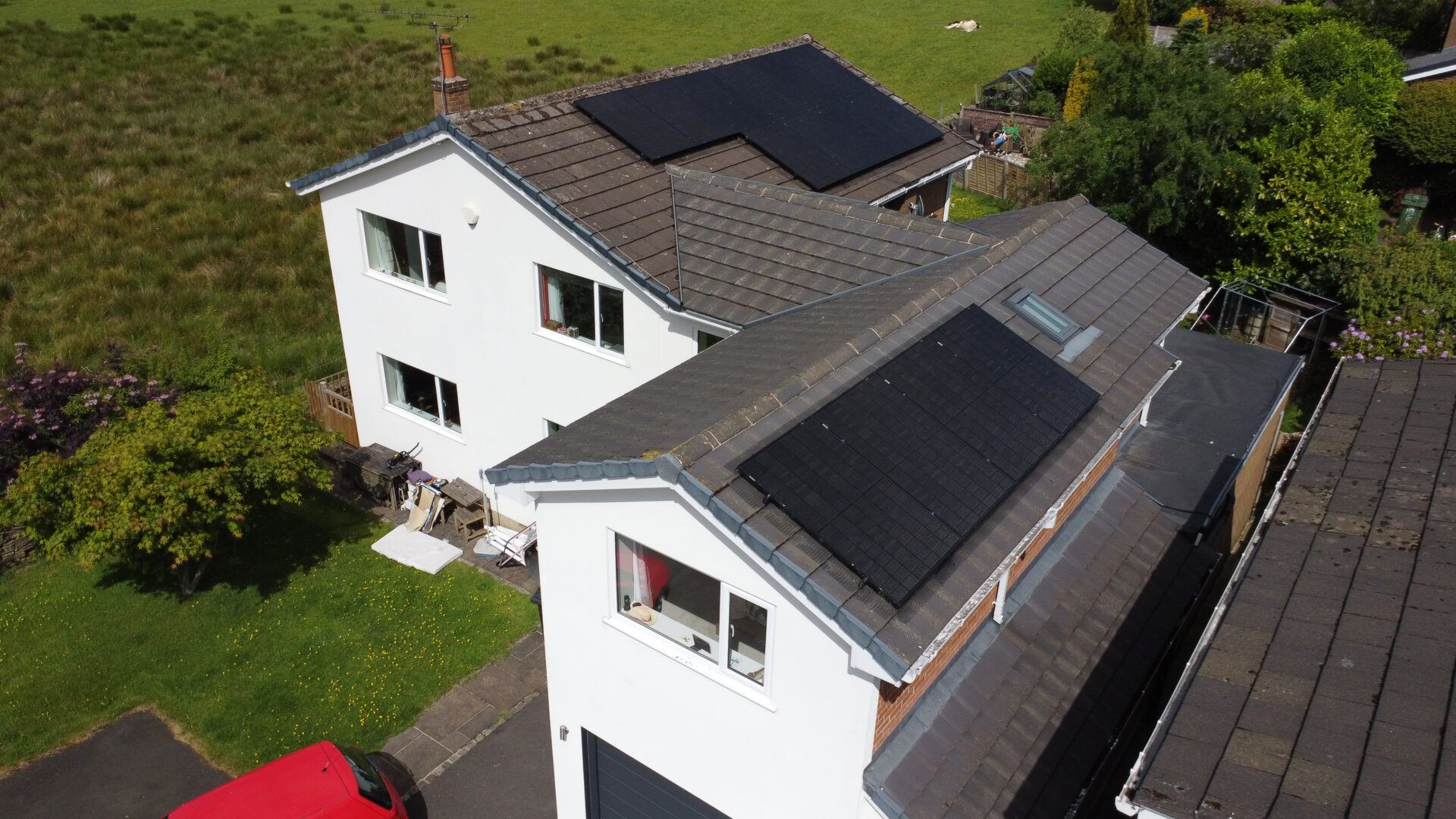
Solar panels are no longer a rare sight in the UK. In fact, more than 1.3 million homes now have them on their rooftops. And it’s easy to see why: a typical system can cut around a tonne of carbon each year, the same as driving over 3,600 miles.
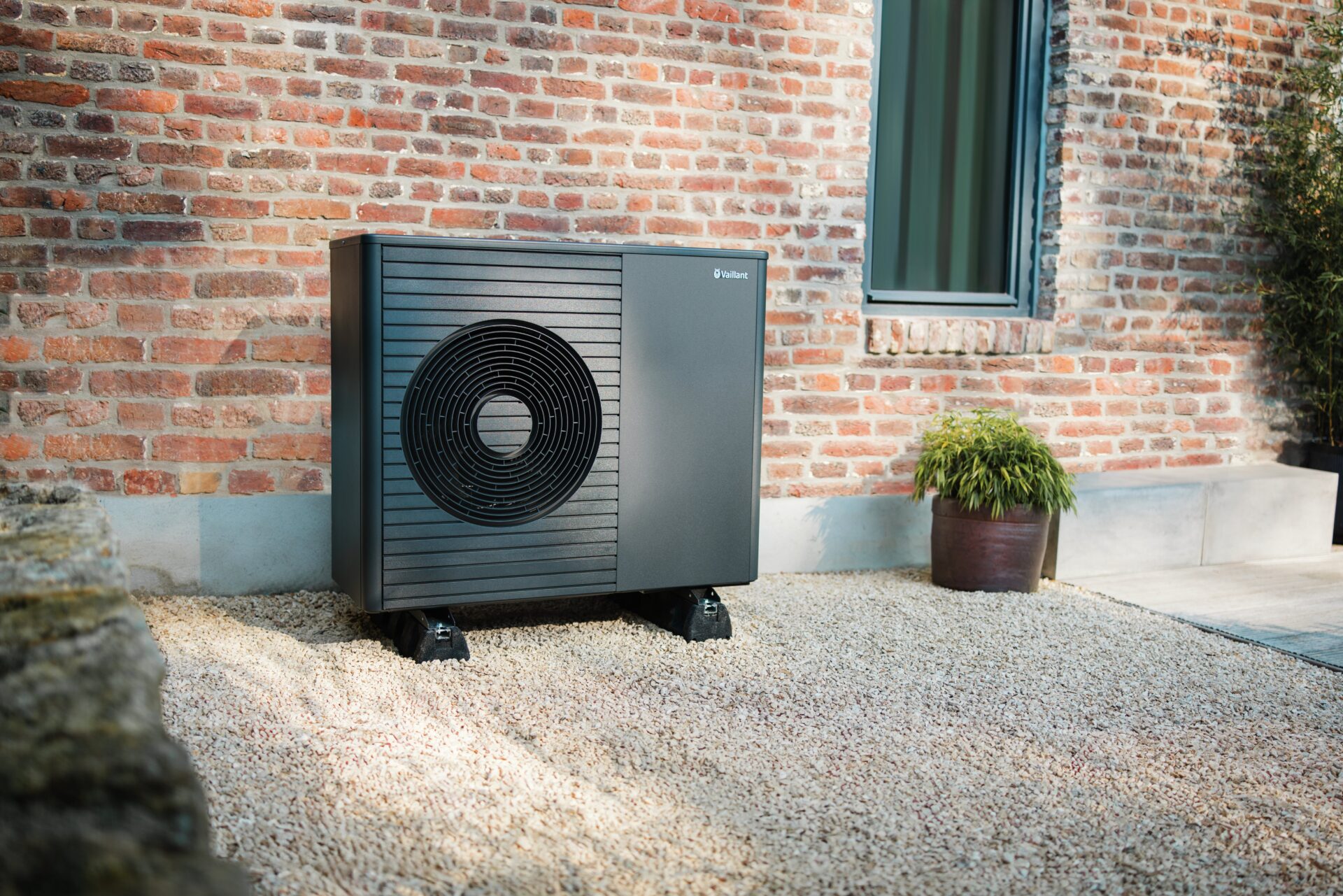
Heat pumps are also on the rise. They can deliver about three times more heat than the electricity they use, making them one of the most efficient ways to warm a home.
Put the two together, and you’ve got a system that’s greener, cheaper to run, and ready for the future. Let’s take a closer look at how these two technologies work side by side to help you save money and live more sustainably.
Jump to:
Yes, absolutely. Solar panels and air source heat pumps can complement each other perfectly in the right property. Solar panels produce electricity during the day, which can be used to power your heat pump. This means your heating and hot water can run largely on renewable energy, reducing the amount of electricity you need to buy from the grid. Even when your solar panels aren’t producing as much electricity, like in the winter or on cloudy days, your heat pump is an efficient way to heat your home.
Combining solar panels and heat pumps comes with a whole range of benefits, including:
Solar panels generate electricity as long as there’s daylight. This electricity can power your heat pump and your household appliances, so you rely less on grid energy. Even when solar production dips, your heat pump is still a cheaper, greener heating option than fossil fuel systems.
Both technologies are environmentally friendly. By using renewable energy instead of fossil fuels, you cut down your household’s carbon emissions and contribute to a cleaner future.
Adding a solar battery makes the system even stronger. You can store excess electricity produced in the day and use it in the evening or during periods of low solar output. That gives you greater control over your energy use and costs.
Here’s how solar panels and heat pumps could work together:
It’s important to note that solar panels won’t power your heat pump 24/7, especially in winter or at night. While a battery can extend the hours your solar energy covers, you’ll still need some electricity from the grid. The good news is that your heat pump is highly efficient, so even when it uses grid power, it consumes far less energy than a gas boiler or electric heating system.
Solar panels convert daylight into electricity through photovoltaic cells. When daylight hits these cells, it generates direct current (DC) electricity, which is then passed through an inverter, converting it into alternating current (AC) electricity.
This AC energy powers your home, giving you clean, low-cost electricity. With a solar battery, you can also store excess energy to use when it’s dark or when your panels aren’t producing as much.
Air source heat pumps warm your home by transferring heat from the outside air into your property, even when it feels cold outside. Using a refrigerant, they absorb heat, compress it to a higher temperature, and then release it indoors to provide heating and hot water.
They can also reverse the process, acting as a cooling system in summer. This makes them a versatile, efficient, and eco-friendly solution for year-round comfort.
Most homes in the UK can benefit from a solar and heat pump combination, but there are a few things to consider:
If you’re unsure, our MCS-certified team can carry out a free assessment to advise whether your property is a good fit. Just get in touch and we’ll be happy to help.
Combining solar panels with an air source heat pump is a smart choice if you’re looking to cut your costs and reduce your environmental impact.
If you’re ready to take the next step – or still have questions about how this pairing could transform your energy use – give us a call today.
We have over 50 years of experience helping people all over the UK cut their costs with energy-saving solutions. From solar panels and heat pump installations to new boilers and improved insulation, we have what you need.
Reach out today, and our experts will design and install a bespoke system just for you.
The exact number of solar panels you’ll need to power an air source heat pump depends on a few key things:
The total cost depends on the type of system you install, the size of your home, and whether you include extras like battery storage. While the upfront investment can be significant, support is available through schemes like the Boiler Upgrade Scheme and the Smart Export Guarantee, which can help lower costs and improve long-term savings.
No – a heat pump can operate on electricity from the grid without solar panels. However, pairing a heat pump with solar panels can make the system more efficient, reduce running costs, and further cut your carbon footprint.
Get a quote
Choose what you’d like a quote for and our expert team will be in touch with tailored recommendations and pricing.
Choose a quote type
Excellent 4.8 out of 5
Our blog
Read more
October 12th, 2026
Heat Pump Subsidy Cut: What Homeowners Should Know
Written by: Gareth Whitehill
News
Read more
October 12th, 2026
Solar Panel Planning Permission: Do You Need It?
Written by: Gareth Whitehill
News
Read more
October 12th, 2026
Solar Panel VAT: 0% Relief Ends 31 March 2027
Written by: Gareth Whitehill
News
Read more
October 7th, 2026
Energy Price Cap October 2026: What It Means for You
Written by: Gareth Whitehill
News
Read more
June 22nd, 2026
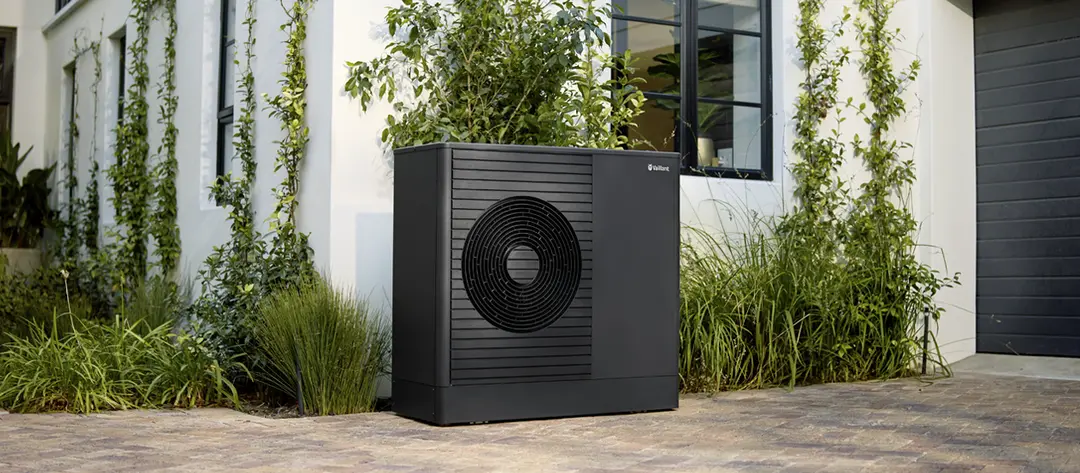
What the R290 Heat Pump Revolution Means for UK Homeowners
Written by: Gareth Whitehill
News
Read more
June 21st, 2026
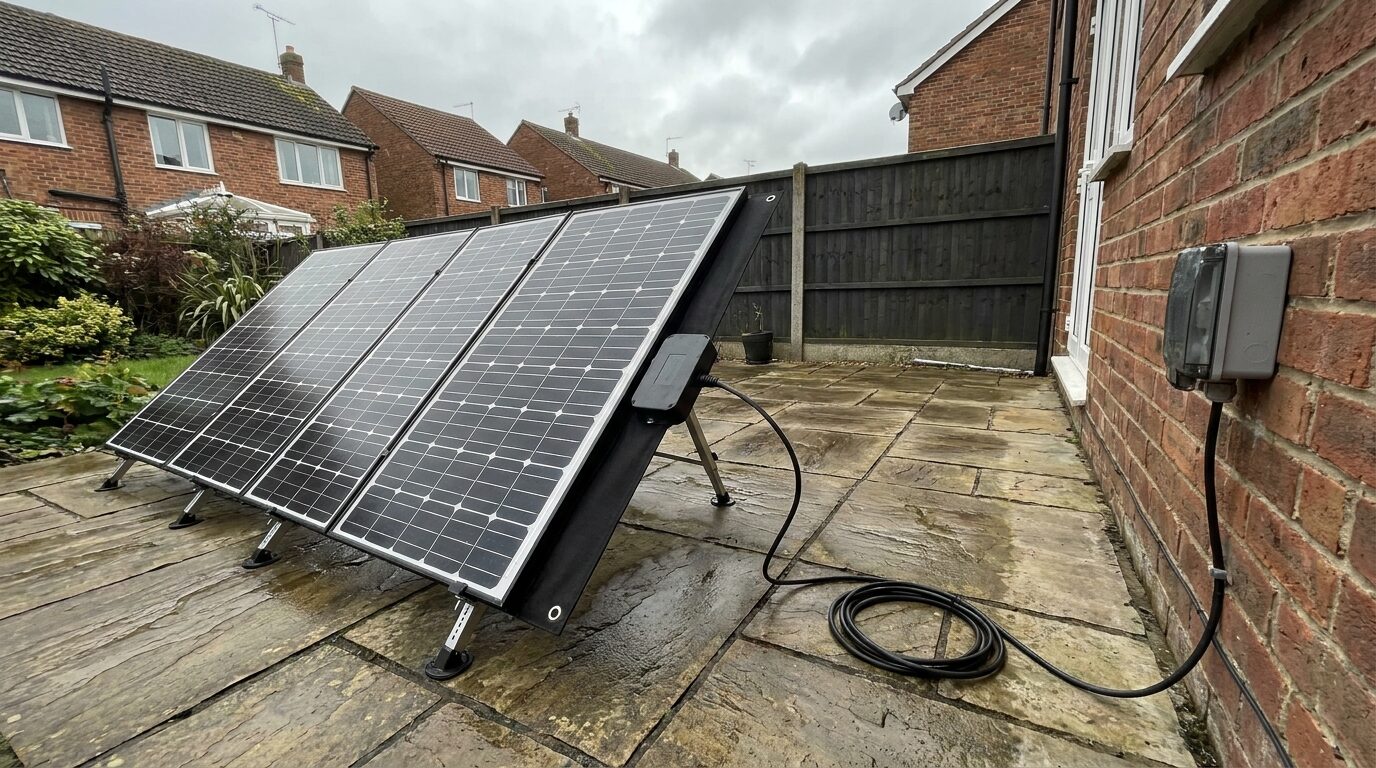
Plug-in solar panels UK — what they are vs rooftop solar
Written by: Gareth Whitehill
News
Read more
June 15th, 2026
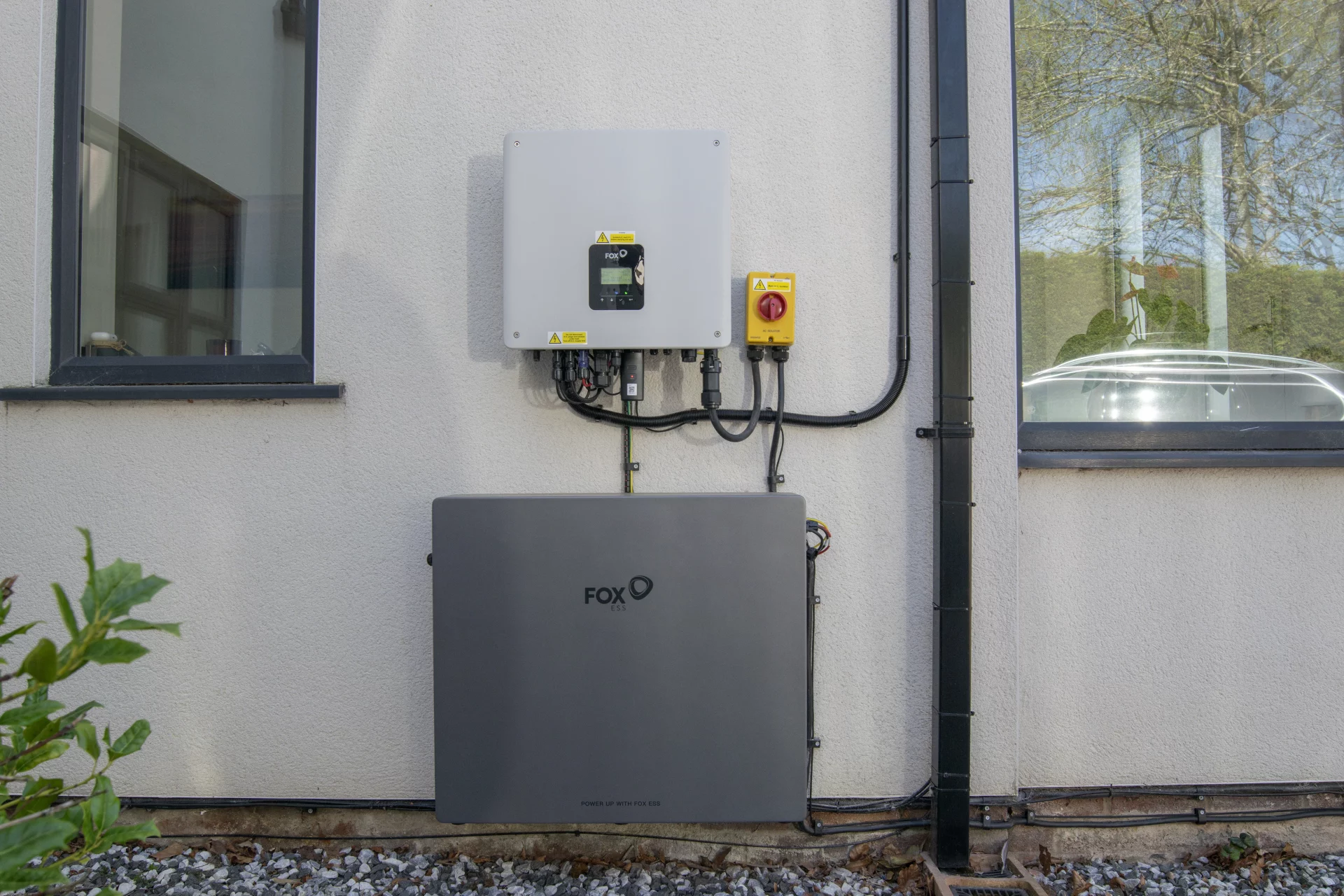
Community Battery Storage UK: What the Government’s New Plans Mean for Homeowners
Written by: Gareth Whitehill
News
Read more
June 12th, 2026
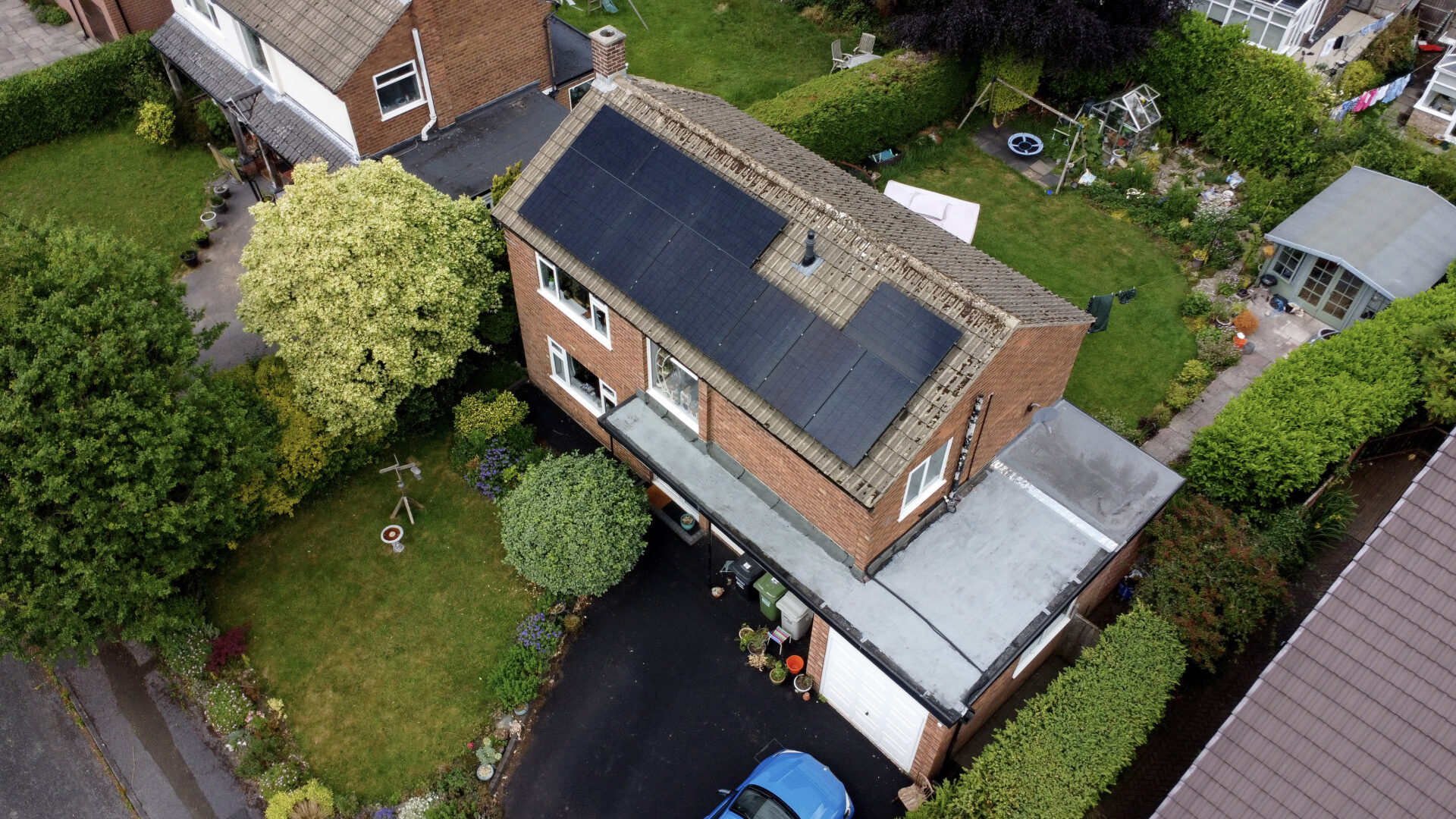
Electricity Prices Are Rising Again in July — Here’s What Solar and Battery Storage Can Do About It
Written by: Gareth Whitehill
News
Read more

June 10th, 2026
Solar Panels 2026: The UK Hits 2 Million Installations
Written by: Gareth Whitehill
News