

Read more

October 7th, 2026
Energy Price Cap October 2026: What It Means for You
Written by: Gareth Whitehill
News
Are rising energy bills making you rethink your heating options? You’re not alone. Traditional systems like gas boilers and electric heaters have been the go-to for years, but more people are now exploring heat pumps as a more efficient and eco-friendly solution.
In this guide, we’ll compare costs, efficiency, and environmental impact to help you decide which heating system suits your home and budget.
Key takeaways
Traditional systems, like gas and oil boilers, burn fuel to create heat, which is then circulated through your home. These systems are dependable but rely on fossil fuels, which can drive up energy bills and pump out more carbon emissions.
Electric heaters work differently, converting electricity directly into heat. While they’re simple to use, they often use a lot of energy compared to the amount of heat they provide, which can make them pricey to run.
Heat pumps take a different approach. Instead of creating heat, they move it from one place to another:
Because they’re just transferring heat, not generating it, heat pumps use a lot less energy – making them an efficient and eco-friendly option.
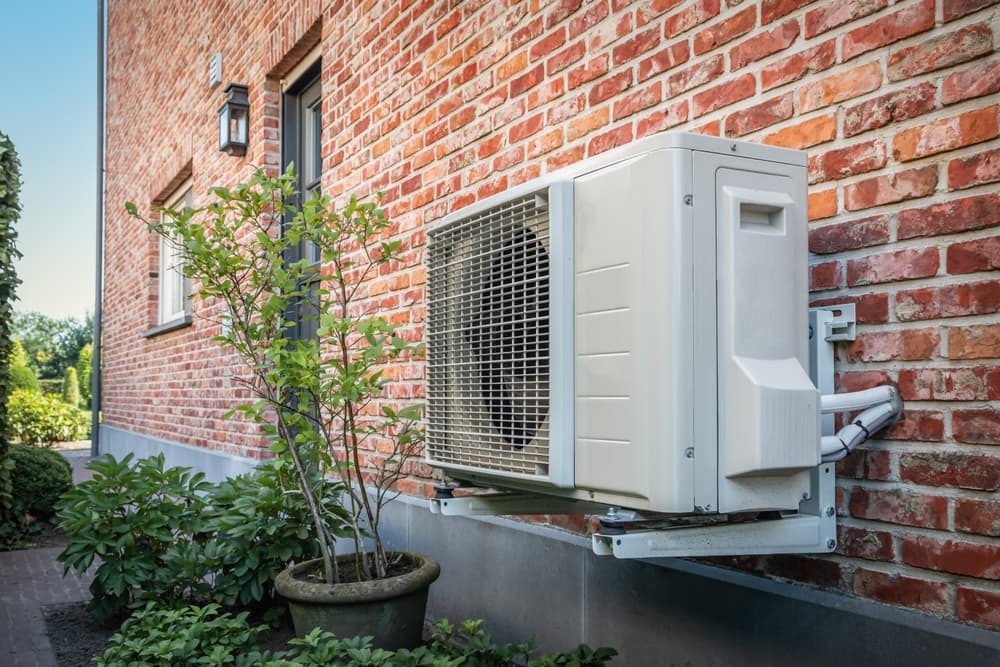
Heat pumps usually cost more to install than traditional systems because the setup can be more specialised. Ground source heat pumps, for example, need outdoor space and extra work to install the underground loops, while air source heat pumps are generally cheaper to install.
For a custom quote on an air source heat pump for your home, try our free online quote calculator today!
Once they’re up and running, heat pumps can save you money on energy bills. They rely on renewable energy, which means you’re not as affected by rising fuel prices. Traditional systems, on the other hand, run on gas, oil, or electricity, so costs can shoot up when energy prices spike.
The average running cost for a heat pump depends on things like:
There are heat pump grants and schemes, like the Boiler Upgrade Scheme, that can make switching to a heat pump easier on your wallet. Call our team today to check your eligibility.
Gas and oil boilers need servicing once a year to keep them running safely and efficiently. Regular maintenance helps spot issues early and makes sure the system is performing well, but over time, parts may wear out and need replacing. Electric heaters are simpler but can still benefit from occasional checks.
Heat pumps also need annual servicing to make sure they’re working efficiently. A professional inspection can check for things like refrigerant levels, leaks, or blockages. You’ll also need to keep the outdoor units clear of leaves, snow, or other debris to maintain their performance.
Heat pumps are in a league of their own when it comes to efficiency. On average, they produce about three times the energy they use. Here’s how they stack up:
This means heat pumps use much less energy to keep your home warm, helping you save on bills and reduce your environmental impact.
If you’re aiming to go green, heat pumps are the clear winner. Instead of burning fossil fuels like gas or oil boilers, they use renewable energy from the air or ground. This helps cut down on emissions and makes your home heating more sustainable. Switching to a heat pump is a small step that can make a big difference for the planet.
The best heating system for you depends on your priorities:
Air source heat pumps are a fantastic option if you’re looking to lower energy bills, shrink your carbon footprint, and keep your home warm year-round without the hassle. With a compact outdoor unit that’s easy to fit and heat pump grants available, the upgrade is now more affordable and accessible than ever.
If you’re ready to upgrade to a cleaner, more efficient heating system, we’re here to help. Just give us a call to get started today.
Get a quote
Choose what you’d like a quote for and our expert team will be in touch with tailored recommendations and pricing.
Choose a quote type
Excellent 4.8 out of 5
Our blog
Read more
October 7th, 2026
Energy Price Cap October 2026: What It Means for You
Written by: Gareth Whitehill
News
Read more
June 22nd, 2026
What the R290 Heat Pump Revolution Means for UK Homeowners
Written by: Gareth Whitehill
News
Read more
June 21st, 2026
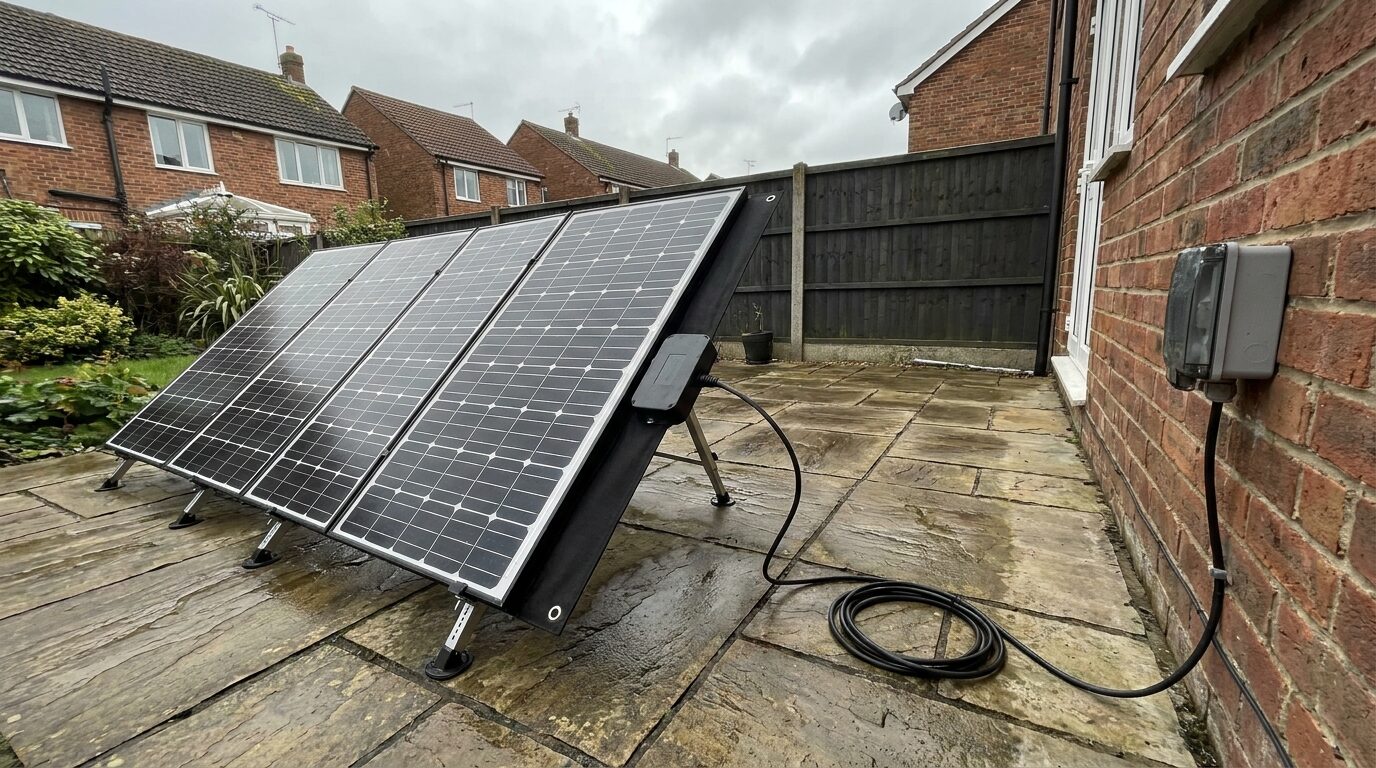
Plug-in solar panels UK — what they are vs rooftop solar
Written by: Gareth Whitehill
News
Read more
June 15th, 2026
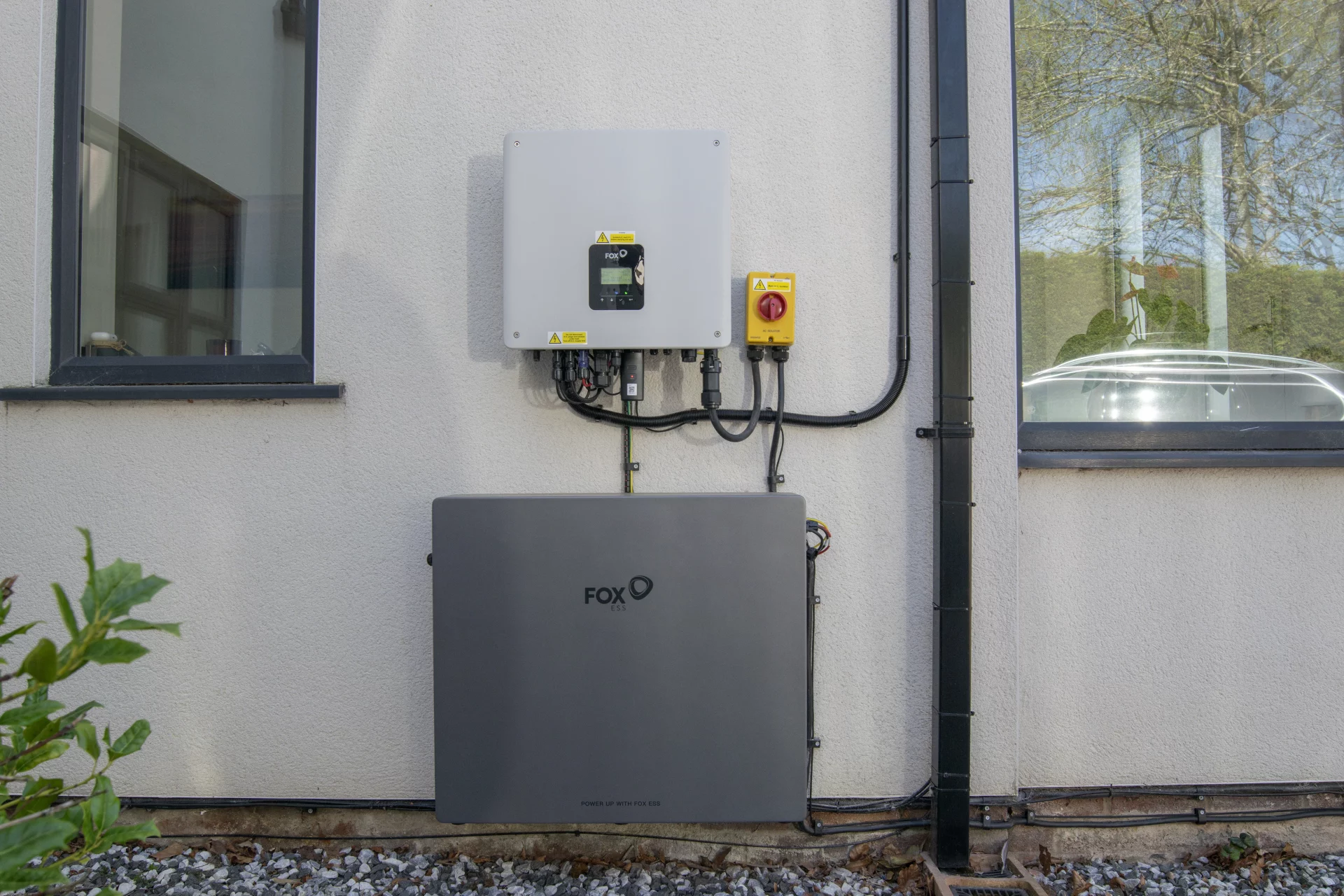
Community Battery Storage UK: What the Government’s New Plans Mean for Homeowners
Written by: Gareth Whitehill
News
Read more
June 12th, 2026
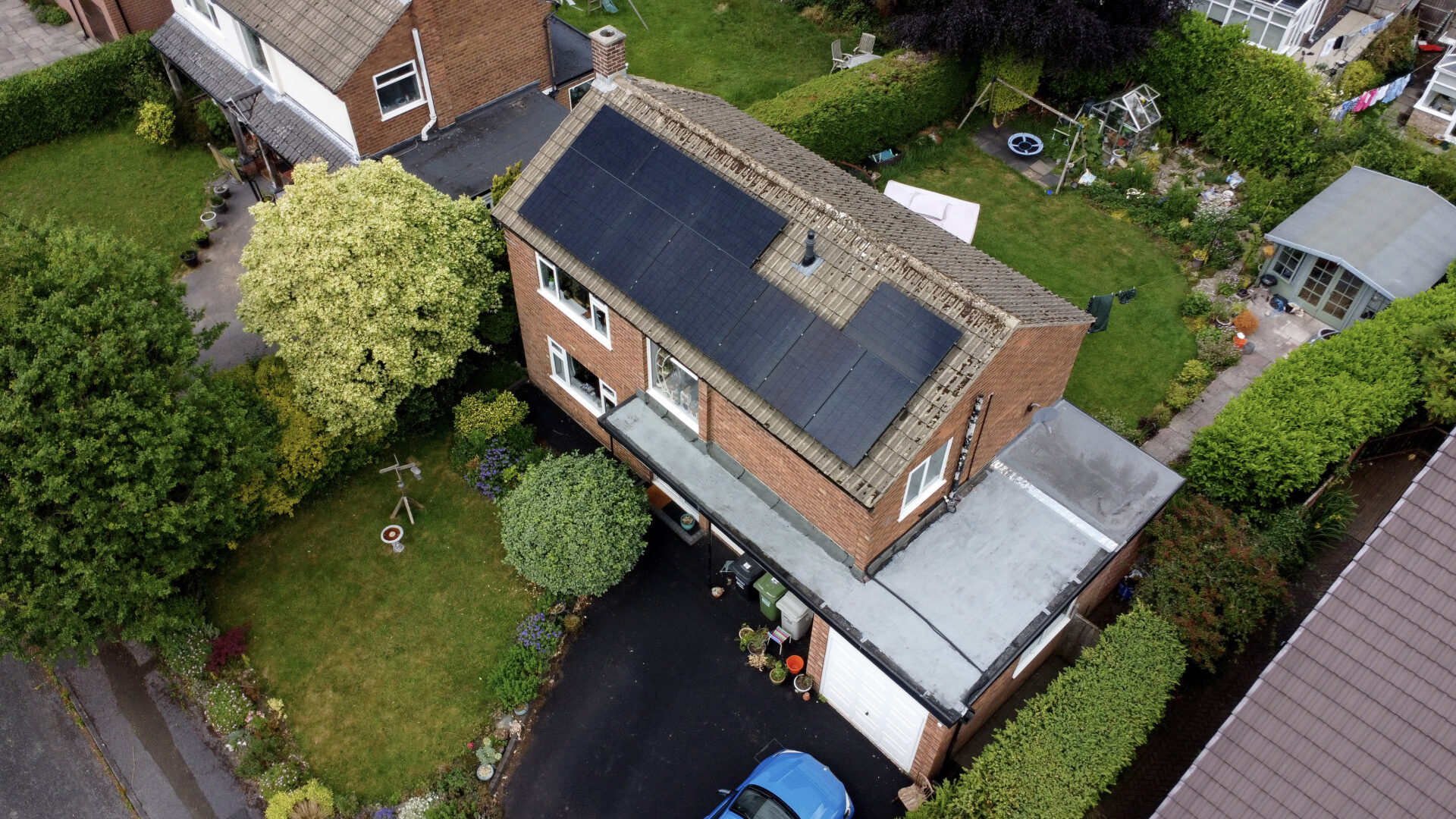
Electricity Prices Are Rising Again in July — Here’s What Solar and Battery Storage Can Do About It
Written by: Gareth Whitehill
News
Read more

June 10th, 2026
Solar Panels 2026: The UK Hits 2 Million Installations
Written by: Gareth Whitehill
News
Read more
June 9th, 2026
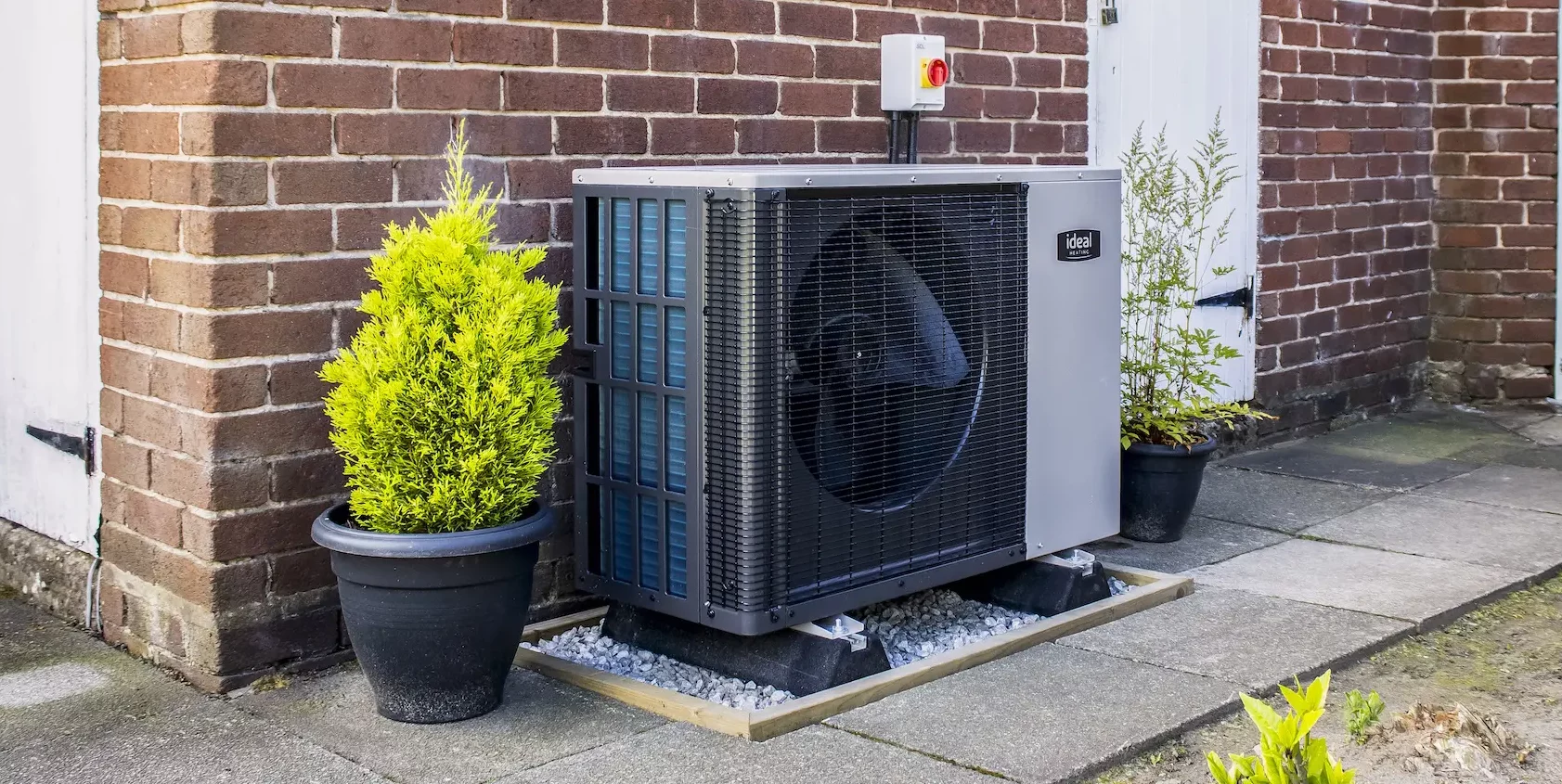
Oil or LPG Heating? You Could Get £9,000 Toward a Heat Pump
Written by: Gareth Whitehill
News
Read more

December 4th, 2025
ECO4 Ending: What’s Next?
Written by: Gareth Whitehill
News
Read more

September 15th, 2025
How long do solar batteries last? 5 tips to extend their lifespan
Written by: Gareth Whitehill
News