
Read more
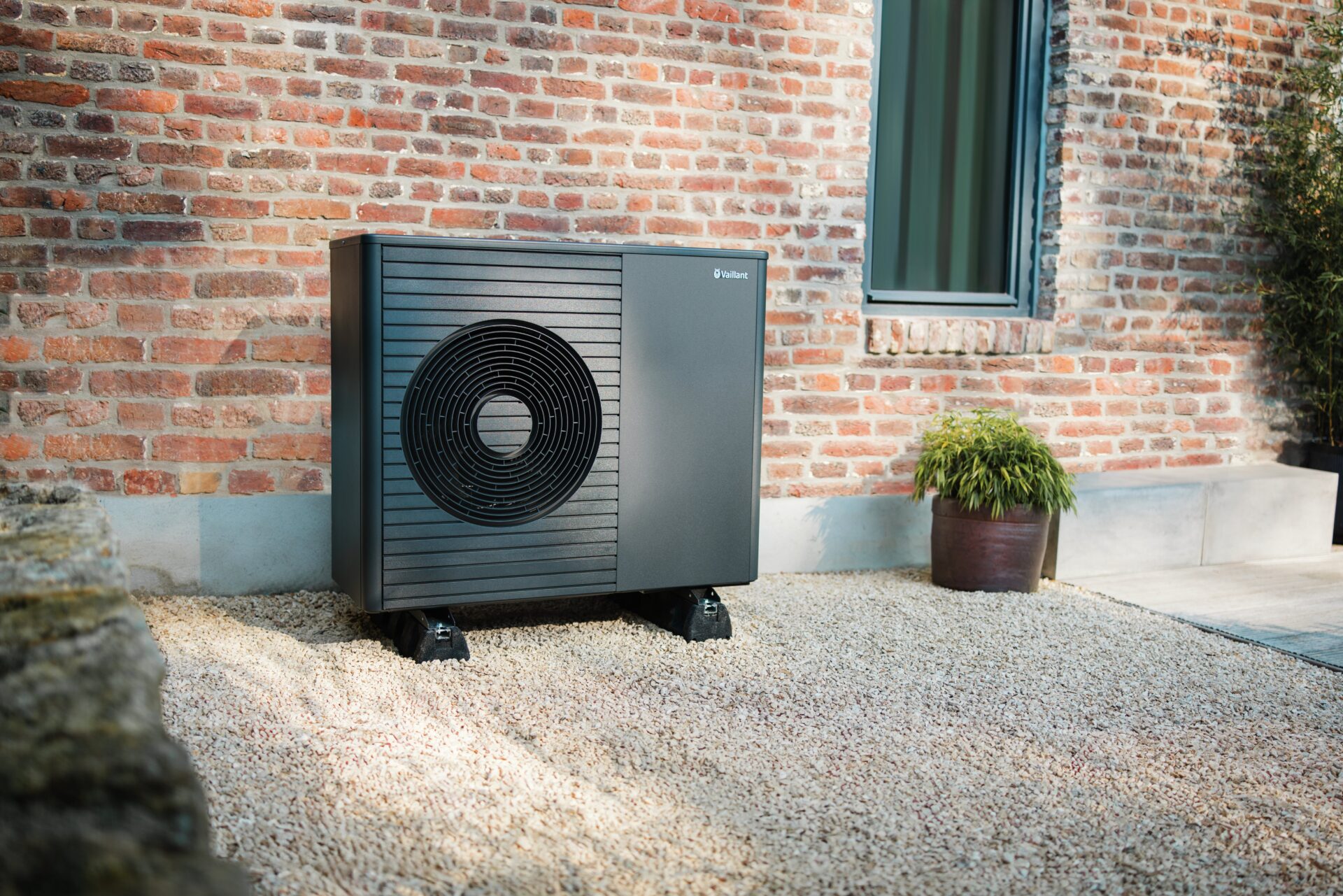
October 12th, 2026
Heat Pump Subsidy Cut: What Homeowners Should Know
Written by: Gareth Whitehill
News
Have you ever snuggled up under a pile of blankets on a chilly evening just to feel a draught whistle through the walls? Draughty homes are a common struggle, especially in older houses.
But what if there was a way to keep your home warm and cosy without breaking the bank or harming the character of your older property? Insulation might be the answer you’ve been looking for!
This guide will walk you through everything you need to know about insulating your older house, so you’ll feel confident about taking the next best step for your property. Let’s take a look.
Key Takeaways
Let’s face it: nobody enjoys shivering in their own home! Draughty older houses can be a real challenge, especially when winter rolls around. But the good news is insulation can be a simple and effective fix. Here’s why it is worth insulating your older house:
Insulation traps precious heat inside and keeps cold air out. This reduces the work your heating system does, which can save you money on heating costs.
No more battling draughts and feeling chilly even when the heating is cranked up. Proper insulation helps maintain a consistent and comfortable temperature throughout your home, making it easy to relax and unwind after a long day.
By using less energy to heat your home, you’ll be doing your part for the environment. Lower heating demands mean less reliance on fossil fuels, which contributes to a smaller carbon footprint.
Knowing the ins and outs of your home means you can be sure you’re making the right insulation choice. There’s no one-size-fits-all solution, so a little investigation can make a big difference in creating a warm, comfortable, and energy-efficient home.
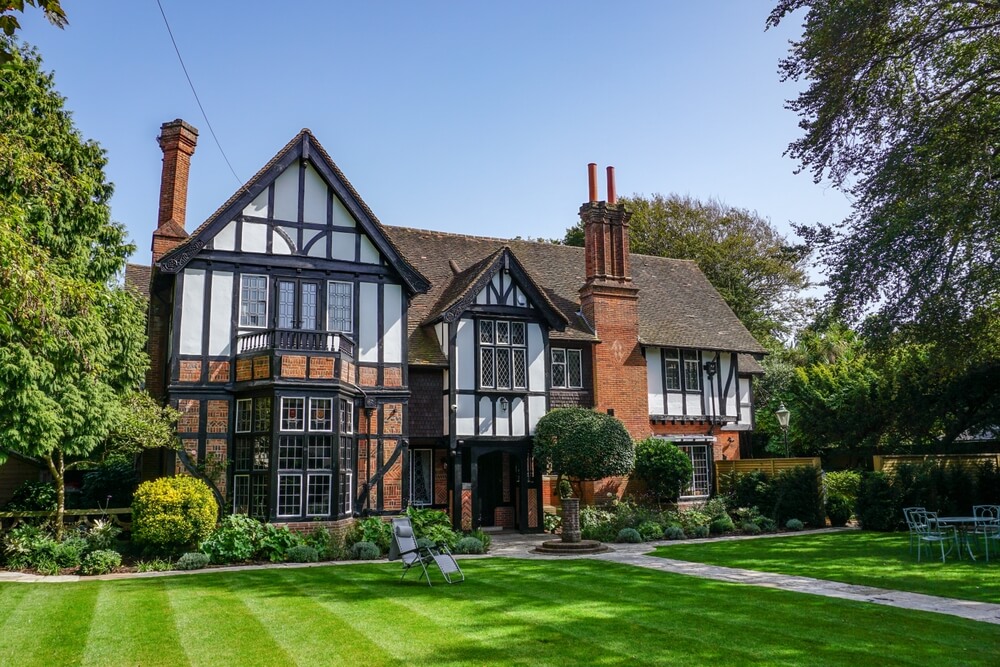
Most houses built before the 1920s are likely to have solid walls, which means there is no air gap in the middle. These walls benefit from internal wall insulation installed on the inside of the exterior walls. On the other hand, houses built after the 1920s typically have cavity walls with a space between the inner and outer walls. These walls can often be insulated using cavity wall insulation, a material injected into the space.
The materials your house is built with can also influence your insulation choices. Brick and stone are common for external walls, and they can be insulated effectively using either internal or external wall insulation (depending on your wall type).
Timber frame construction is another possibility, and these walls often benefit from cavity wall insulation if they have one or internal insulation for solid timber walls. Timber floors are another area that can be addressed with specific insulation solutions.
Breathability is an important factor when choosing insulation for your older house, as you’ll need the right amount of ventilation to let condensation escape. Choosing insulation materials that allow for continued breathability is really important, preventing moisture buildup and potential damp problems or health risks.
Alongside cavity and solid wall insulation, there are different types of insulation suited for specific areas of your home:
Upgrading your older house with insulation can be a fantastic investment, but the initial cost might seem unachievable. The good news is that financial help might be available to make your project more affordable!
Here are two government schemes in the UK that you could be eligible for:
The ECO4 scheme can provide financial support for a variety of energy-saving measures, including various types of insulation. Not sure if you qualify? Give us a call, and we’ll find out if you can claim an ECO4 insulation grant, help you apply, and manage the full installation.
This scheme specifically targets the least energy-efficient homes in the country. If your house has an Energy Performance Certificate (EPC) rating of D-G and falls within specific council tax bands, you might be eligible for support to install insulation, even if you don’t qualify for benefits. We’ll help you figure out if you’re eligible; just give us a call.
Not sure what type of insulation you need or which type of walls your home has?
With years of hands-on experience, no-nonsense communication and fully qualified installers, we’ll make sure your property gets exactly what it needs.
So whether you’re ready to book your home’s insulation installation, have some questions about insulation types or need help applying for an insulation grant, we’re the experts you can trust. Just give us a call to get started.
Get a quote
Choose what you’d like a quote for and our expert team will be in touch with tailored recommendations and pricing.
Choose a quote type
Excellent 4.8 out of 5
Our blog
Read more
October 12th, 2026
Heat Pump Subsidy Cut: What Homeowners Should Know
Written by: Gareth Whitehill
News
Read more
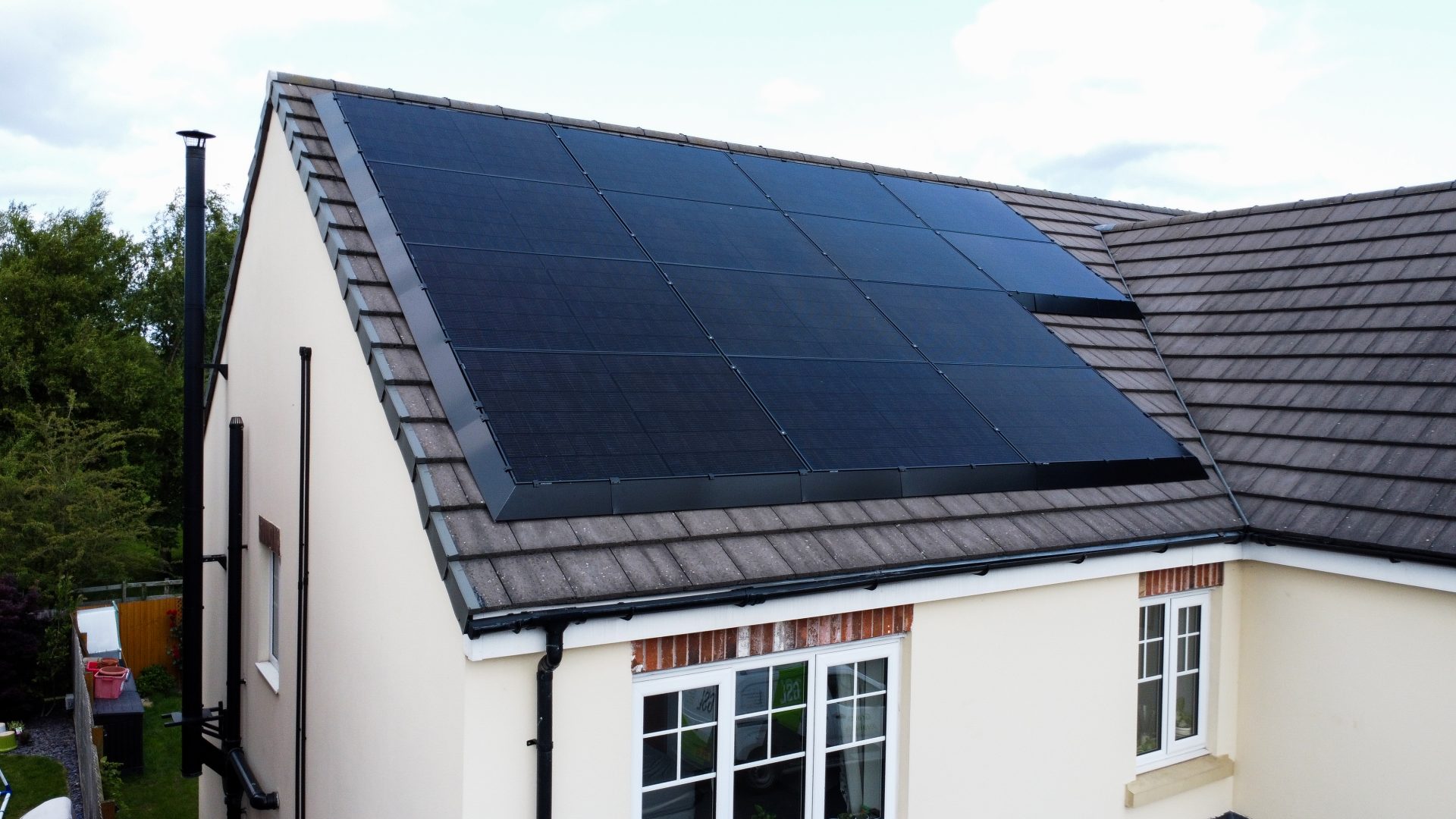
October 12th, 2026
Solar Panel Planning Permission: Do You Need It?
Written by: Gareth Whitehill
News
Read more
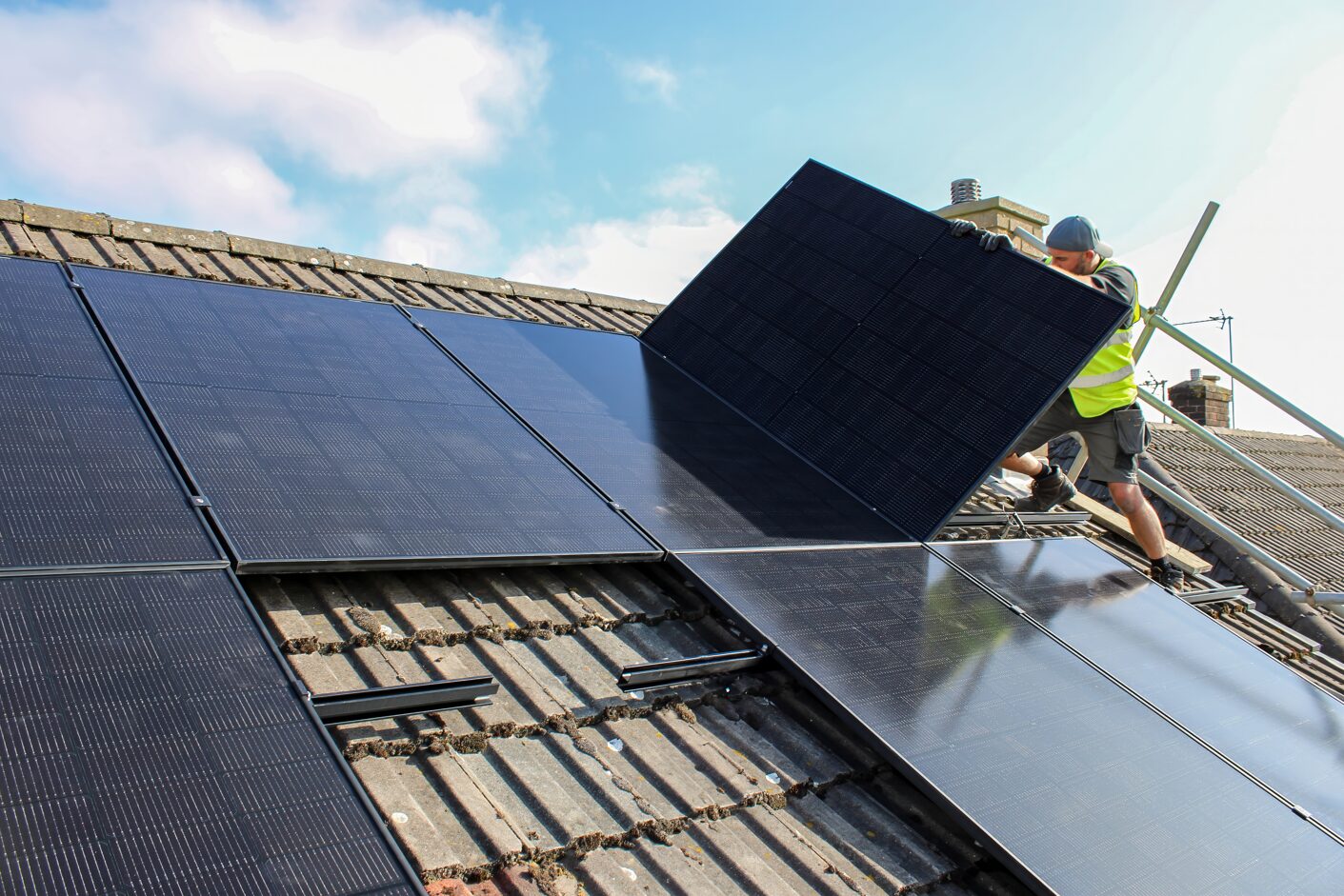
October 12th, 2026
Solar Panel VAT: 0% Relief Ends 31 March 2027
Written by: Gareth Whitehill
News
Read more
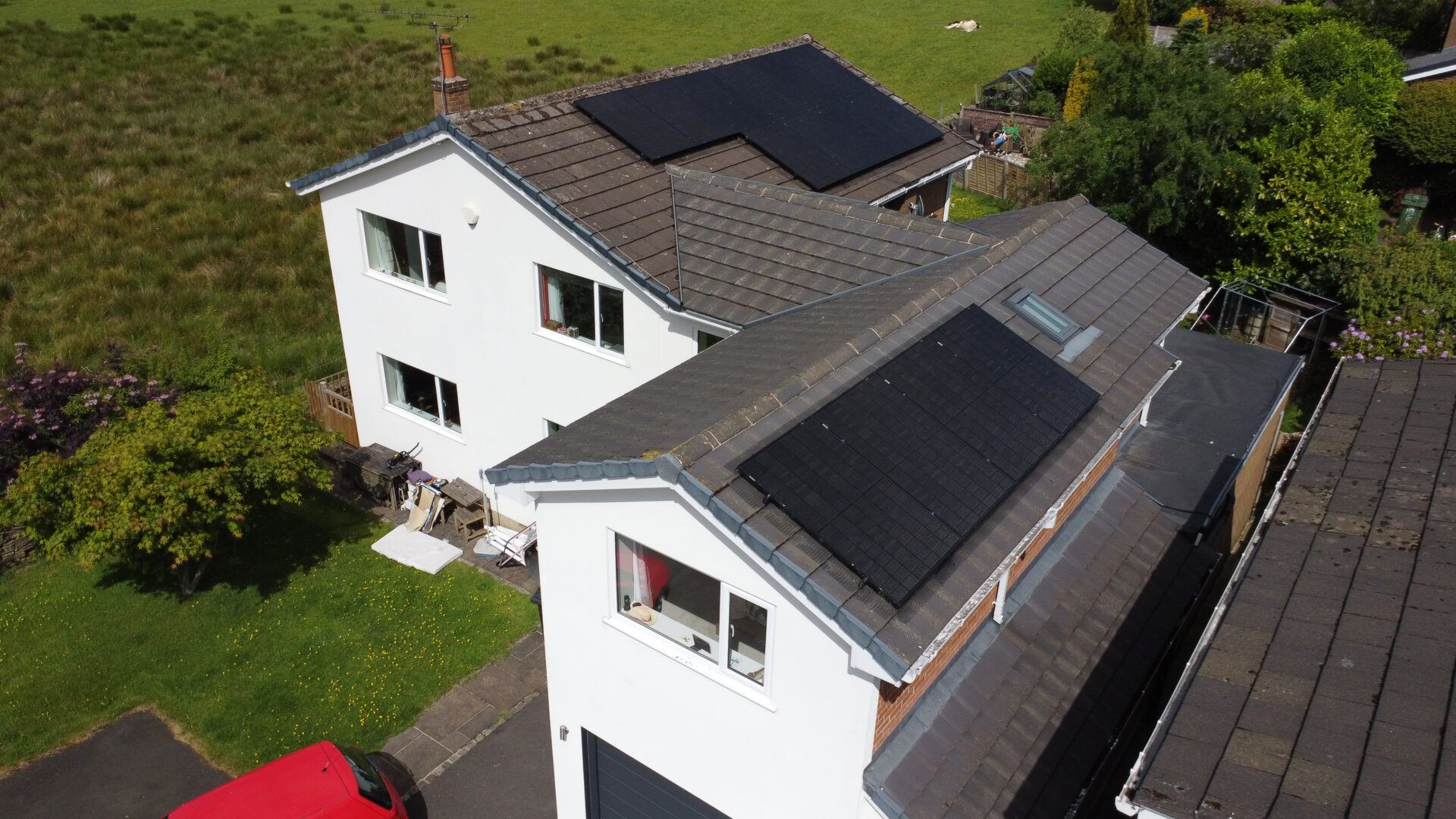
October 7th, 2026
Energy Price Cap October 2026: What It Means for You
Written by: Gareth Whitehill
News
Read more
June 22nd, 2026
What the R290 Heat Pump Revolution Means for UK Homeowners
Written by: Gareth Whitehill
News
Read more
June 21st, 2026
Plug-in solar panels UK — what they are vs rooftop solar
Written by: Gareth Whitehill
News
Read more
June 15th, 2026
Community Battery Storage UK: What the Government’s New Plans Mean for Homeowners
Written by: Gareth Whitehill
News
Read more
June 12th, 2026
Electricity Prices Are Rising Again in July — Here’s What Solar and Battery Storage Can Do About It
Written by: Gareth Whitehill
News
Read more

June 10th, 2026
Solar Panels 2026: The UK Hits 2 Million Installations
Written by: Gareth Whitehill
News